
Approximately 10 percent of children in the U.S. are diagnosed with ADHD and more than 90 percent of them are prescribed stimulant medication as the main form of treatment in school settings because most physicians believe that medication will result in better academic achievement.
“Physicians and educators have held the belief that medication helps children with ADHD learn because they complete more seatwork and spend more time on-task when medicated,” said William E. Pelham, Jr., senior author of the study and director at the Center for Children and Families. “Unfortunately, we found that medication had no impact on learning of actual curriculum content.”
Researchers evaluated 173 children between the ages of 7 and 12 with ADHD participating in the center’s Summer Treatment Program, a comprehensive eight-week summer camp program for children with ADHD and related behavioral, emotional and learning challenges.
Children completed two consecutive phases of daily, 25-minute instruction in vocabulary and subject-area content in science and social studies. The instruction provided to each student during the three-week phases was at their determined grade level. Certified teachers and aides taught the material to groups of 10-14 children in a classroom setting.
Each child was randomized to be medicated with a sustained-release stimulant medication during either the first or second of the instructional phases, receiving a placebo during the other.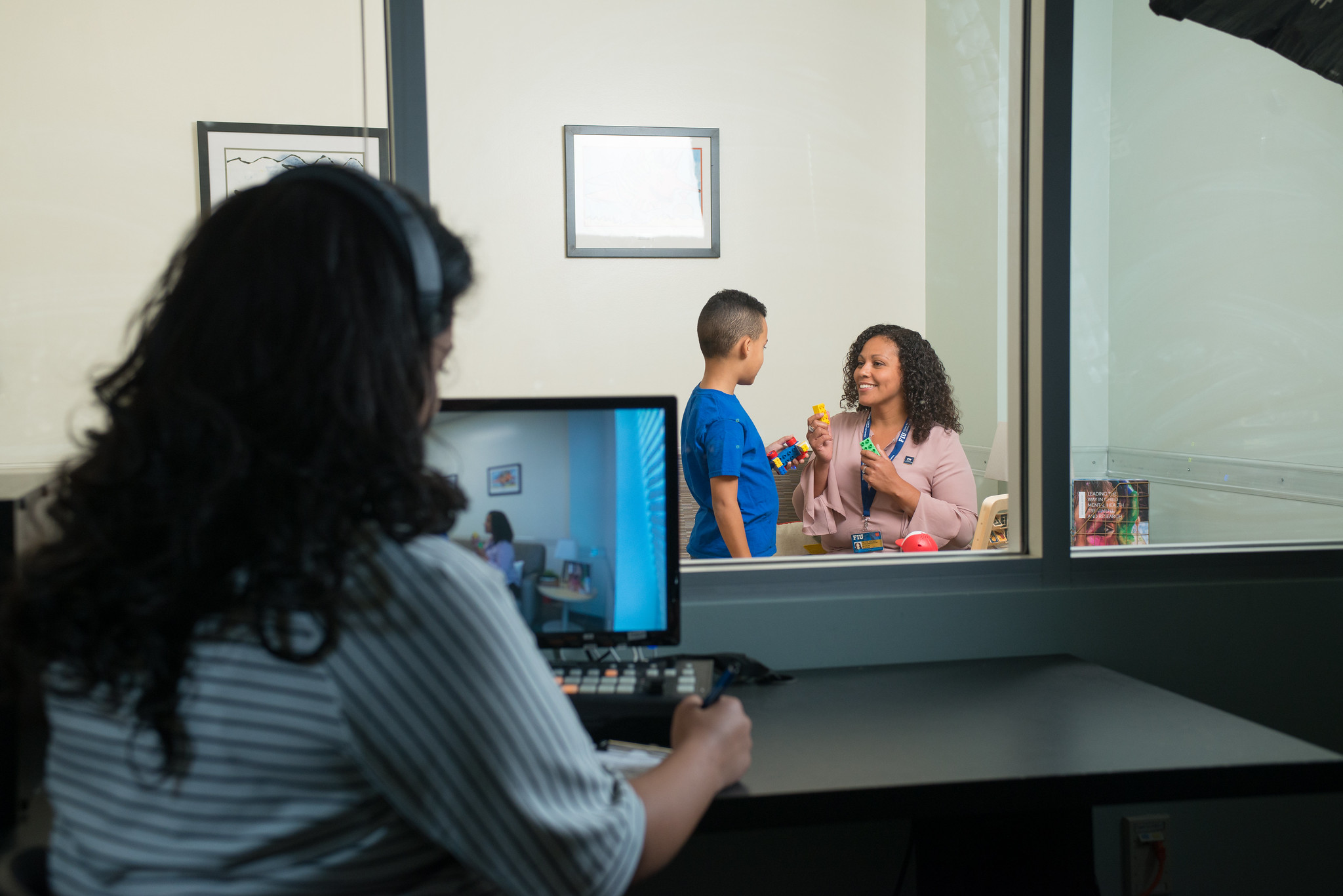
Contrary to expectations, researchers found that children learned the same amount of science, social studies, and vocabulary content whether they were taking the medication or the placebo.
While medication did not improve learning, the study showed that medication helped children complete more seatwork and improve their classroom behavior, as expected. When taking medication, children completed 37 percent more arithmetic problems per minute and committed 53 percent fewer classroom rule violations per hour.
Additionally, consistent with previous studies, researchers found that medication slightly helped to improve test scores when medication is taken on the day of a test, but not enough to boost most children’s grades. For example, medication helped children increase on average 1.7 percentage points out of 100 on science and social studies tests.
Improving academic achievement is important for children with ADHD because compared to their peers, children with ADHD exhibit more off-task classroom behavior, receive lower grades, and obtain lower scores on tests. They also are more likely to receive special education services, be retained for a grade and drop out before graduation. Poor academic achievement is one of the most debilitating impairments associated with ADHD, often leading to the long-term vocational and financial difficulties that characterize ADHD in adulthood.
Previous research conducted by Pelham, an ADHD research and treatment pioneer, has found that behavioral therapy — when used first — is less expensive and more effective in treating children with ADHD than medication. Stimulants are most effective as a supplemental, second-line treatment option for those who need it and at lower doses than typically prescribed. Additionally, the Society for Developmental and Behavioral Pediatrics (SDBP) has published new clinical guidelines that strongly recommend behavioral intervention as the first-line treatment for youth with ADHD.
“Our research has found time and time again that behavioral intervention is best for children with ADHD because they, their teachers, and their parents learn skills and strategies that will help them succeed at school, at home and in relationships long-term,” said Pelham. “Medicating our children doesn’t solve the problem—it only takes away the symptoms temporarily. Instead, families should focus on behavioral interventions first and add medication only if needed.”
Behavioral and academic interventions that meaningfully improve functional impairment long-term for youth with ADHD include parent training and classroom-based management tools like a daily report card, and school services specific to academic achievement such as 504 plans [accommodations provided under Section 504 of the Rehabilitation Act of 1973] and special education individualized education plans (IEPs).
Researchers note that the study was conducted in a controlled summer school-like environment and results may be different in a regular classroom setting. They would like to replicate this study in a natural classroom environment using academic curricula over the duration of a school year to further evaluate the impact of medication on learning.
This study was published in the Journal of Consulting and Clinical Psychology and was funded by the National Institute on Mental Health.
________________________________________________
Video transcript
For many decades, stimulant medication was the first-line intervention for ADHD. In fact, it continues to be the most widely used intervention for childhood ADHD. More recently, however, a combined treatment approach which incorporates behavioral intervention into a child's treatment is becoming more common. What our studies suggest is that, in fact, behavioral intervention should be the first line of treatment for childhood ADHD, and then medication should be added if needed.
Our study focused on comparing a child's outcome based on how they started treatment. We randomly assigned children — like flipping a coin — to start with behavioral intervention alone, or behavioral intervention in addition to a low dose of stimulant medication. After a few weeks, we removed the stimulant medication and we looked at children's behavior. What we wanted to see next is whether the way in which children started their treatment impacted their behavior outcome.
What we were most shocked to find is that children who started on combined treatment, and then medication was withdrawn, had worse behavior than children who started with behavioral intervention alone. What we think is happening is that by combining medication with behavioral intervention, the medication is reducing the opportunity for a child to learn from their mistakes and behavior. It also reduces the opportunity for teachers and parents to teach a child how to self-correct their own behavior.
Medication and behavioral intervention, although they're both equally effective in treating childhood ADHD, work in different ways. Medication is very good at managing symptoms right away and somewhat reducing those symptoms, or eliminating them altogether, when the medication is working in the body. Behavioral intervention is much different — it teaches parents and teachers how to manage the child's behavior, and over time a child learns how to self-regulate and how to manage their behaviors.
At our Center for Children and Families, we welcome many families who are really trying to navigate a new diagnosis, for example like that of ADHD, and often ask us what the best course of treatment is for their child. What we recommend is seeking behavioral intervention first, and what that may look like is behavioral strategies for parents and perhaps some behavioral management strategies for the child's teacher — and only once they have started with behavioral therapy would we then consider whether medication is a necessary component of their treatment.
Since it opened, the Center for Children and Families has strived to advance research in the mental health of children and adolescents. The program's founding director, Dr. William Pelham, embodied this mission as he worked for many decades on trying to improve the outcomes of children and adolescents with ADHD. I had the privilege of working with him for the past 10 years, and what I learned from working really closely with him is that children with ADHD benefit from behavioral interventions, and that it's our job to work with parents, teachers, and communities to not only give them the knowledge of how to implement these services, but also advocate for children to receive the behavioral interventions they need to be successful.
Thanks to Dr. Pelham, what we now know is behavioral interventions work, and the skills that children, parents, and teachers learn can last a lifetime.