Break the mold: Who defines the 'real' chemist?
The perception of a chemist varies. Some might imagine the “mad scientist” from old cartoons - a white-haired older man working with beakers in his lab - but as that cliche fades, the reality of what consititutes a chemist's job might likewise need an update.
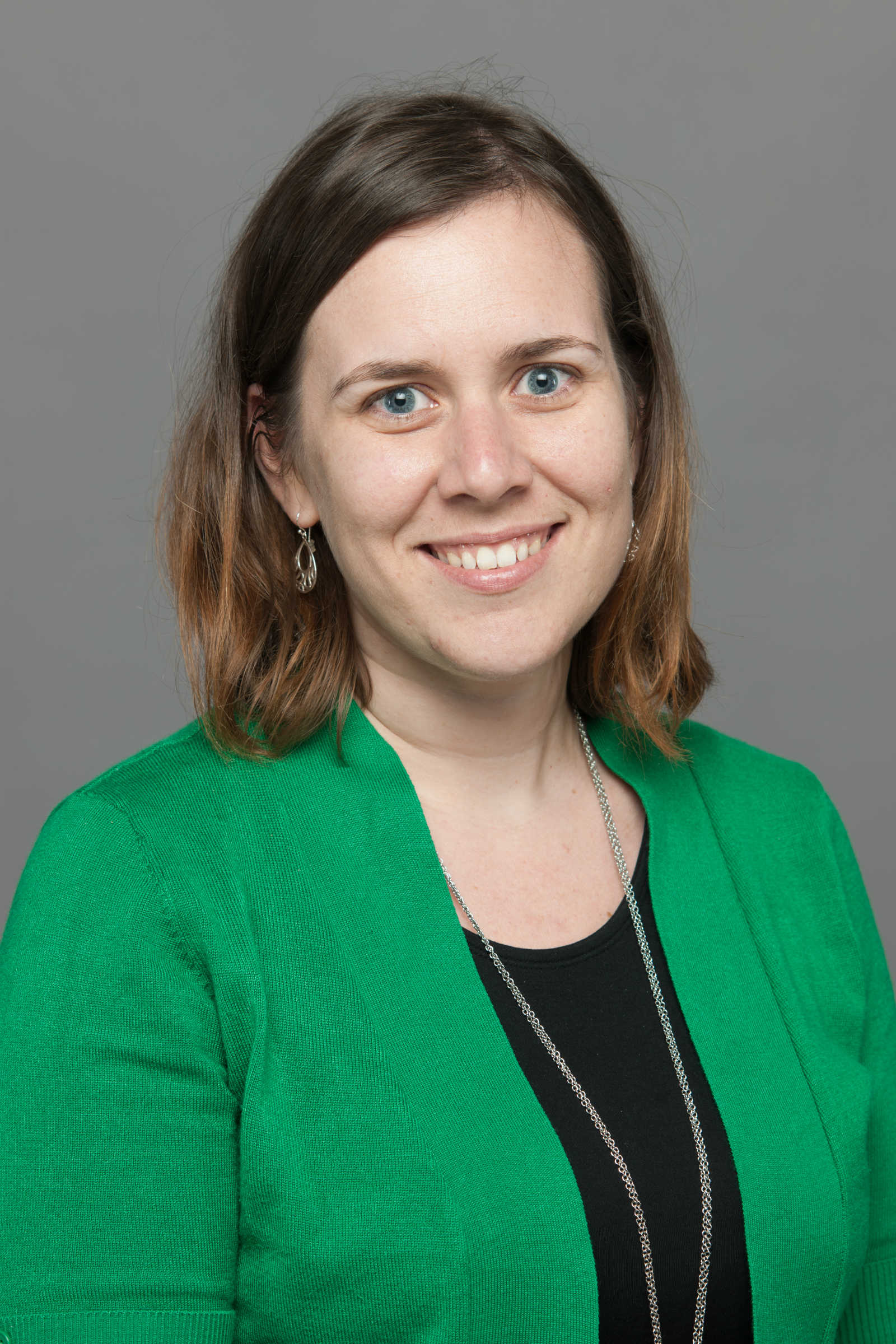
Sonia Underwood, an associate professor in the Department of Chemistry and Biochemistry, recently published her research, Identity Development in Chemistry: The Social Functionality and Moral Significance of Being (Considered) a “Real” Chemist, in ACS Publications. The study discusses the need to broaden the field’s definition beyond traditional academic roles while promoting diverse career paths.
This push for broader identity is vital, as the field struggles with a 25 percent decline in majors over the past five years, significantly higher than the three percent decline in other STEM fields as reported by C&EN News by the American Chemical Society. The field needs to showcase the diverse applications of chemistry and the skills gained through a chemistry degree to attract and retain students and professionals, according to Underwood. She said broadening the definition of who counts as a “real” chemist helps people across all career paths feel they legitimately belong in the field, which is essential for retaining diverse talent in chemistry.
Underwood and graduate student Giselle Castano, who conduct research as part of FIU’s STEM Transformation Institute, explored the challenges faced by chemists who don’t fit traditional molds and the impact of these stereotypes across different career paths.
“Chemisty plays a role in everything we have,” Underwood said of the scientists' hand in everything from developing paints and creating flavors and fragrances to improving fertilizers and contributing to the manufacture of thousands of other products.These chemists may not fit the “pure chemist” stereotype of one who works strictly in a lab, but their work is critical to society.
“If we can identify what creates barriers to identification and belonging, we can work toward making chemistry more welcoming and effective at retaining the diverse talent it needs,” said Castano.
The “Pure Chemist” Stereotype
During their research, Underwood and Castano found that the participants referred to a “pure chemist” as an idealized image of a chemist when asked what characteristics make up a chemist. They often referenced someone with a chemistry degree doing molecular-level research in academia — particularly in organic or inorganic chemistry. Not biochemists. Not chemistry education researchers. Not industrial chemists or chemical engineers.
“What makes this stereotype powerful isn't just that it exists, but that it functions as the measuring stick for legitimacy in the field,” Castano said. “It creates a hierarchy where theoretical, bench chemistry in academic settings is seen as more rigorous and ‘real’ than applied or interdisciplinary work.”
This stereotype, notes Castano, is similar to how some people might say classical music is ‘real music’ while dismissing jazz or electronic music. Those who do not fit the traditional academic, lab-based, or molecular research mold often feel excluded despite being part of the field.
“This hierarchy doesn't just rank different types of chemistry—it determines who gets respect, recognition, and opportunities in the field,” Castano said. “This narrow definition excludes many talented people doing important work, simply because they don't fit the traditional mold.”
Call for Cultural Change
These stereotypes impact chemists in various ways. For instance, those who work in the industry feel there’s a boundary between academia and industry, with some chemists reporting experiencing negative perceptions about their own career choices. Underwood emphasized that individuals should be supported regardless of their career paths or research areas. She and Castano also say “fitting the mold” of a pure chemist is sometimes more important than quality work, leading to challenges in career progression for chemists who follow less traditional career paths.
“Although change is slow, institutions are making progress by promoting collaboration across different research areas,” Underwood said.
The research paper provides reflection questions at the end to spark structured dialogue.
“This isn't about implementing a policy overnight—it's about creating space for honest examination of how we assign value to different types of chemistry work and whether those standards align with the inclusive, interdisciplinary community we claim to want,” Castano said.