The work of FIU science researchers never stops. Whether in the lab or in the field, investigators tackle some of the most pressing problems and develop some of the most promising innovations to make an impact that resonates around the world. Take a look back at the year in science even as teams of faculty and students look forward to contributing still more in fields that include health and medicine, environmental resilience, engineering and technology.
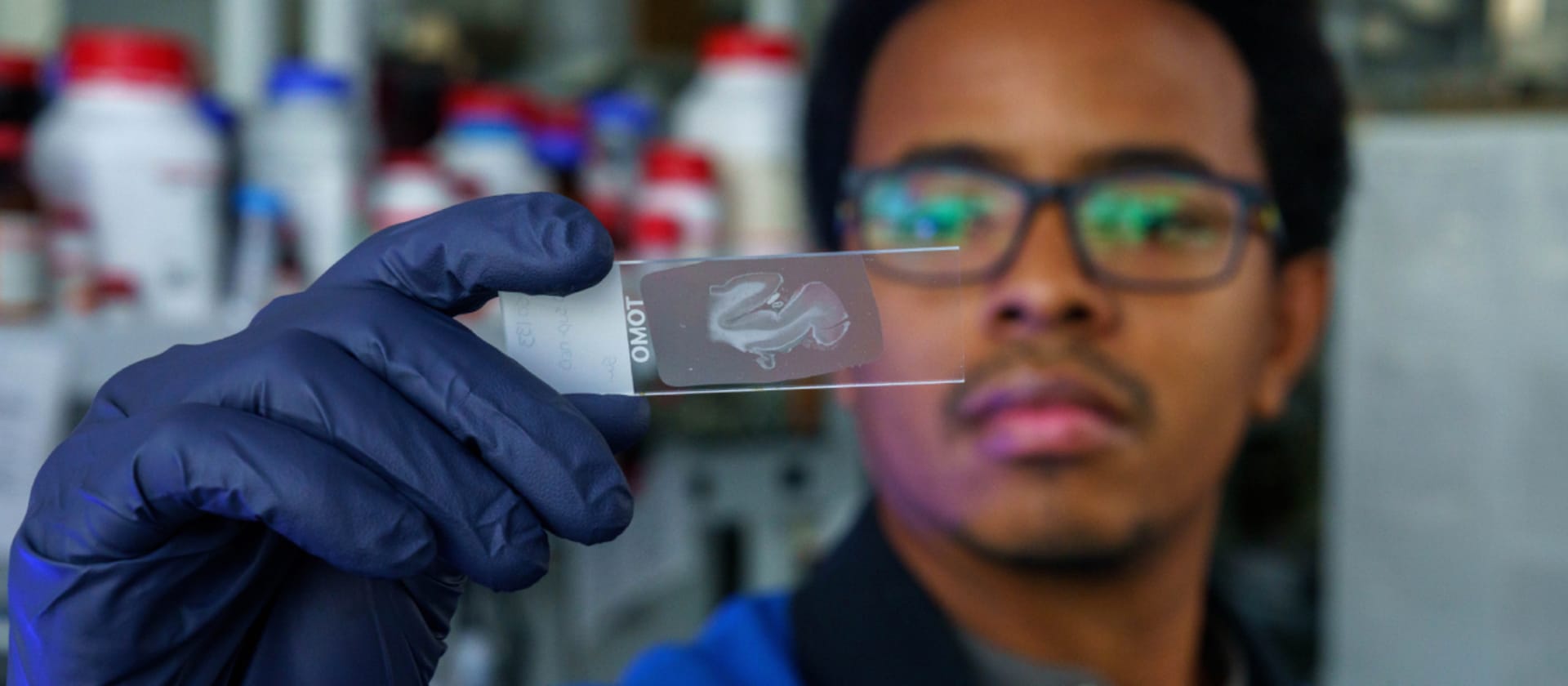
Research out of the laboratory of Dean Tomás R. Guilarte reveals a promising new target to thwart the debilitating neurological disease.
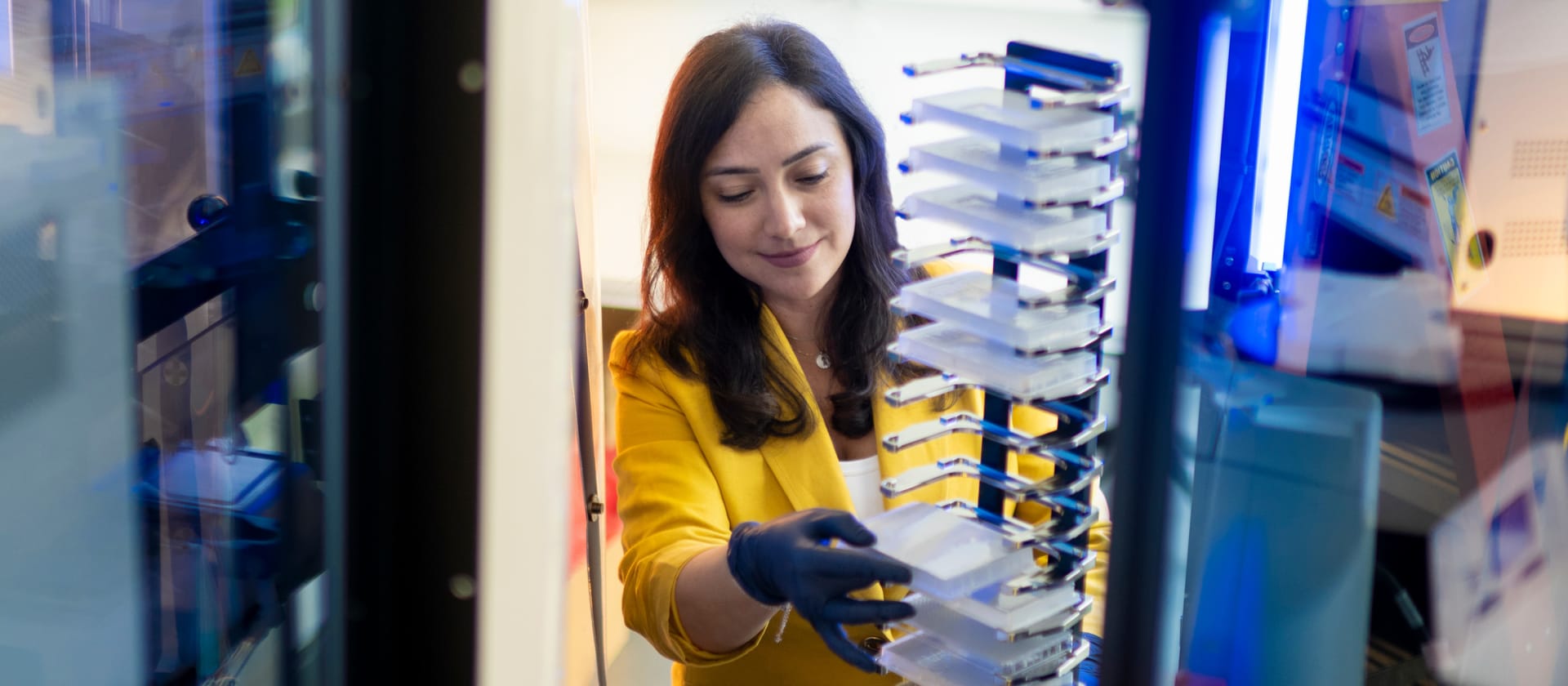
Associate Professor Diana Azzam tests hundreds of FDA-approved drugs directly on a patient’s tumor sample. The results are life-saving.
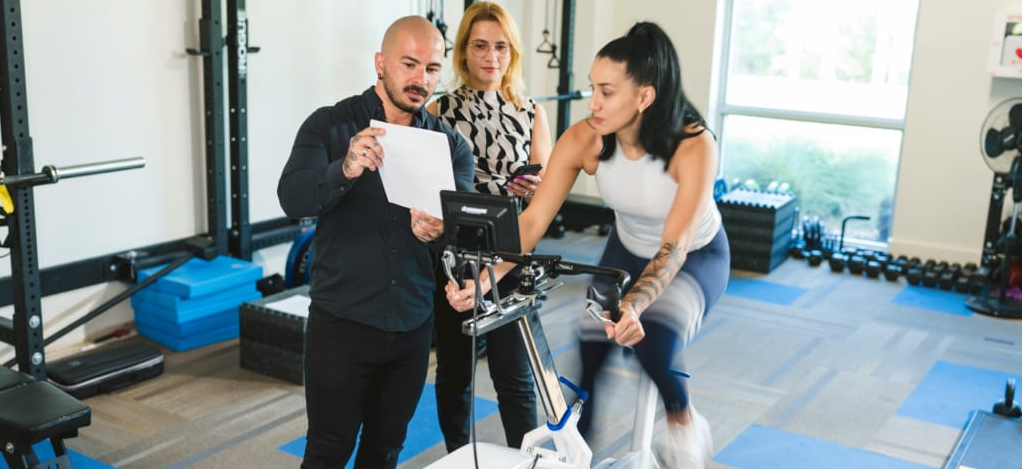
Researcher Marcelo Bigliassi explains how pushing through a little physical discomfort gives the brain new “reference points” of tolerance.
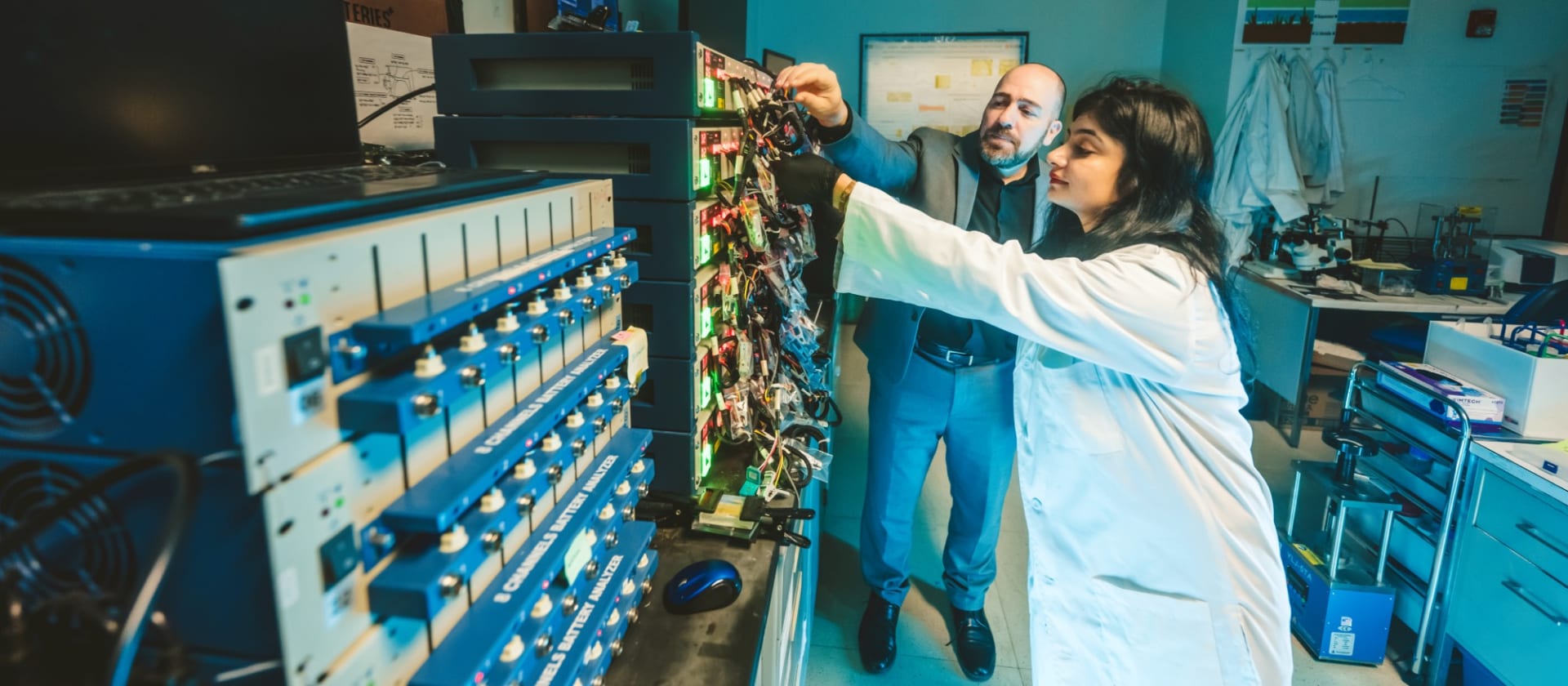
Associate Professor Bilal El-Zahab and his team have discovered a way to lengthen the lifespan of lithium-sulfur batteries.
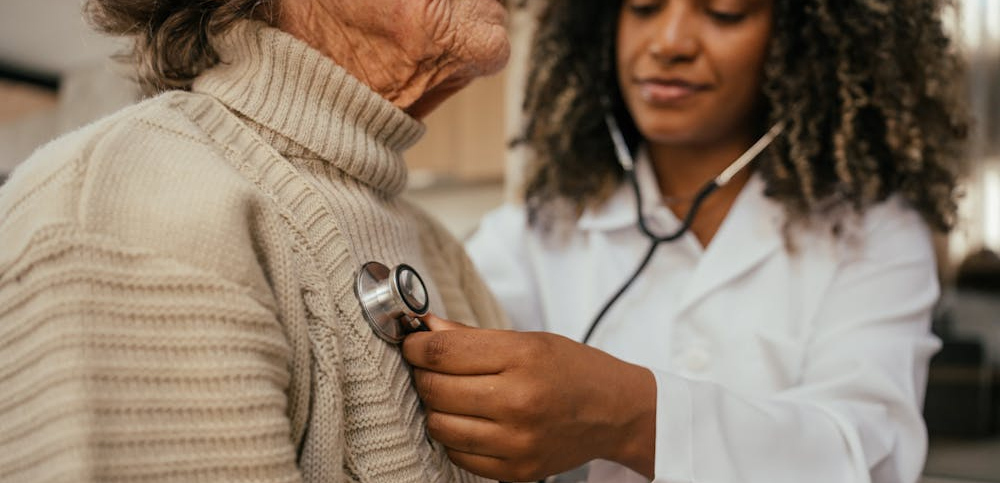
Work by Associate Professor Joshua Hutcheson and Research Assistant Professor Valentina Dargam suggests that AI-enhanced stethoscopes could help detect cardiac disease earlier.
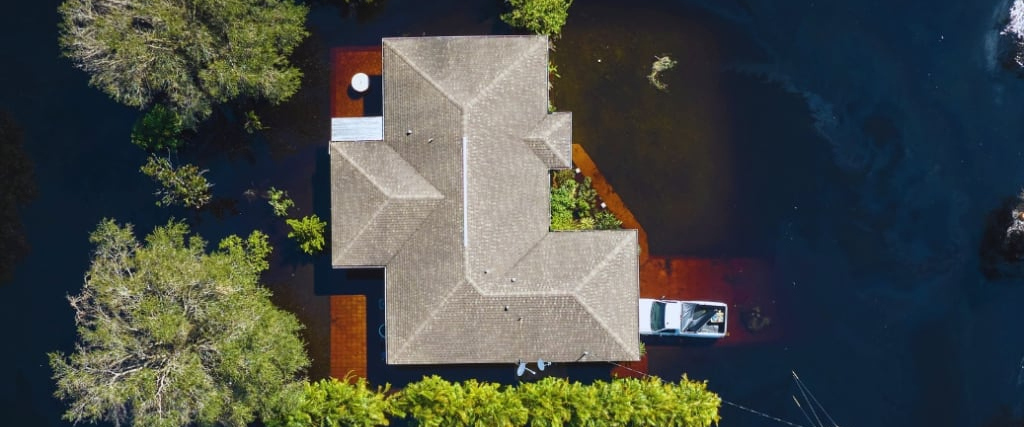
Professor Giri Narasimhan has developed an AI model capable of crunching real-time data to address dangerous situations.
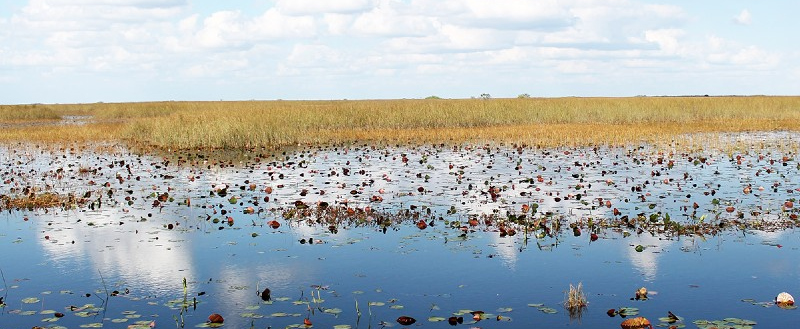
Manmade chemicals are accumulating across the River of Grass, find Associate Professor Natalia Soares Quinete and her student researchers.
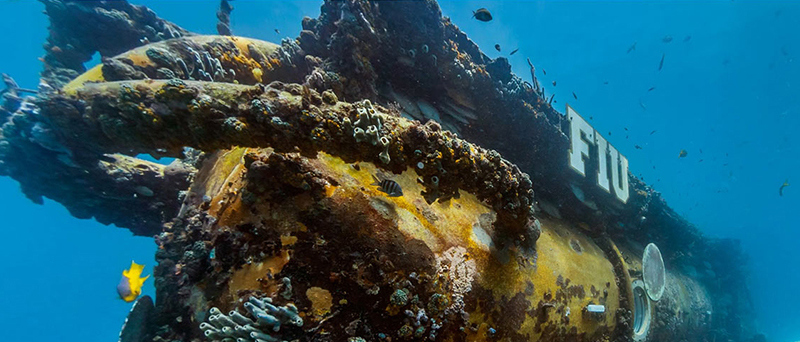
The world's only undersea research lab has gotten enhancements: sensor technology and AI-powered monitoring systems.
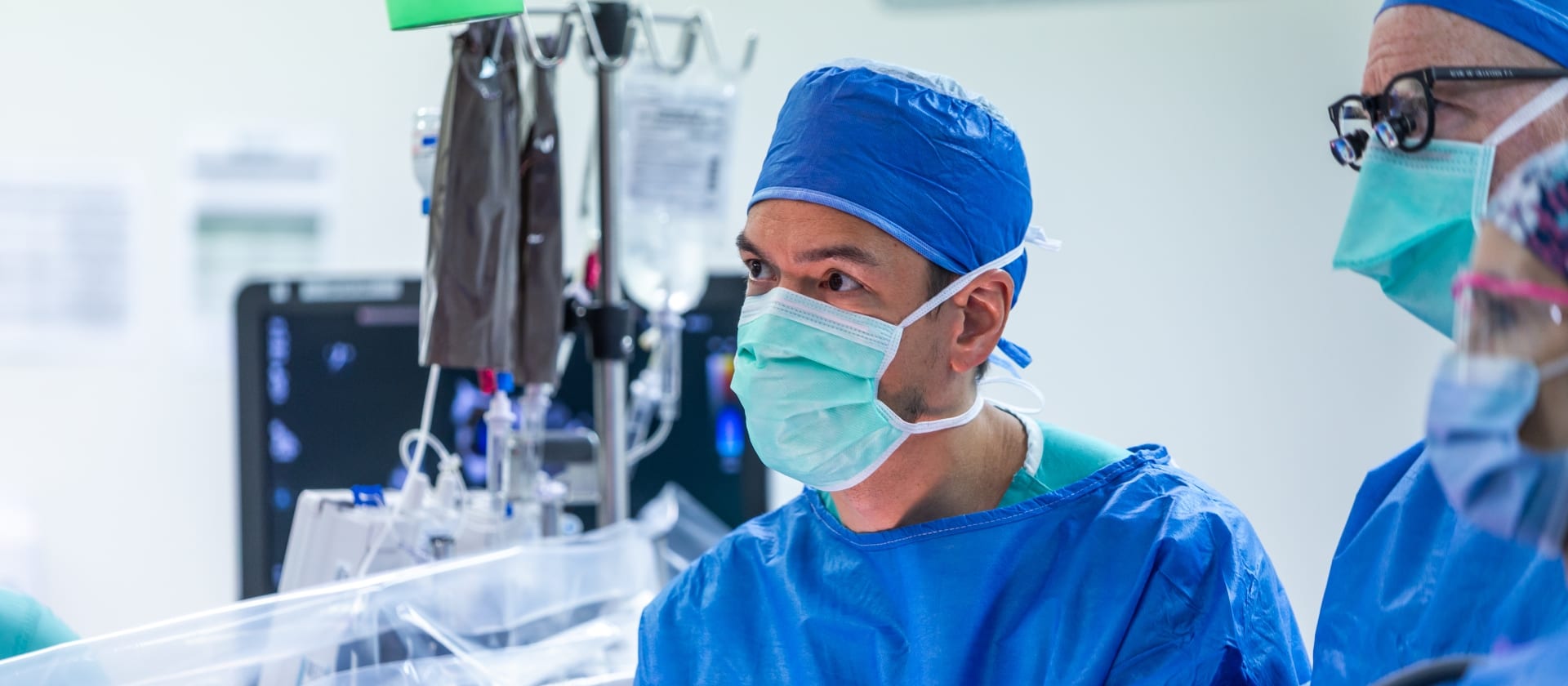
Dr. Makoto Hashimoto arrived at FIU in January and practices at Baptist Health, where he has performed more than 100 robot-assisted cardiac surgeries in 2025, creating the busiest program in Florida.
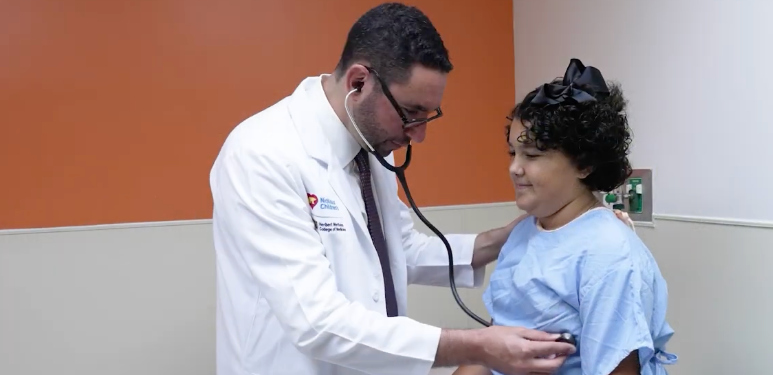
Dr. David Kalfa is a trailblazer in tissue-engineered cardiovascular devices and heart transplantation in babies. He is co-director of the Nicklaus Children’s Heart Institute and an FIU professor.
Read more in our annual publication