

FIU researchers: Most patients with obesity don't get the weight counseling they need
There's no shortage of weight-loss advice on social media, TikTok, television, and AI chatbots. But the most credible source — a patient's own primary care doctor — is often the one they're not hearing from.
Fewer than one-quarter of obese patients receive weight-reduction counseling during their primary care office visits, according to a new study by physician-investigators at Florida International University Herbert Wertheim College of Medicine and Baptist Health. The findings point to a gap in care that, if addressed, could help curb the nation's obesity crisis.
The counseling gap
The observational study, published in the Journal of General Internal Medicine, analyzed more than 289 million patient visits nationwide. It revealed that fewer than 25% of obese patients were given exercise advice, and only 33.9% received dietary recommendations.
"By 2048, it's estimated that half of Americans will be obese, even with the impact of newer medications, such as GLP-1s," said first author Dr. Muni Rubens, a resident physician training in the FIU/Baptist Health Internal Medicine Residency program. "With serious health conditions like diabetes, cancer and heart disease linked to obesity, we have a significant problem."
A body mass index (BMI) of 30.0 or higher lands a patient in the obese category. A BMI of 40.0 or higher is considered severe obesity. More than 40 percent of adults today are obese, according to the Centers for Disease Control and Prevention.
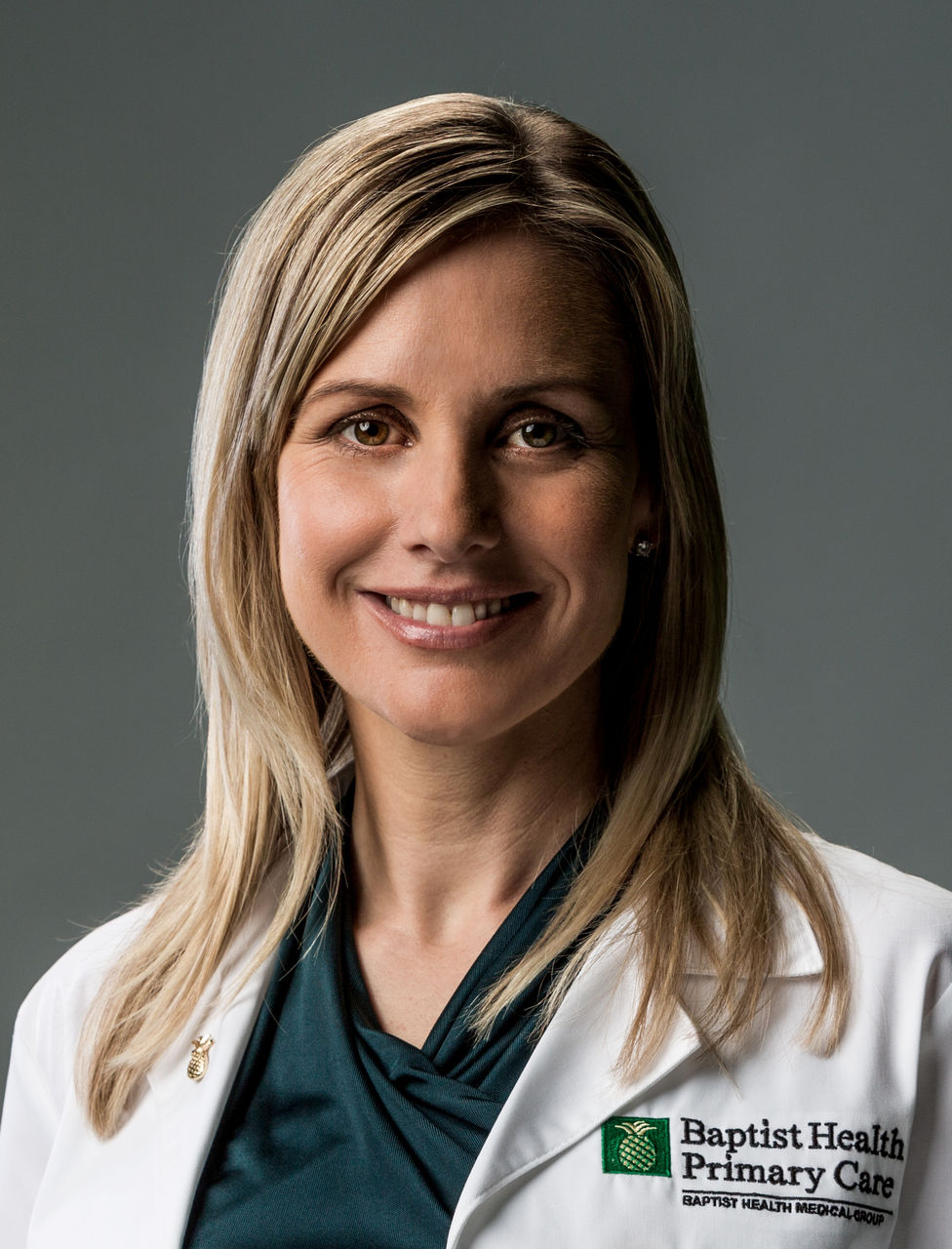
Given the current climate around weight management and the intense national attention on GLP-1 medications, the results weren't entirely surprising, said senior author Dr. Elise McCormack-Granja, internal medicine physician with Baptist Health Medical Group, assistant professor and an associate program director of the FIU/Baptist Health Internal Medicine Residency. Still, they were a wake-up call about the role primary care physicians play in the fight against obesity.
"Many people are getting their advice from social media," McCormack-Granja said. "That is a risk. We need to build relationships with our patients and spend the time to talk with them so that we can develop specific, measurable guidance for the individual, rather than generic advice like: Don't eat fast food!"
Training physicians to address obesity
In response, the FIU/Baptist Health Internal Medicine Residency program is already changing how the next generation of physicians is educated. A lifestyle medicine rotation is built into its curriculum, along with training modules on healthy eating, weight loss and cardiovascular health.
"We must convey to students the importance of carving out time in primary care visits just for counseling," Rubens said. "This is about preventing critical diseases."

Beyond physician training, McCormack-Granja said several practical barriers make it harder for health providers to address weight in the exam room-- limited access to nutritionists, inconsistent insurance coverage for counseling, and time constraints all contribute to the challenge. It is not unusual for patients to raise weight concerns as an afterthought at the end of a visit, when the issue really warrants its own appointment.
"The reality is that we aren't spending enough time addressing the core measures of obesity with our patients."
The study's findings suggest that giving patients and providers more opportunities to discuss weight—including through telehealth visits—and the resources to make lasting changes could play an important role in addressing the growing obesity crisis.
For patients looking to have this conversation with their own primary care physician, the doctors recommend:
- Scheduling a dedicated appointment so that there’s enough time to fully explore weight loss options
- Bringing a list of all medications and supplements since some affect weight
- Identifying your personal weight loss goal
- Logging your physical activity and dietary habits for three to seven days.
When patients come prepared to their appointment, “it can open the door to a thorough discussion and an individualized approach to weight loss,” said McCormack-Granja.
In an editorial accompanying the obesity study, the Journal of General Internal Medicine notes that “the study used data from pre-COVID, and before GLP-1 medications became popularly used for obesity management.” The editorial suggests that further research is needed to determine whether the growing use of GLP-1 medications has affected the receipt of behavioral counseling. As the editors explain, “It is possible that obesity counseling may have become more prevalent with the GLP-1 medications, but it is also possible that less behavioral counseling is provided because patients and physicians are more focused on the prescription of GLP-1 medications.”