

For many teenagers, anxiety is more than occasional stress or nerves. It can make school feel overwhelming, strain friendships and turn everyday situations into something that feels unmanageable.
When treating anxiety, therapists often teach young people how to shift their attention away from spiraling worries and back to the present moment. It might involve focusing on what they can see, hear or feel around them rather than becoming stuck in anxious thoughts.
Researchers at FIU’s Center for Children and Families are testing whether a therapeutic video game called Eco-Rescue can help teens practice that skill and reduce anxiety by strengthening attention control, helping the brain focus better, filter out distractions and recover more quickly from stressful moments.
The project is a collaboration with researchers at the University of Geneva, and FIU is the first site in the U.S. to test the game in a clinical trial.
"The University of Geneva team brings expertise in cognitive training and game design, while FIU contributes its experience running clinical trials and studying anxiety in young people,” said Jeremy Pettit, psychology professor and executive director of FIU’s Center for Children and Families. “Together, this partnership combines the science behind the game with the clinical rigor to test how well it works."
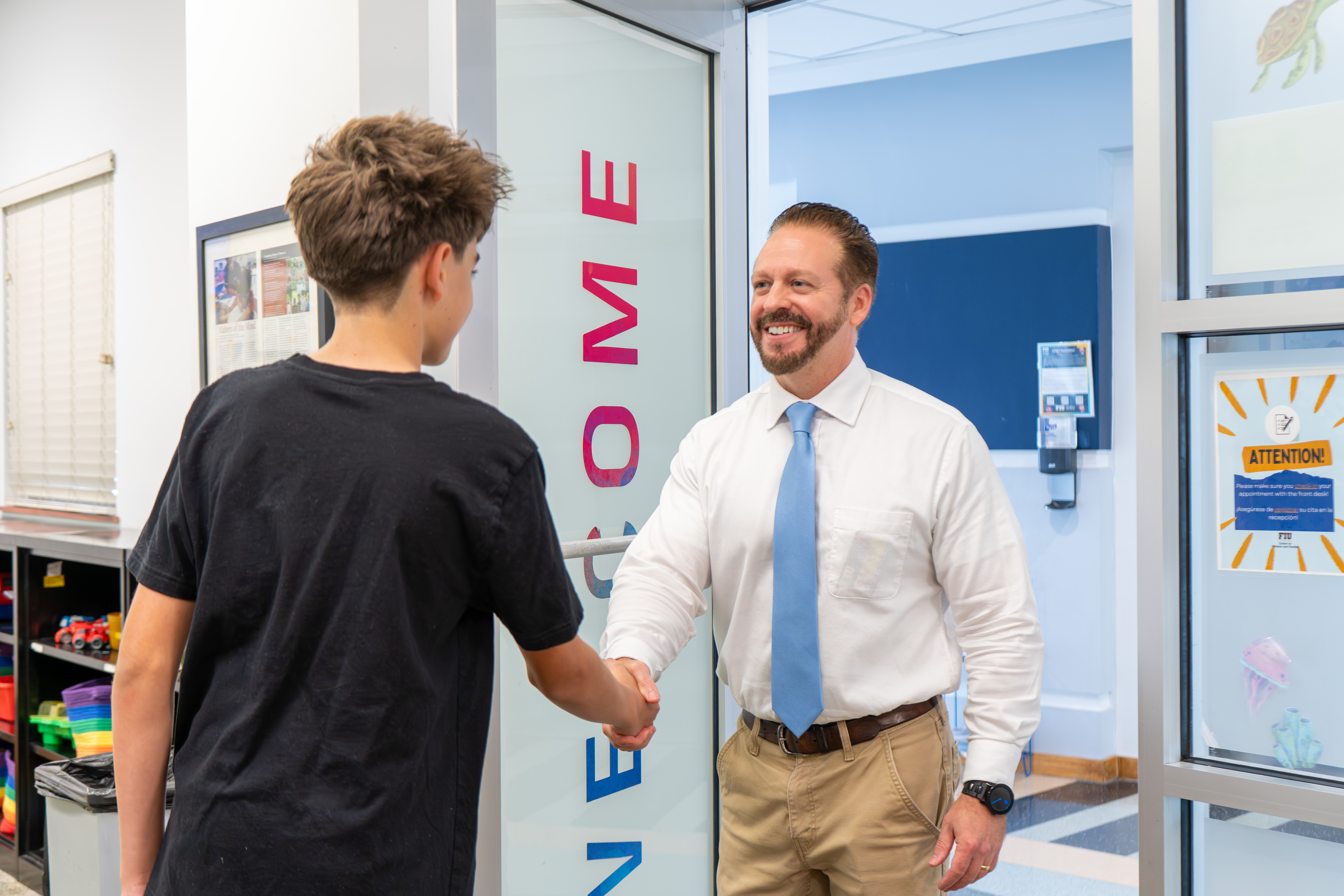
The study builds on years of research showing that anxiety is closely connected to how the brain manages attention. When young people struggle to shift their focus away from worry or recover after stressful experiences, anxious thoughts can become harder to interrupt.
Pettit’s research has previously found that strengthening attention-related skills can reduce anxiety symptoms, including in some teens who did not improve with traditional therapy alone.
While some video game-based programs have previously been studied for conditions like ADHD, Eco-Rescue was specifically designed around mental processes linked to anxiety rather than general brain training.
"Adolescents are already spending a lot of time engaging with digital media," said Pettit. "This project allows us to meet them where they are while delivering an intervention grounded in science."
In the game, players take on the role of a pilot working to restore damaged environments. As they play, they track moving objects, respond to unexpected changes and manage multiple tasks at once. The challenges become more difficult as players improve, keeping the game engaging while targeting skills connected to attention and emotional regulation.
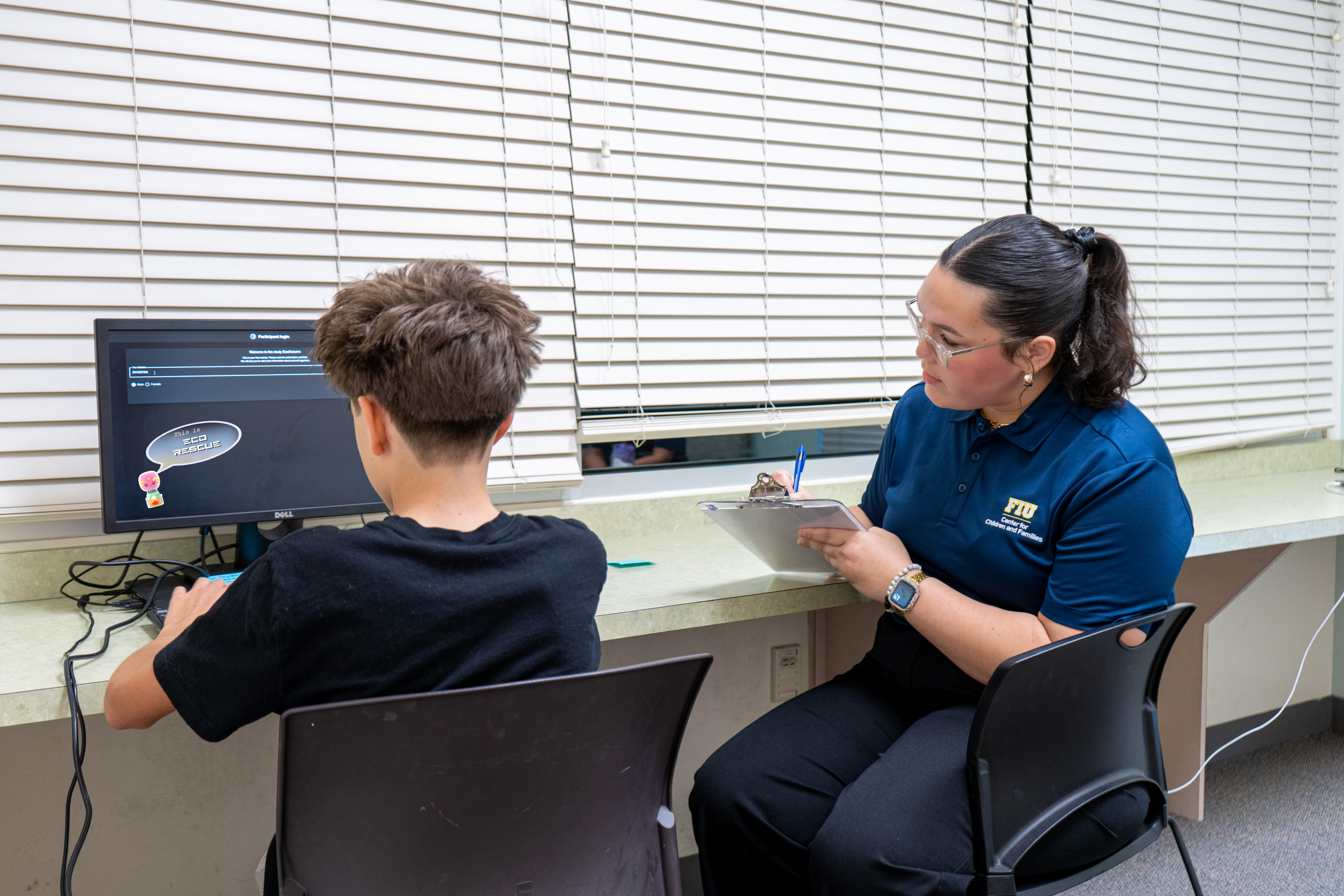
Pettit and his team are currently recruiting 50 adolescents between the ages of 11 and 15 at the FIU site, with 150 participants expected across all study locations. That age range is especially important because anxiety disorders often emerge before age 15, during a period when the adolescent brain is still developing and may be more responsive to this kind of intervention.
Participants will be placed into one of three groups: one will play Eco-Rescue at home, another will play a different video game that does not target attention skills and a third will not play a game at all during the six-week study. Teens in the Eco-Rescue group will play about 30 minutes a day, four days a week, for a total of roughly 12 hours.
At the end of the trial, researchers will examine whether the game led to measurable improvements in attention control, emotion regulation and anxiety symptoms.
"This study is testing a new generation of attention-based treatment," Pettit said. "If it proves effective, it could offer adolescents another option for managing anxiety in their daily lives."
If the game proves successful, Pettit and his team hope it could eventually become a more accessible mental health tool for adolescents, particularly for families who face barriers to traditional care.
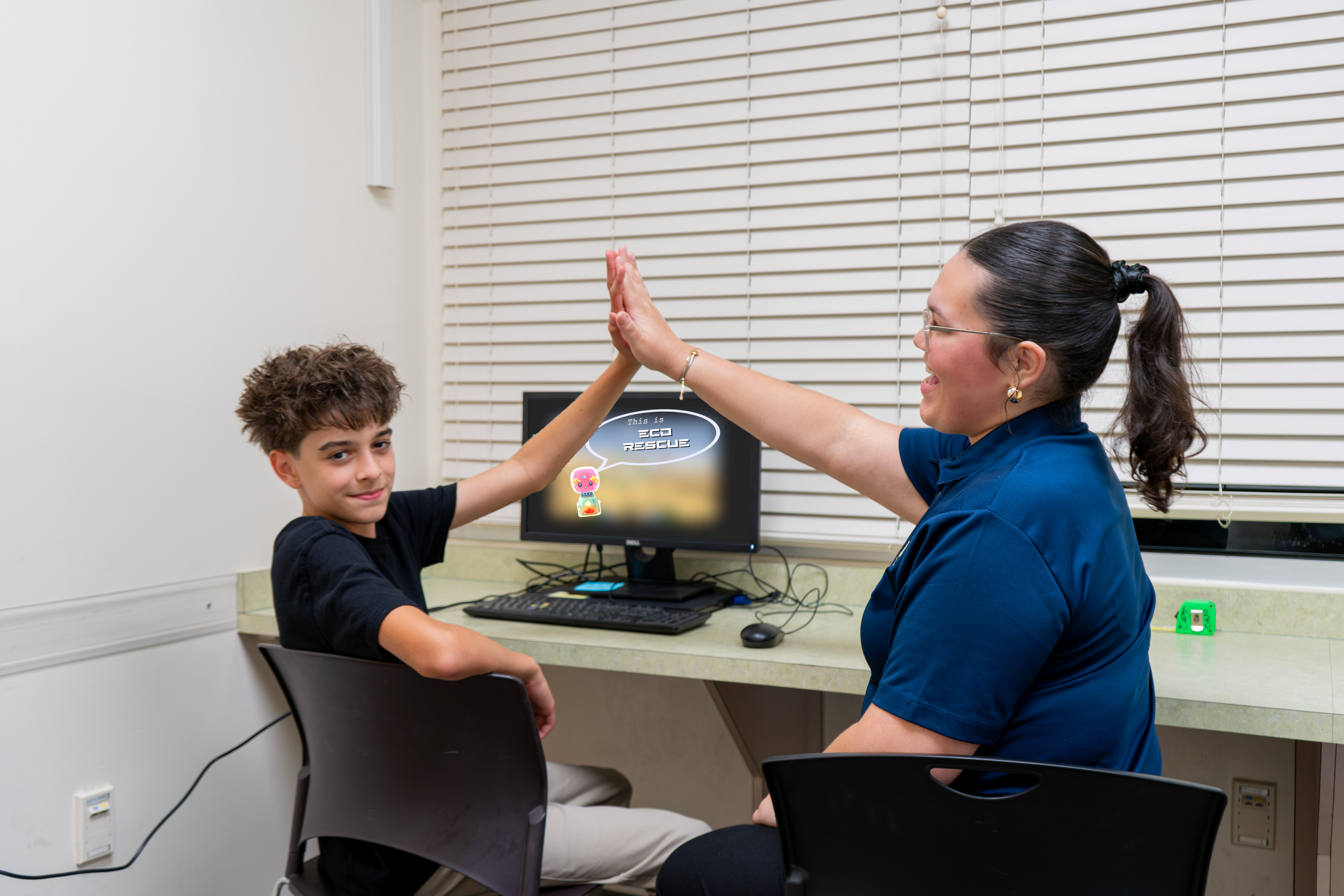
The study is part of a broader international effort that also includes collaborators at the University of Haifa and Yale University.
Families interested in participating can contact the Child Anxiety and Phobia Program (CAPP) at FIU's Center for Children and Families by calling 305-348-1937 or clicking here to fill out an interest form.