
Dementia cases are increasing in lockstep with an accelerating proportion of adults over 65 years of age. Alzheimer’s Disease is the most common type of dementia and expected to affect nearly 14 million Americans by 2060, according to the Centers for Disease Control and Prevention.
Fortunately, researchers and clinical experts worldwide have heard the call and responded. An intensive hunt is underway for effective evidenced-based interventions, accurate biomarkers and accessible tests, and more effective medical services for timely evaluation over the life course that can reduce the risk of Alzheimer’s or delay dementia progression.
Scientists at FIU are among the vanguard of that work. They join colleagues across the globe in working toward answers to improve quality of life and support affected families.
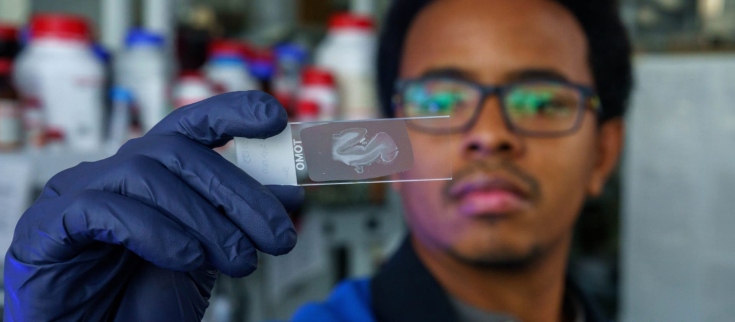
The race toward early detection
A discovery out of the laboratory of Dean Tomás R. Guilarte reveals a promising new target to thwart the debilitating neurological disease in its tracks.

A scholar’s guarded optimism
William Vega, distinguished professor and senior scholar for community health at FIU, considers the multi-layered complexities around diagnosis and treatment and takes hope in the work of his fellow scientists.
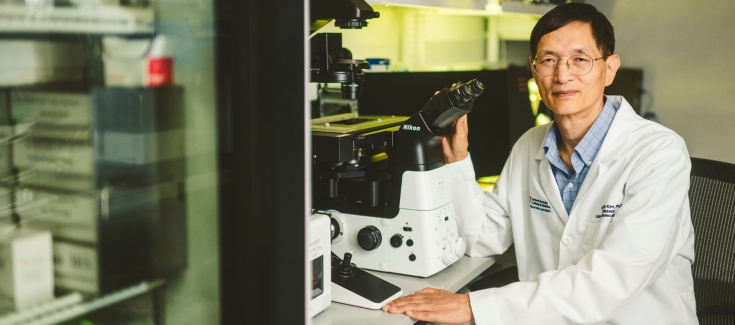
A promising new drug candidate
Chronic neuroinflammation is suspected to play an underlying role in the progression of Alzheimer’s. Researcher Kyung Bo Kim has found a way to fight it and possibly ward off cognitive impairment.

Daily habits to combat dementia
The link between sleep, the state of our gut and increased risk for Alzheimer’s disease may seem surprising, explain researchers Shanna L. Burke and Sabrina Sales Martinez, who offer everyday strategies to optimize health.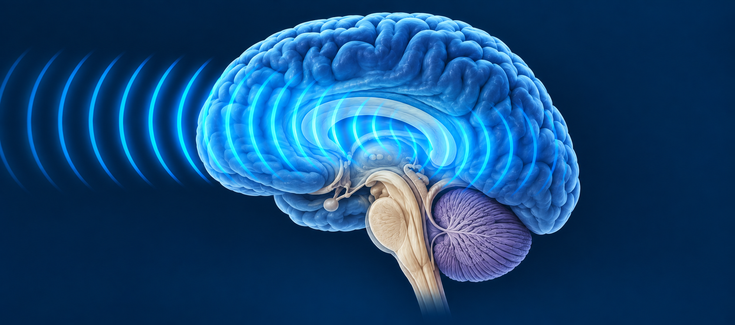
Ultrasound as possible treatment
Baptist Health Miami Neuroscience Institute and FIU’s Herbert Wertheim College of Medicine have partnered to study the effects of low-intensity focused ultrasound waves on the brain as a possible therapy for patients with Alzheimer's.