
FIU/Baptist Health physician-researchers explore ways to expand clinical trial participation
From lifesaving drugs to new treatments, clinical trials are essential to advancing medicine, and their success depends on people participating. Yet participation remains low. Only about 7% of U.S. adults with cancer enroll in treatment-related clinical trials.
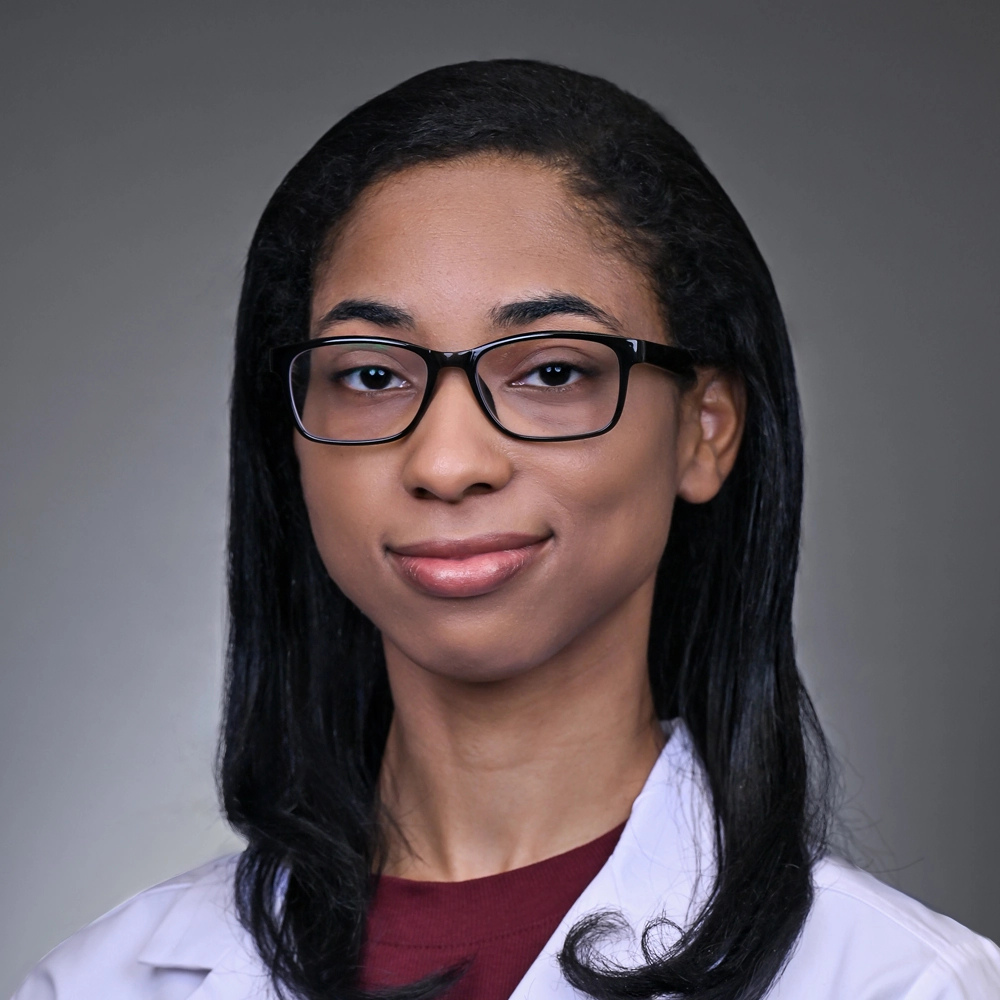
Dr. Leanne Dumeny, a resident physician in the FIU/Baptist Health Family Medicine Residency worked with FIU and Baptist Health researchers to study how clinical trial education within South Florida communities could contribute to improving participation in clinical trials.
The team held two sessions in English in Palm Beach and Broward counties and a session in Spanish in Miami-Dade County. Funded by the V Foundation for Cancer Research, the sessions covered what clinical trials are, why they matter and how people can get involved. The presentations also featured testimonial speakers who shared their experiences, making the information more relatable for attendees.
The study, published in Clinical Cancer Research, included 115 adults who completed anonymous surveys before and after the sessions.
When interest doesn’t lead to access
About one-quarter of participants said they were interested in joining a clinical trial but had never been offered the opportunity. The finding points to a gap that education alone may not solve: People also need clear ways to find and connect with available studies.
“Healthcare systems and research programs also need pathways that connect interested individuals with available studies,” said Dumeny.
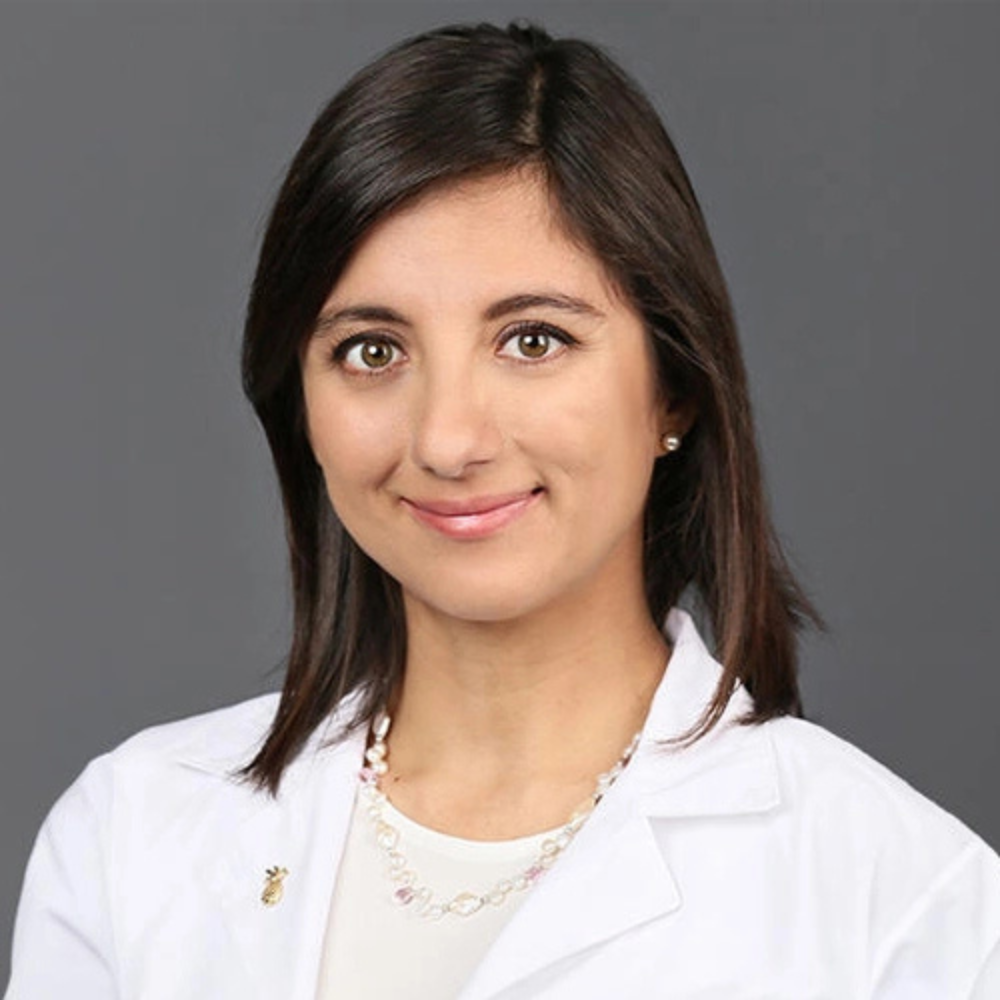
Principal investigator Dr. Ana Sandoval-Leon, clinical assistant professor at the FIU Herbert Wertheim College of Medicine, faculty member in the FIU/Baptist Health Internal Medicine Residency and Hematology and Medical Oncology Fellowship programs and medical breast oncologist at Baptist Health Herbert Wertheim Cancer Institute, sees the finding as a call to action for providers.
“We need to make it a standard practice to ask every patient about their interest in a clinical trial, not just the ones we assume might say yes,” she said, emphasizing the importance of providers knowing which studies are available and being equipped to have those conversations with patients.
Building awareness and understanding
The study supported Dumeny’s idea that community education can make a difference.
After the sessions, 96% of participants said the presentations improved their understanding of clinical trials, while 77% said they were more willing to participate in future studies.
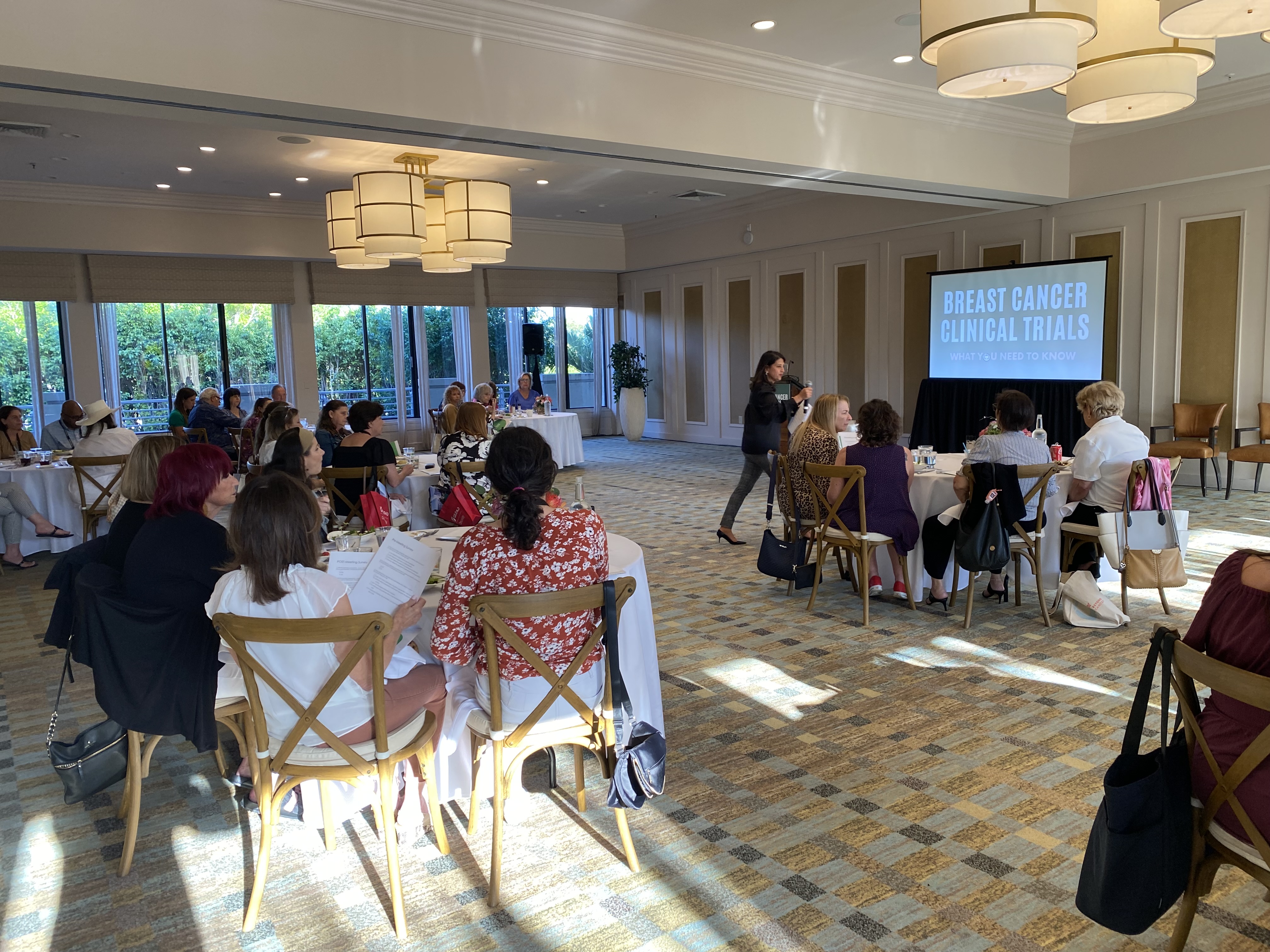
Clinical trial outreach session in Palm Beach
A better understanding and willingness to participate in clinical trials could help bring a more diverse group of people into clinical trials, giving researchers a better picture of how treatments work across different populations and making study findings more relevant to future patients.
“There is a need to inform people that clinical trials are available to them, why they might want to participate and why representation matters so that more people can benefit in the future,” said Dumeny.
This is especially important in cancer research, where rates of some cancers are rising among younger adults. According to the American Cancer Society's 2026 Cancer Statistics report, colorectal cancer is now the leading cause of cancer death among people younger than 50. From 2013 to 2022, breast cancer incidence increased about 1% per year overall, while among women younger than 50, it increased about 1.4% per year.
Among participants who were initially hesitant, 33% cited concerns about side effects or doubts about whether a treatment would work.
Because treatments may be new and people can respond differently, it is difficult to anticipate every side effect. The finding highlights the importance of making sure patients understand potential risks, know how research teams monitor and respond to them, and feel comfortable reporting concerns throughout the trial.
“Learning about these side effects is part of the research process,” said Dumeny.
A message to the community
The study included a relatively small group of participants, and because the surveys were anonymous, researchers could not determine whether those who expressed interest ultimately pursued a clinical trial.
Still, the findings highlight an opportunity for South Florida’s diverse communities to play a greater role in clinical research and help ensure new treatments are studied in populations that reflect the patients who may ultimately benefit from them.
“Participating in clinical trials is one way that patients can contribute to the scientific process of managing and curing disease,” said Dumeny. “Particularly in cancer trials, participation may also be an opportunity to access novel therapies or options that may not otherwise be available to them.”
Sandoval-Leon said greater awareness can help address misconceptions about clinical trials, including the belief that participants are treated as “guinea pigs.”
“Trials are governed by strict ethical and regulatory oversight, and patient advocates are directly involved in designing and reviewing trials to make sure they are patient-centered from the start,” she said. “Participants are protected, informed and central to the process.”
Dumeny plans to continue engaging South Florida communities through education and outreach, helping more people see clinical trials as an opportunity to contribute to research and improve care for all.
If you are interested in learning about studies that may be available and appropriate for you, talk with your healthcare provider. Learn more about clinical trials