

Homework used to take hours.
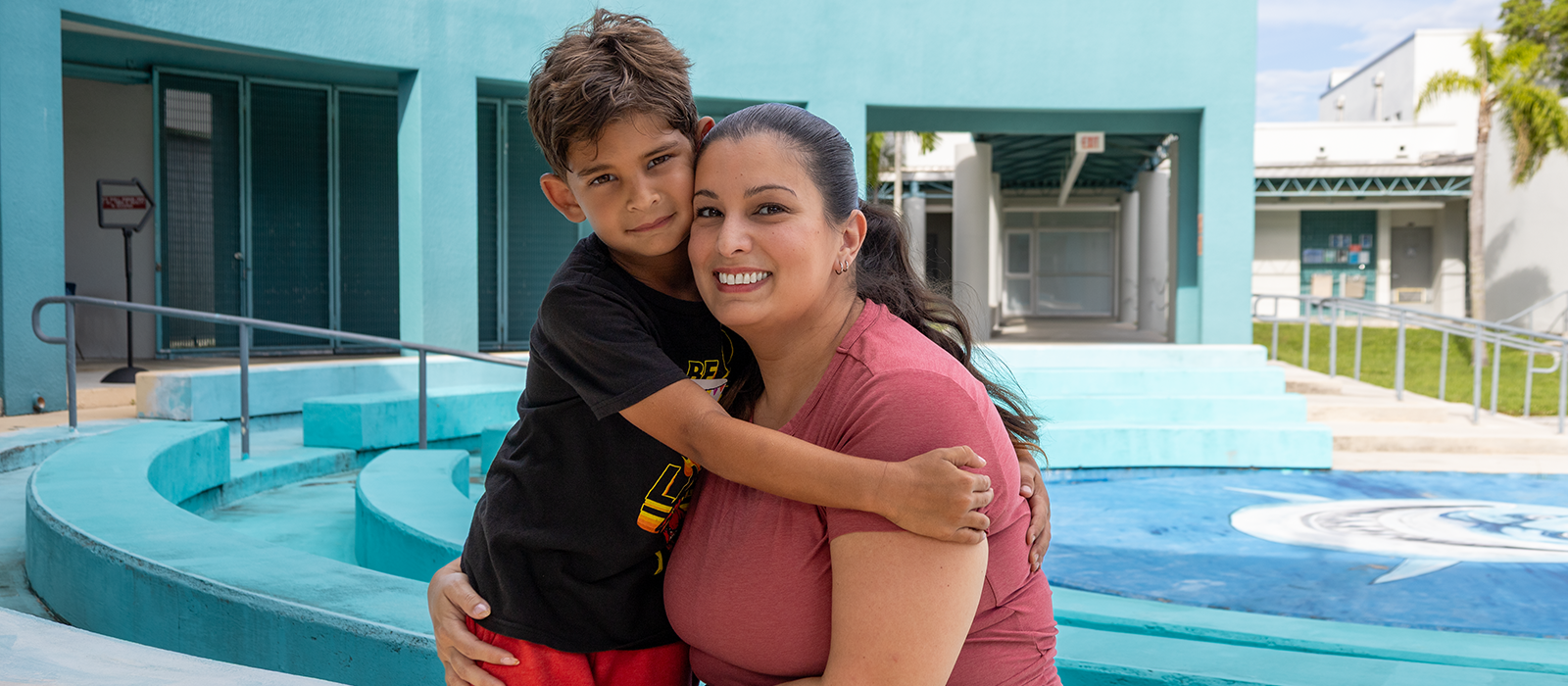
Not because Santiago wasn't trying. Bedtime, brushing teeth, even basic routines felt like a negotiation that could unravel at any moment. When his parents learned he would have to repeat first grade, it wasn't just disappointing. It felt like a door closing.
"Everything was a struggle," his mother said.
Their experience is far from unusual. For many South Florida families, getting mental health support for a child can feel like hitting a wall. Therapists are booked. Waitlists stretch for months. Insurance often does not all treatments. In the meantime, children struggle at school, at home and in their relationships while their families search for answers.
According to the Centers for Disease Control and Prevention, nearly one in five children between the ages of 3 and 17 has been diagnosed with a mental, emotional or behavioral health condition, yet many never receive the help they need.
At FIU’s Center for Children and Families, closing that gap is the mission.
Making an impact
Since opening in 2010, the center has grown into one of the nation’s leading institutions for children’s mental health research and treatment. With nearly 40 faculty researchers and clinicians, the center provides a full range of services for families, from therapy and evaluations to parent support and school-based care.
Services are offered in English and Spanish, available in person and through telehealth, and designed to be accessible through insurance or a sliding scale based on a family’s ability to pay.
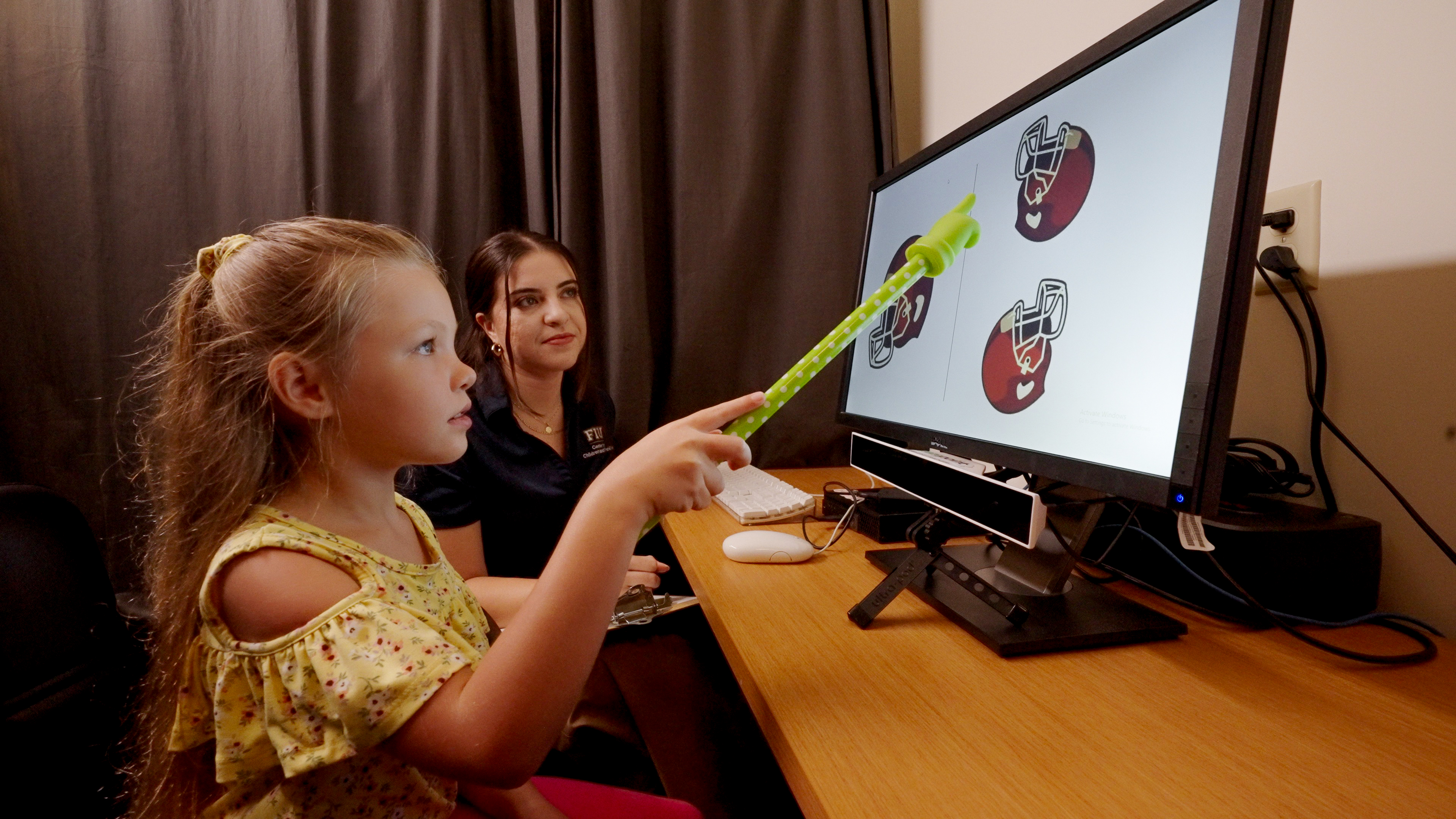
The reach is significant. In 2025 alone, the center’s summer programs served more than 3,600 children and their families. Faculty held 68 active research grants totaling $93.9 million— funding that has directly shaped how children are diagnosed and treated nationwide. Recent studies have explored how play-based approaches can strengthen preschoolers’ STEM skills, how improving sleep can support better mental health outcomes and why behavioral therapy should be the first line of treatment for children with ADHD.
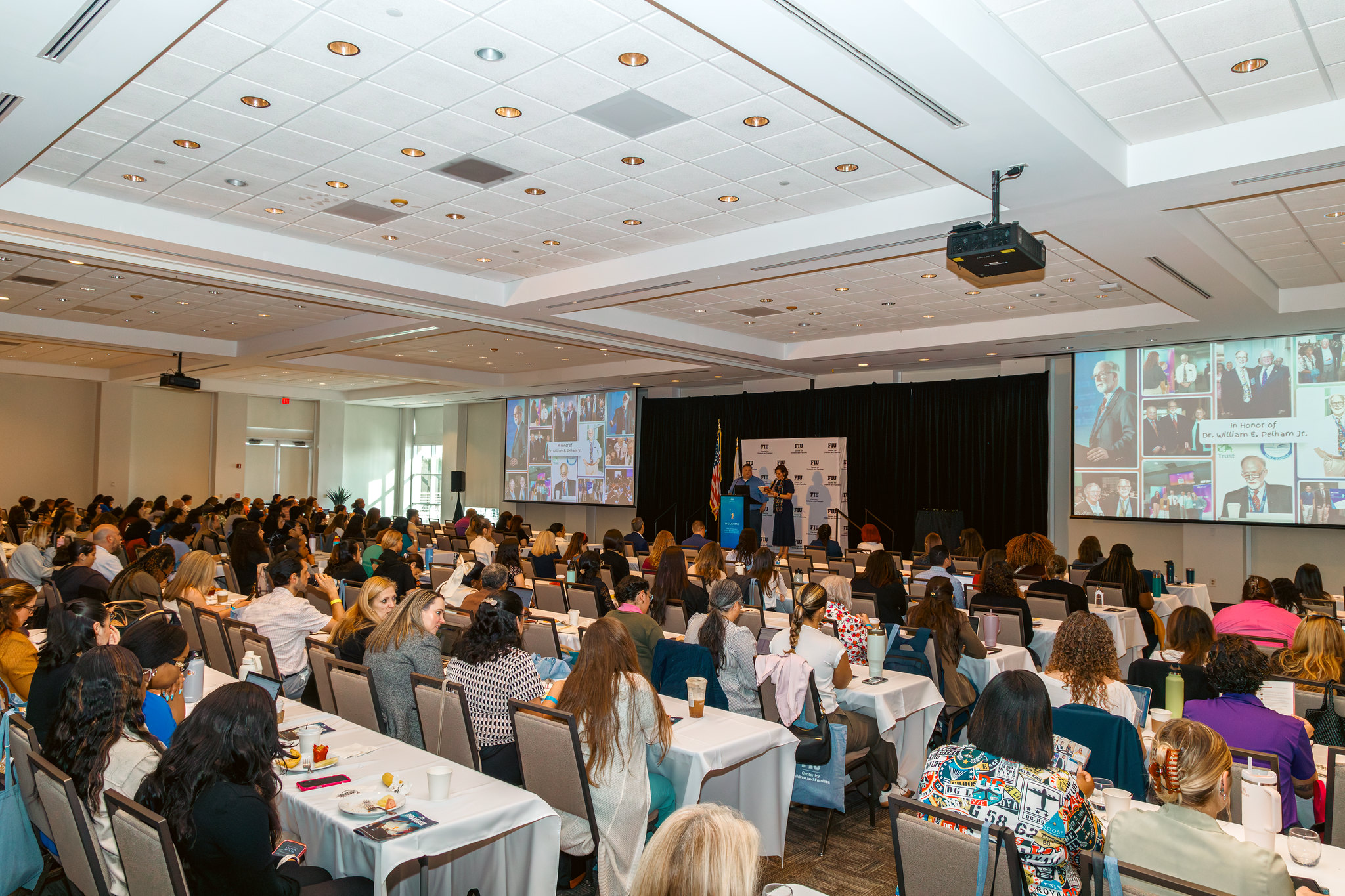
More than 4,400 professionals received training through the center’s programs, including the Miami International Child and Adolescent Mental Health Conference, which brings together clinicians, educators and students from across the region.
Each year, more than 400 undergraduate students and 80 graduate trainees gain hands-on experience at the center, many drawn from across the country.
“What makes our work so meaningful is that it doesn’t stay in the lab,” said Jeremy Pettit, executive director of the Center for Children and Families. “The research we conduct directly shapes how children are diagnosed and treated, not just here, but across the country. When we train clinicians or develop new approaches, that impact extends into communities, schools and families everywhere.”
A summer of transformation
For Santiago and his family, the turning point came through the Summer Treatment Program, the center’s flagship program and one of the most intensive, evidence-based programs for children with ADHD in the country.
Over eight weeks, children build communication skills, emotional regulation and social confidence through structured activities that blend sports, academics and group interaction. It looks like summer camp, but it functions as intensive therapy, delivering the equivalent of seven years of weekly therapy in a single summer.
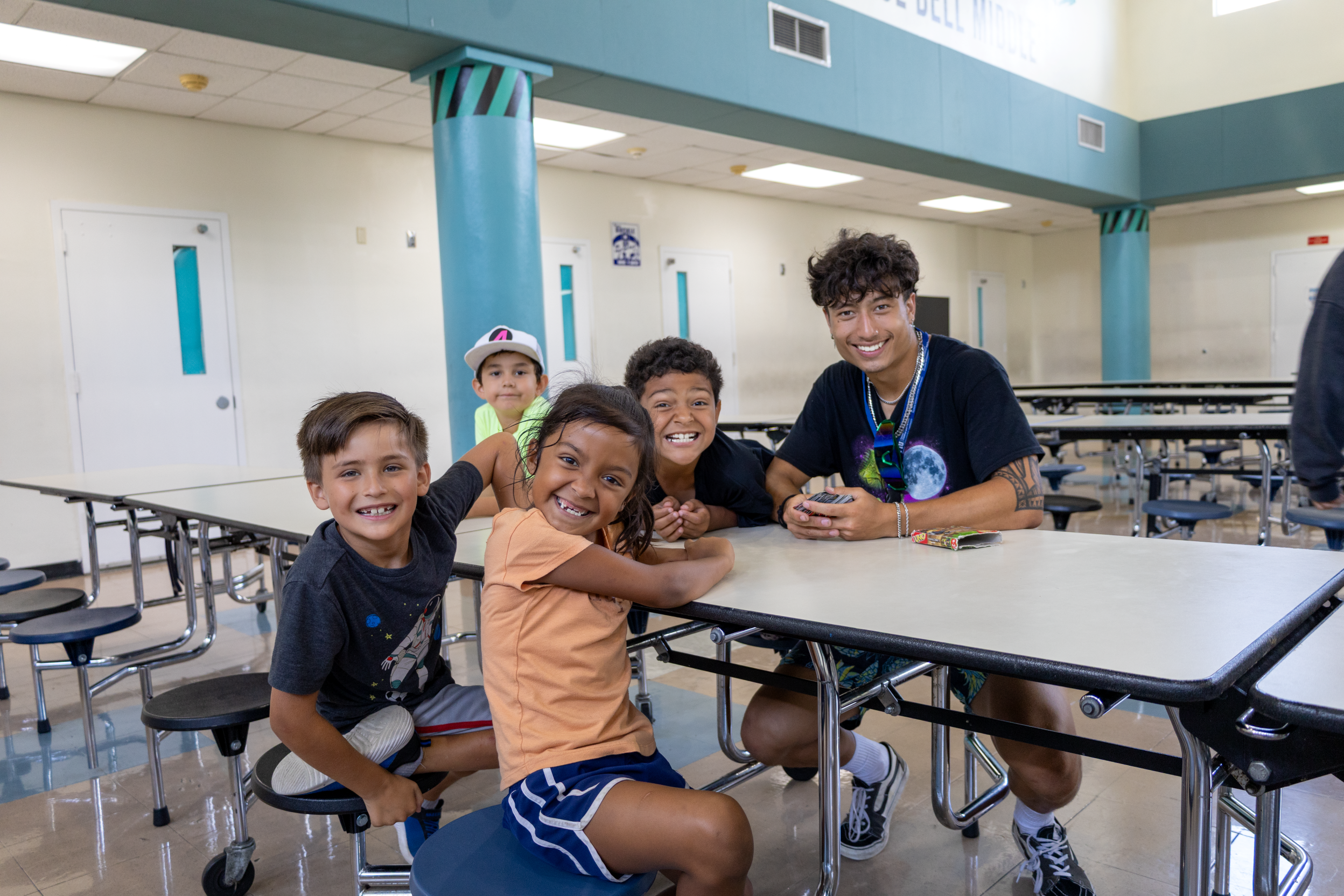
Parents also attend weekly trainings alongside their children, gaining tools they can use long after the program ends.
“The point system we learned has changed everything,” Santiago’s mother said. “We’re even using these strategies with our other kids, and it’s making a difference for the whole family.”
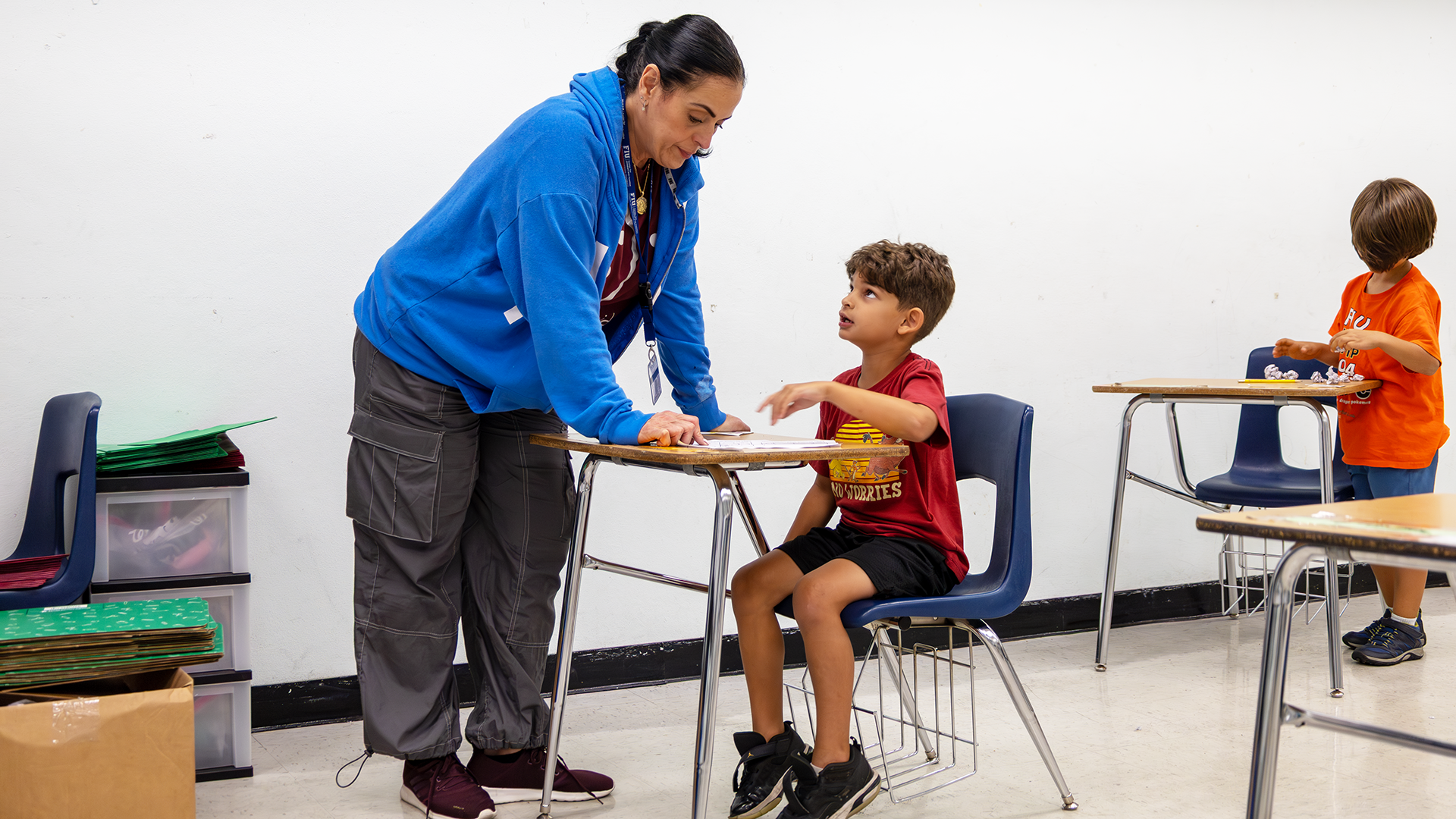
The transformation is just as visible to those working alongside the children.
“One of the most rewarding parts is seeing their growth from the beginning of the program to the end,” said counselor Gabriela Coronado '23, “not just academically, but behaviorally and socially too.”
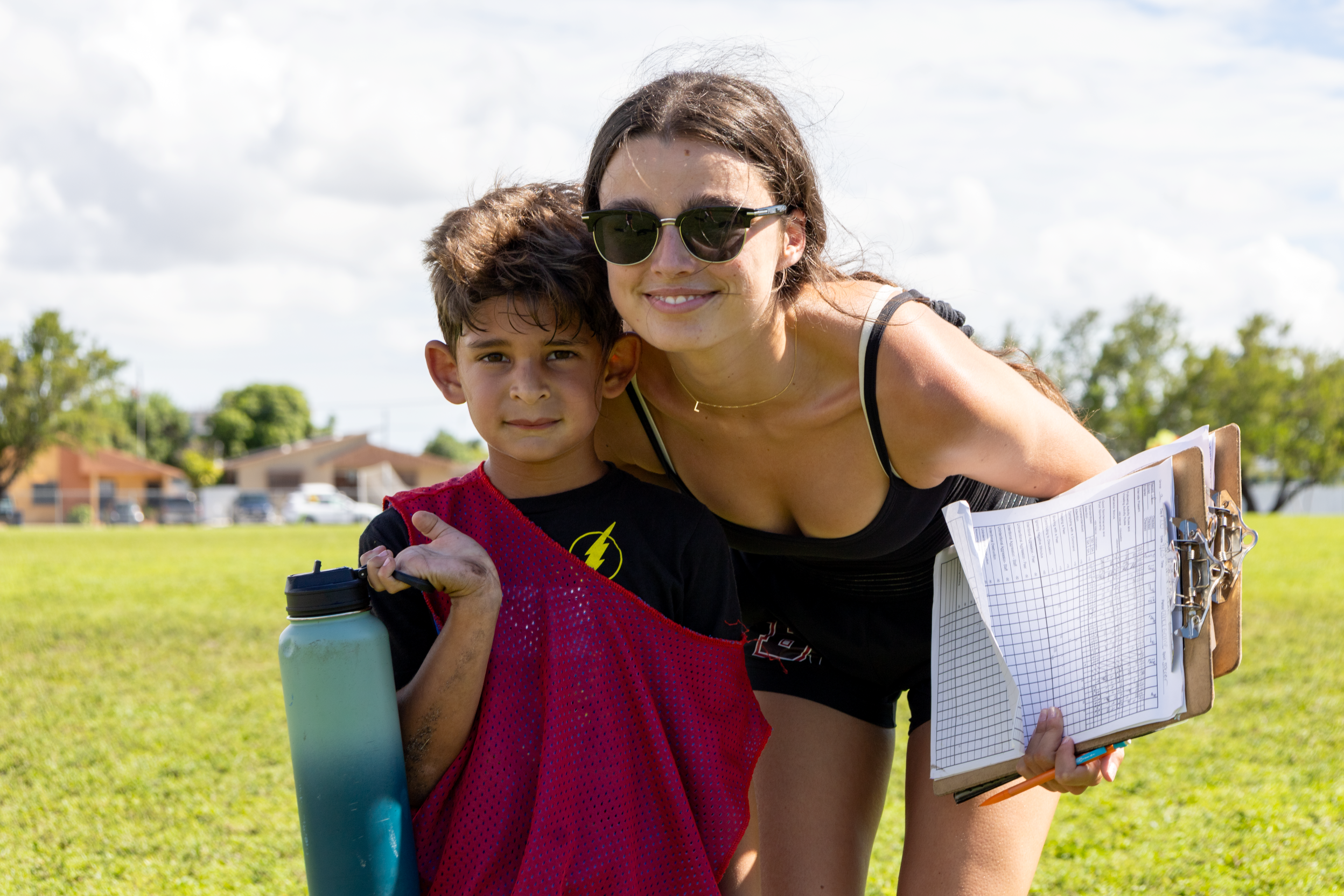
Santiago returned to school with more confidence and a new path forward.
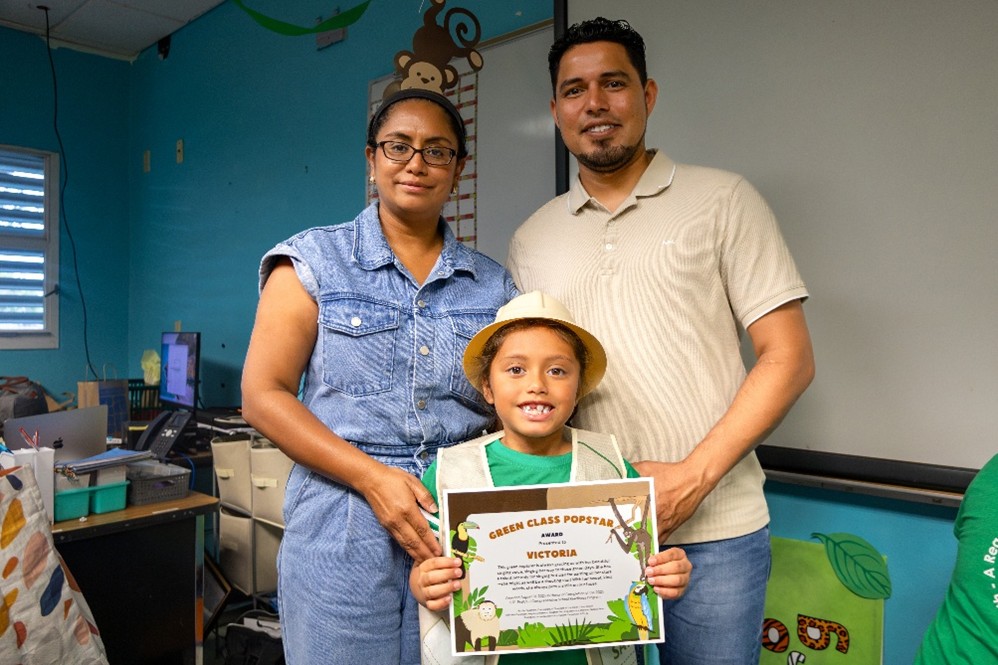
Victoria's family found the same thing.
Before the program, Victoria struggled with hyperactivity, behavioral outbursts and daily frustrations that affected the entire household. The changes her parents have seen since are hard to overstate. She now responds when called, understands expectations like timeouts and, on the very first night her family implemented what they learned, slept in her own bed.
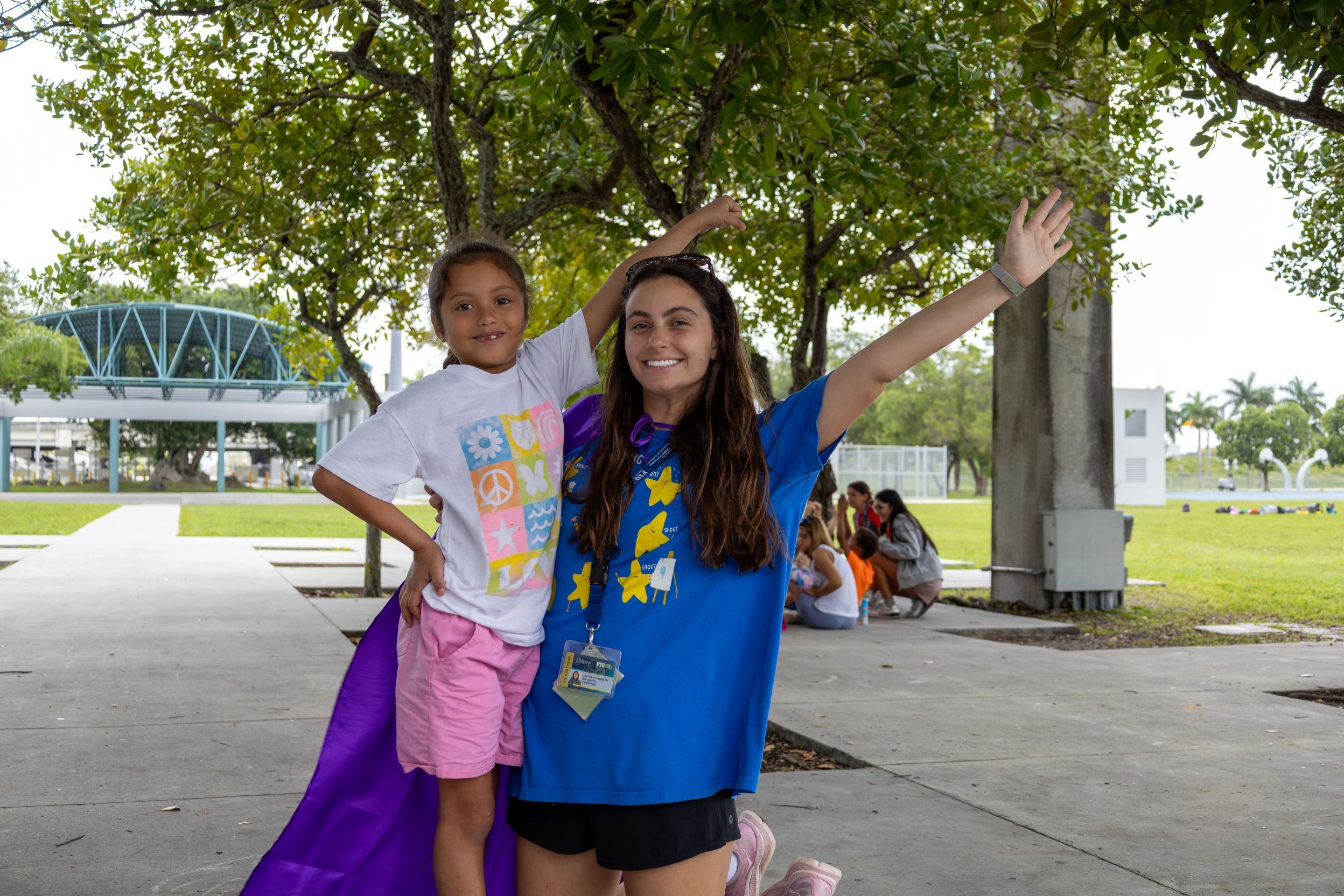
"The change has been remarkable," her parents said.
More than one program
The Summer Treatment Program may be the center’s flagship program, but it is only one part of the center’s work.
Through their Reading Explorers Program, trained tutors reach children across more than 120 summer sites in Miami-Dade and Broward counties, serving more than 3,000 children last year alone.
The Children’s Trust Parent Club at FIU offers free parenting workshops in English, Spanish and Haitian Creole, meeting families in libraries, schools and community spaces across Miami-Dade County. Since launching in 2019, the program has reached nearly 30,000 families and was recently named Program of the Year by The Children’s Trust.
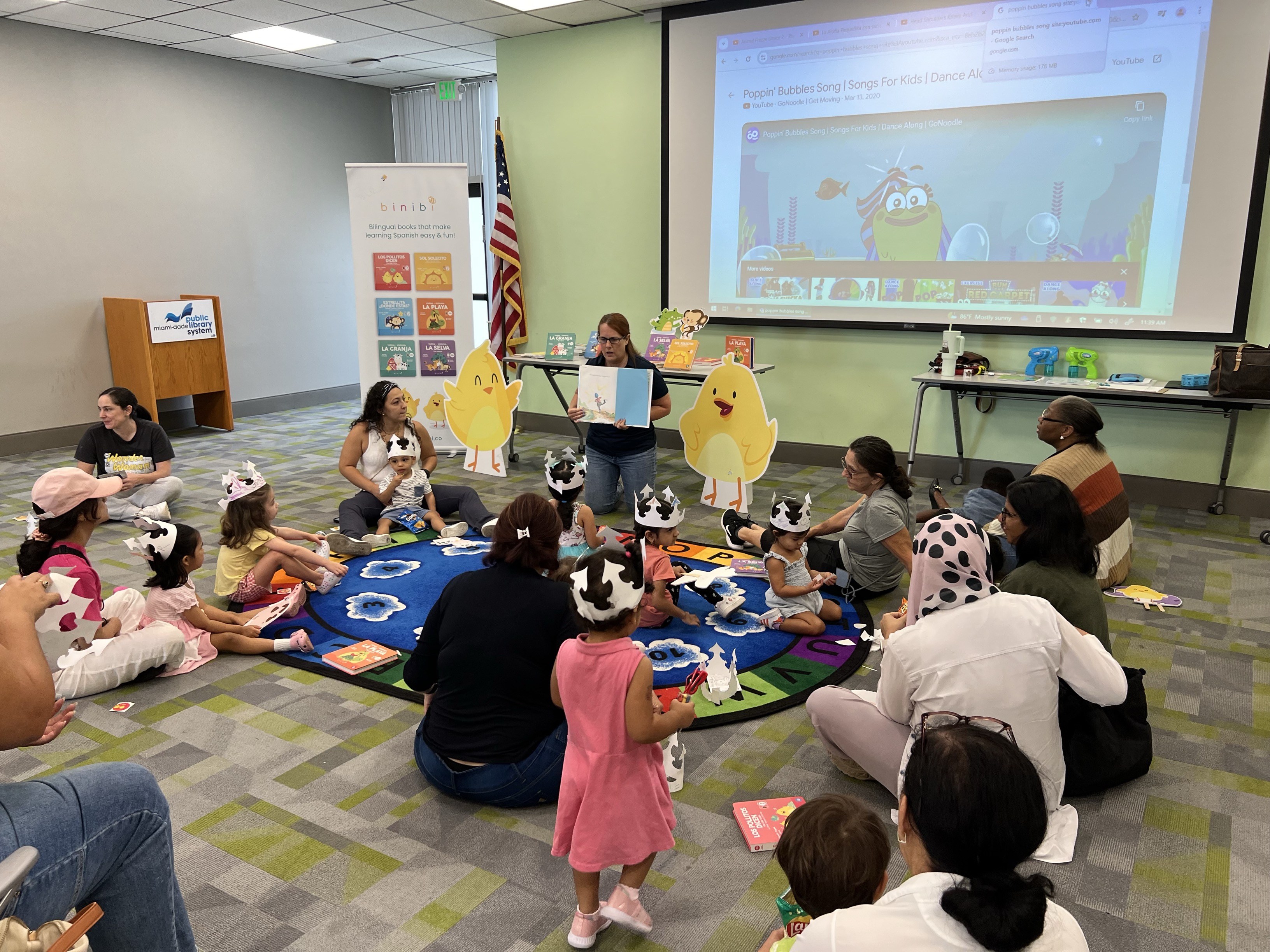
In partnership with the FIU Herbert Wertheim College of Medicine, families can also access integrated care that supports both mental health and medical needs. The center provides comprehensive psychiatric evaluations to better understand a child’s strengths and challenges, along with clear recommendations to guide support at home and in school.
“Miami is one of the most diverse cities in the world, and our families deserve care that reflects that,” said Katie Hart, director of the Center for Children and Families. “Everything we do is built around meeting families where they are, in their language, in their community and at a cost they can manage.”
Bridging the gap and the work ahead
Despite that progress, the need continues to outpace available resources.
The center has created multiple pathways to make care more accessible. Families who qualify for research studies can receive treatment at reduced or no cost while contributing to advances in care. Sliding scale fees help others access services, and community donations help fill the remaining gaps.
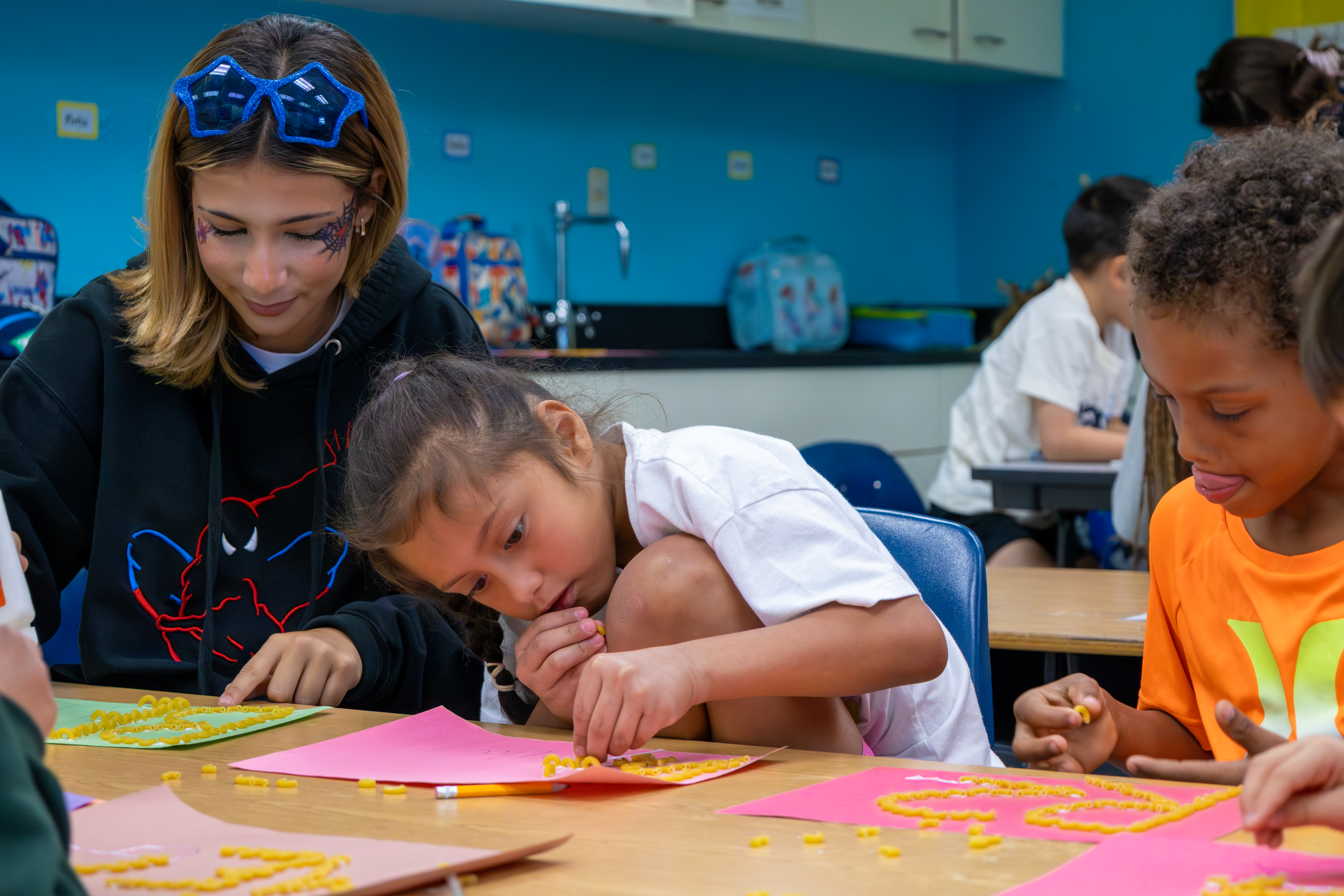
For families like Santiago’s and Victoria’s, that support made all the difference. Neither family could afford the Summer Treatment Program, and insurance would not cover it. Donor-funded scholarships through Give Miami Day made their participation possible.
“I’m so grateful there are people who care enough to help families like mine,” Santiago’s mother said. “This experience reminded me that my child matters and that we’re not alone.”
Victoria’s parents saw change begin in the very first week, not just in their daughter, but across their family. “Receiving the scholarship was incredible,” they said. “From the first week of the program, we saw remarkable change, and it has only grown from there.”
Recent support from the Robert J. and Kathryn C. Potter Charitable Foundation is helping the center continue that work, including creating bilingual resources to help families navigate the complex mental health system.
“As funding for mental health services becomes increasingly uncertain, programs like this are directly impacted,” said Robert J. Potter. “That is why we are committed to supporting organizations that are making a real difference.”
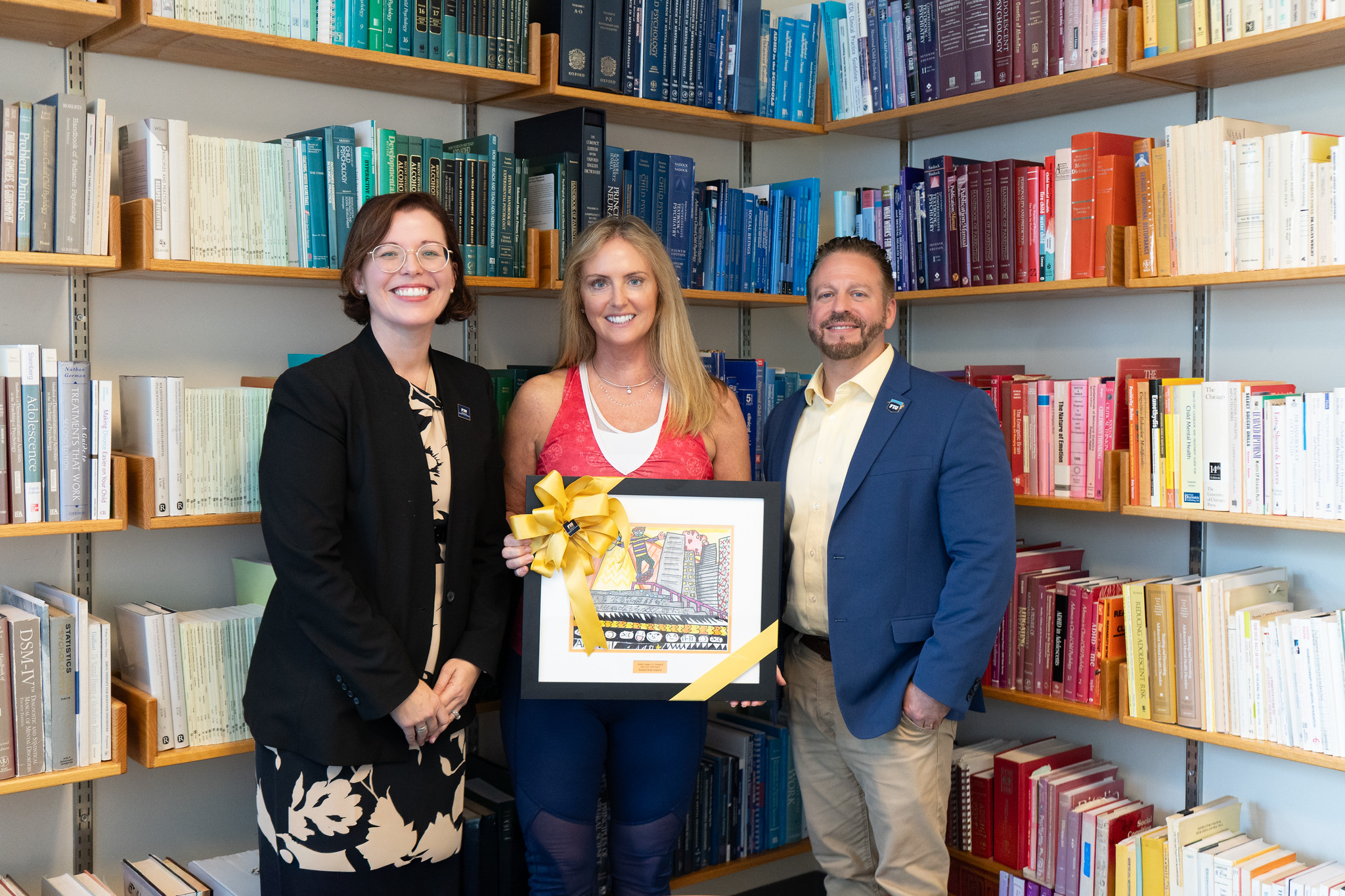
For Pettit, that kind of support is essential.
“Donations allow us to act quickly,” he said. “We can fund a child’s care, support our clinicians and remove barriers for families without delay. Every gift, no matter the size, helps us reach more families.”
For many families, access to care can change the trajectory of a child’s life. But for others, the search for help is still ongoing.
The work at FIU’s Center for Children and Families is helping close that gap, one child and one family at a time. And until every family can access the care they need, the work is far from over.