

How studying sustainability in Southeast Asia changed the way I see international business
Honors College student Cesar Rodriguez, an international business major, recently returned from FIU's study abroad trip to Malaysia, Singapore and Brunei. The program is sponsored by the Honors College exclusively for its enrolled students, but plenty of other study abroad opportunities at the university are available to all.
Rodriguez shares what he learned during the three-week excursion and encourages his fellow Panthers to embrace unfamiliar experiences for the love of learning.
Before boarding my flight to study abroad in Southeast Asia this summer, I expected to learn about different cultures, try new foods and visit places I have just seen only in photos. What I didn’t expect was to completely rethink what international business looks like when sustainability becomes part of every decision.
As an Honors College student majoring in international business, I had the opportunity to participate in the Honors College's “Malayporei” study abroad program, which took us to Malaysia, Singapore and Brunei. Over three weeks, our group explored how governments, businesses and local communities are working toward the United Nations Sustainable Development Goals while preserving their cultural identities. Every destination became a classroom, allowing me to connect concepts I had previously learned in lectures to real-world examples.
Before heading abroad, our learning began in the classroom through the course led by assistant teaching professor Marcela Lopez Bravo. It prepared us academically and personally for the experience. I got to know my classmates and the instructor who would later become my travel companions, allowing us to build bonds and friendships before arriving abroad. As part of the course, we participated in a Collaborative Online International Learning (COIL) project with students from Universiti Malaya. Our class met virtually with them over the summer, and we discussed global issues including international tensions between the United States and Iran, and their effects on the global economy. The project concluded with a conference at Universiti Malaya in Kuala Lumpur, and there where we finally met our Malaysian peers in person.
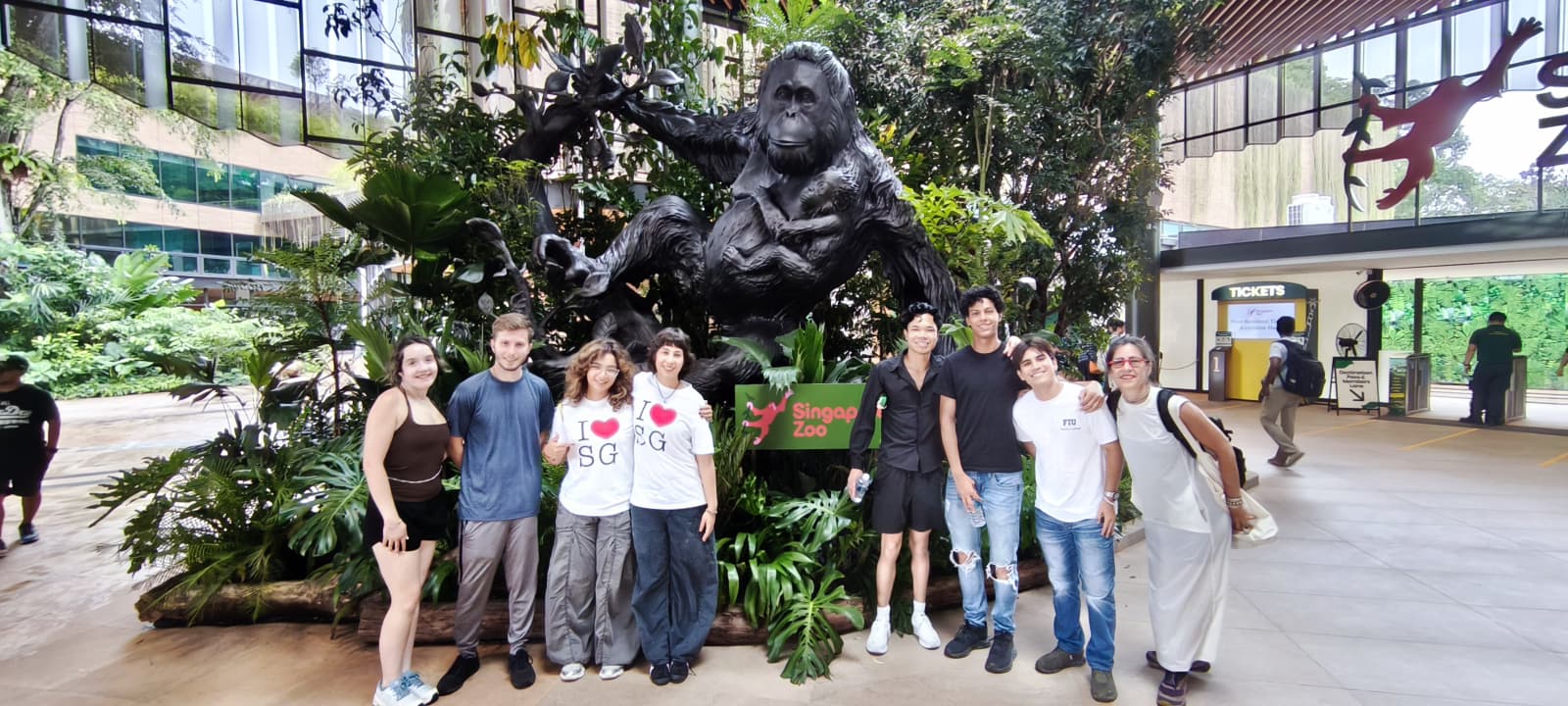
Honors College students with their faculty director, Marcela Lopez Bravo, at the Singapore Zoo
Although we had already knew each other virtually, meeting in face to face felt completely different. At first, both groups were a little nervous, but those feelings quickly disappeared as we began to interact. We discovered that despite growing up on opposite sides of the world, we shared many of the same interests, including music, video games, sports and even similar concerns about our future careers.
Together, we visited Petronas Twin Towers, where we admired Kuala Lumpur from the observation deck before sharing lunch. During our meal, we exchanged stories about student life, our educational systems, family traditions and religious practices. I was fascinated by how Malaysia’s multicultural society shapes everyday life, and our Malaysian peers were equally interested in learning about life at FIU and the cultural diversity of South Florida. Later, they taught us how to navigate Kuala Lumpur’s public transportation system as we traveled together to the National Museum of Malaysia. Exploring the museum together sparked discussions about Malaysia’s history, independence and cultural heritage, allowing us to compare our own perspectives and deepen our understanding of the country. By the end of the day, what had begun as an academic collaboration had grown into genuine friendships, reinforcing that international education is as much about building human connections as it is about learning inside the classroom.
One of the most impactful parts of the experience was seeing sustainability in action rather than simply reading about it. In Singapore, I was amazed by how a densely populated city has integrated nature into urban life. Walking through Gardens by the Bay, visiting MacRitchie Reservoir and learning about wildlife conservation at Mandai Wildlife Reserve demonstrated that economic growth and environmental stewardship do not have to compete with one another. They can complement each other.
Malaysia offered a different perspective. In Penang and Melaka, centuries-old temples, markets and historic districts illustrated how preserving cultural heritage contributes to sustainable communities. Visiting places such as Kek Lok Si Temple, Cheng Hoon Teng Temple and Jonker Street reminded me that sustainability is not limited to protecting the environment. It also means safeguarding traditions, supporting local businesses and ensuring future generations can continue experiencing their story.
 .
. 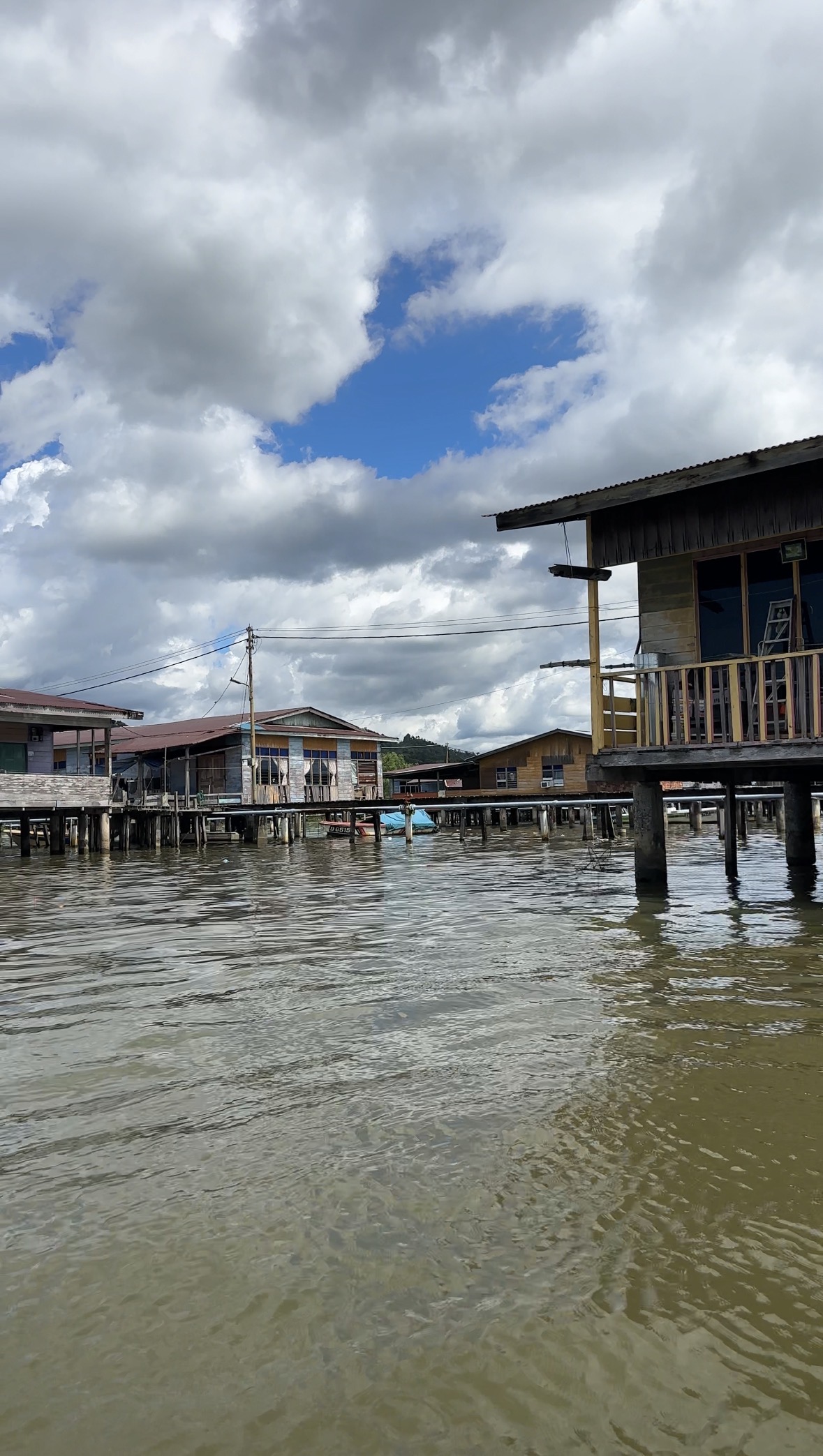
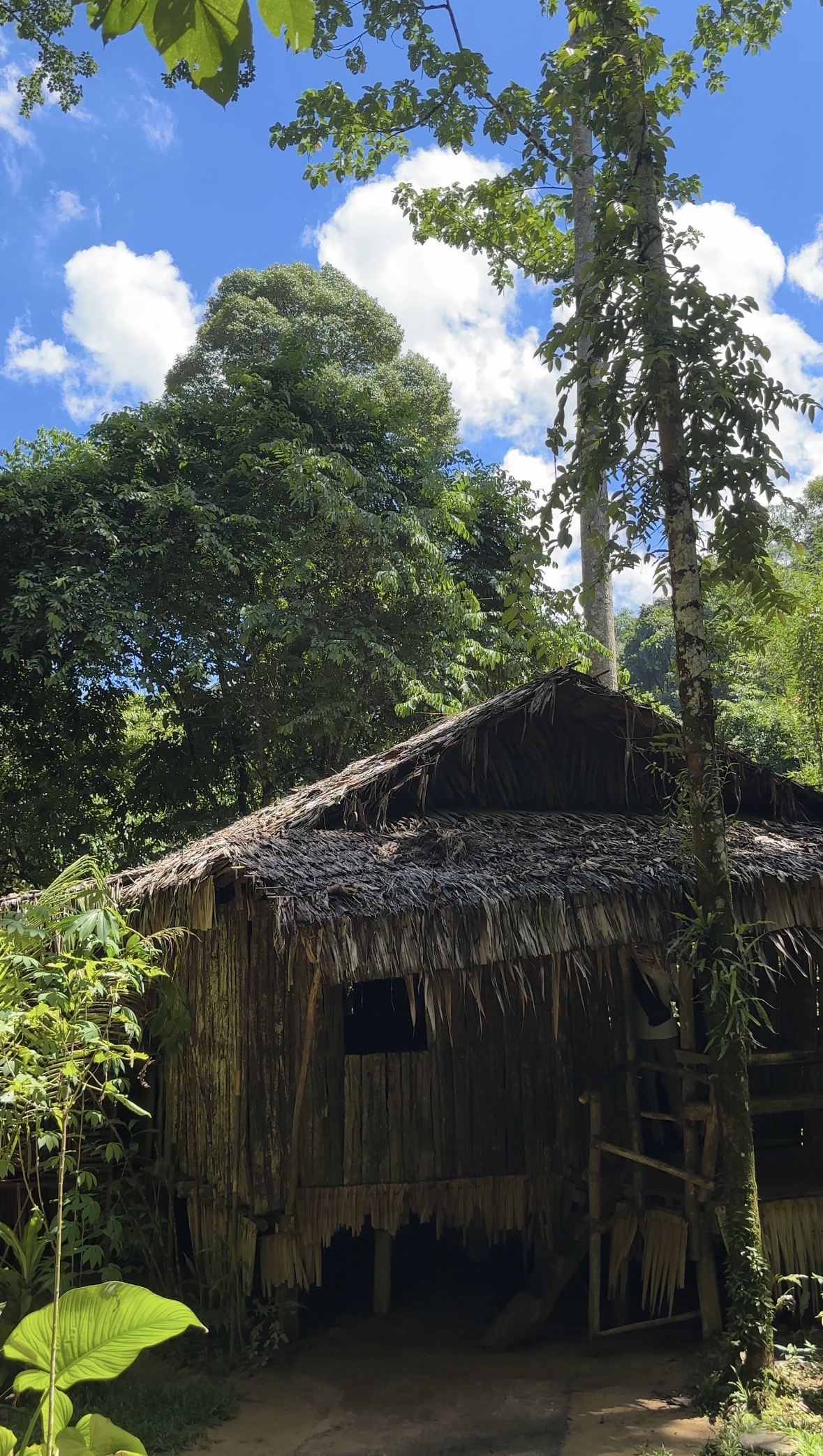
Mari Mari cultural village, Malaysia Kampong Ayer water village, Brunei
As an international student from Ecuador, I no longer see international business as only expanding into international markets or increasing profitability. Instead, I recognize that successful organizations must also consider environmental responsibility, cultural preservation and social impact. The UN's Sustainable Development Goals provided a framework that connects every country we visited, demonstrating that business, government and communities all have a role in creating a more sustainable future. Looking back, I realize this study abroad program was about much more than travel. It strengthened my confidence, expanded my worldview and reinforced why I chose to study international business in the first place. It also inspired me to seek future career opportunities that combine global sustainability, international relations, diplomacy and responsible leadership.
To any FIU student considering studying abroad, my advice is simple: Go. Step outside your comfort zone, ask questions, embrace unfamiliar experiences and remain open to new perspectives. The places you visit will leave lasting memories, but the lessons you learn about yourself, and the world, will stay with you long after you return home.