

Alumna Maria Bazo Perez '23, Ph.D. '25 is shedding light on a demographic often left in the shadows of eating disorder research: middle-aged women.
Eating disorders among women between the ages of 45 and 65 are not new, but the rate of illness is growing. Teen girls and young women who suffer from eating disorders often are diagnosed with anorexia or bulimia, disorders that can result in drastic weight loss. As women age, binge eating and night eating syndrome is more common, often resulting in weight gain.
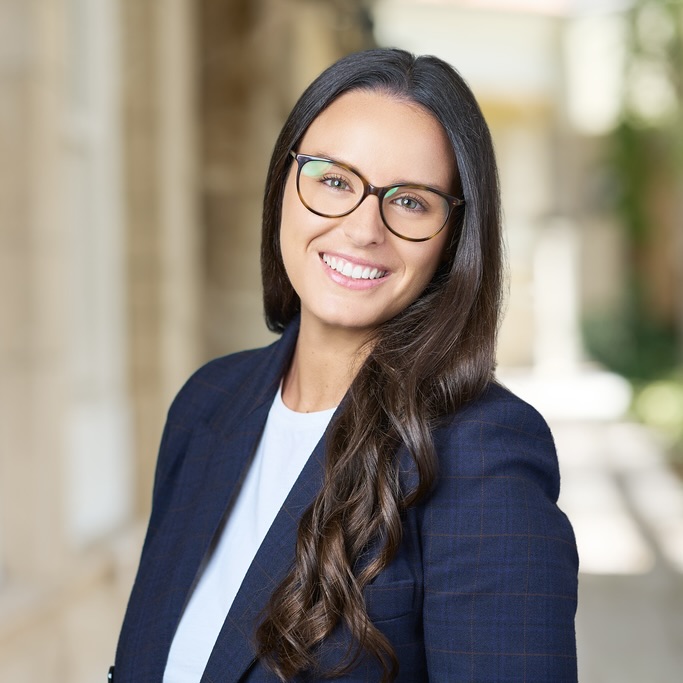 "Middle-aged women have always had eating disorders,” Bazo Perez said. “They were just misdiagnosed or never assessed."
Bazo Perez examined the intersection of biology, psychology and social factors. While younger women might be influenced by identity development, women in midlife typically face life transitions like divorce, the passing of parents or empty nest syndrome. Biologically, changes like childbirth or the redistribution of body fat during menopause move women further from the thin ideal celebrated by society. A woman’s experience with menopause can predict her eating disorder behaviors, Bazo Perez said. Those women who find menopausal symptoms to be debilitating are more likely to develop an eating disorder. The findings were published recently in the Journal of Eating Disorders.
Bazo Perez points out middle-aged women have trouble accepting help because they believe they should have their act together by midlife, which frequently leads them to hide their behaviors.
“Many women struggle prioritizing themselves and their health, which adds to the barrier of seeking help,” she said.
By the time these women get help, many times their cases are severe. Bazo Perez warns that the current "Ozempic era" has exacerbated these issues.
A key focus of Bazo Perez’s work is making screenings more equitable by promoting health at every size.
She notes that since standardized screenings for various life stages have not been established, older women are often assessed and treated differently. Though the field is currently pushing to revamp assessments, she suggests physicians keep in mind life stages and what the women are dealing with when treating them. Doctors need to be asking their patients more about their eating habits, she said. They need to look at why the eating disorder developed in the first place and what the triggers were.
"All women are exposed to societal pressures," she says. "We need to revamp assessments so that no matter the age, gender, or ethnicity, patients are being asked the right questions. That screening at the primary care doctor needs to be done ASAP."
As an international student from Spain, Bazo Perez incorporated the Hispanic community into her research.
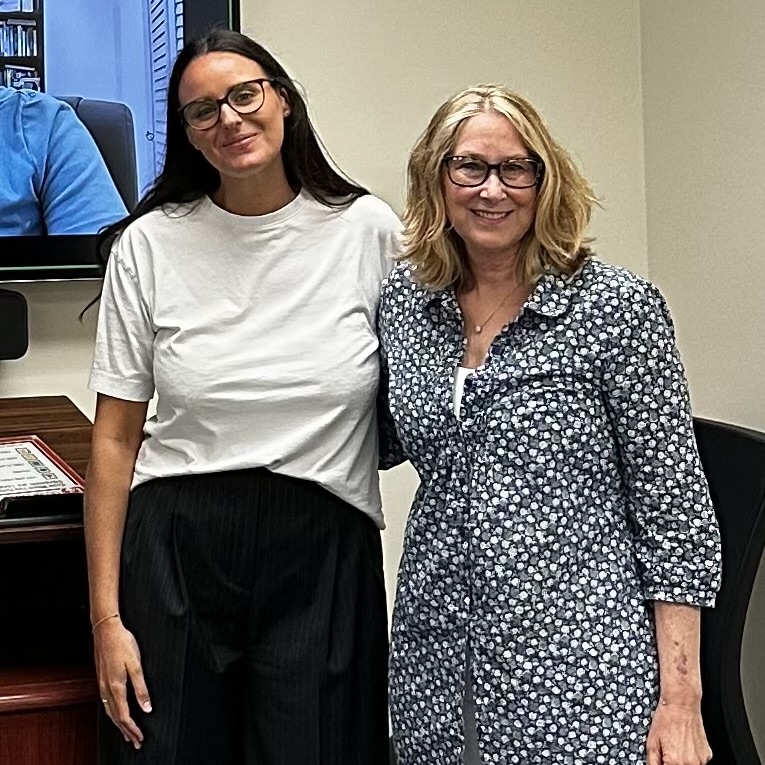 “Maria embodies the highest level of excellence in both rigorous scholarship and the application of that scholarship to make real-world impacts,” said FIU psychologist Leslie Frazier. “She is a model of how we want our students to engage in translational research to better the lives of people coping with clinical and mental health problems.”
After graduating with her doctoral degree from FIU last year, Bazo Perez accepted a position at Galen Hope, a mental health and eating disorder facility in Miami, where she serves as the research manager. She is currently implementing longitudinal research that tracks high-risk patients.
She is also working to establish a parent-integrated program that will give them deeper insights into the family dynamics and long-term recovery. Her goal remains clear: advocating for health at every size and ensuring that as women age, they don't become invisible to the medical community.