

Rewriting the odds for glioblastoma patients
Glioblastoma is the most aggressive and deadliest form of brain cancer.
Most patients survive only about a year after diagnosis, and just 5% make it to five years. Dr. Minesh P. Mehta is leading the charge to improve these survival outcomes.
A nationally recognized expert in radiation oncology and neuro-oncology, Dr. Mehta is combining precision radiation technology, innovative clinical trials and new insights into the immune system to bring hope to patients who urgently need better options. Over his career, he has designed and led numerous national and international studies and secured major research support from the National Institutes of Health and the National Cancer Institute.
Dr. Mehta most recently led the Phase II clinical trial (NRG-BN001) with a national, multicenter team to explore whether higher-dose radiation delivered with proton therapy could improve outcomes for newly diagnosed patients. Proton radiotherapy is known to help spare healthy brain tissue — including immune cells called lymphocytes that help the body fight cancer — compared with traditional radiation.
Results were encouraging. Patients treated with proton therapy saw a 6.8% improvement in survival at two years and a 4.6% improvement at three years. This translated to a 19% reduction in the risk of death during the study period, along with fewer cases of lymphopenia, pointing to better immune preservation and safety.
The study is now advancing to a Phase III trial to confirm whether this approach can become a new standard for glioblastoma treatment.
“These findings are encouraging, not only because they show a potential survival benefit, but because they underscore that we can improve outcomes without compromising quality of life. That is the future we are working toward.”
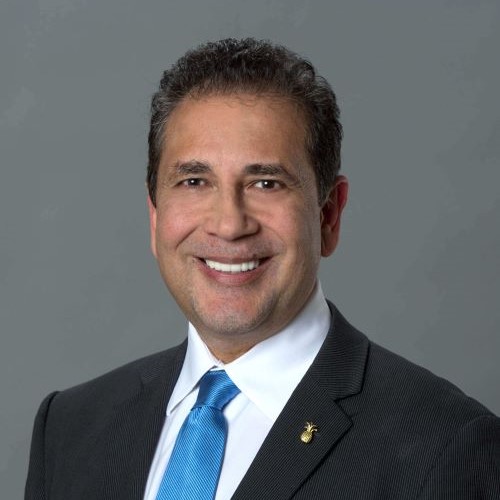
Minesh P. Mehta, M.D.
Chair of Oncological Sciences Herbert Wertheim College of Medicine
Chief of Radiation Oncology and Deputy Director
Baptist Health Miami Cancer Institute