

The power of Dad: FIU researchers explore fathers' role in children's well-being
Research shows fathers and father figures can help children build social skills, emotional resilience and healthy relationships. Yet despite their influence, fathers remain underrepresented in many parenting programs, mental health services and research studies.
Researchers at FIU’s Center for Children and Families say the issue isn't a lack of interest.
"We keep hearing the same thing: moms and kids wanting fathers more involved," says Ali Giusto, assistant professor of psychology. "When we talk to the dads, they want the same thing. They just don't know where to start, and the systems that exist weren't built with them in mind."
Melissa Baralt, professor of applied psycholinguistics, studies how fathers influence children's language development, particularly in bilingual families. Working with collaborators Naja Ferjan Ramirez at the University of Washington and Ashley Darcy Mahoney of George Washington University and Baptist Health, Baralt helped conduct one of the first studies examining how Hispanic fathers communicate with their infants in everyday life.
The team found that fathers make unique contributions to their children's language environments and that those contributions are linked to infant language development.
"Children learn language through relationships," Baralt says. "While mothers have traditionally been the focus of early language research and intervention, fathers provide essential opportunities for conversation, play, storytelling and interaction."
Her research suggests fathers contribute in ways that complement mothers, rather than simply reinforcing what mothers are already doing.
One of the study's most interesting findings involved infant-directed speech, often called "parentese," the warm, engaging speaking style adults naturally use with babies. Researchers found that fathers who used more parentese had babies who vocalized more and engaged in more back-and-forth interactions.
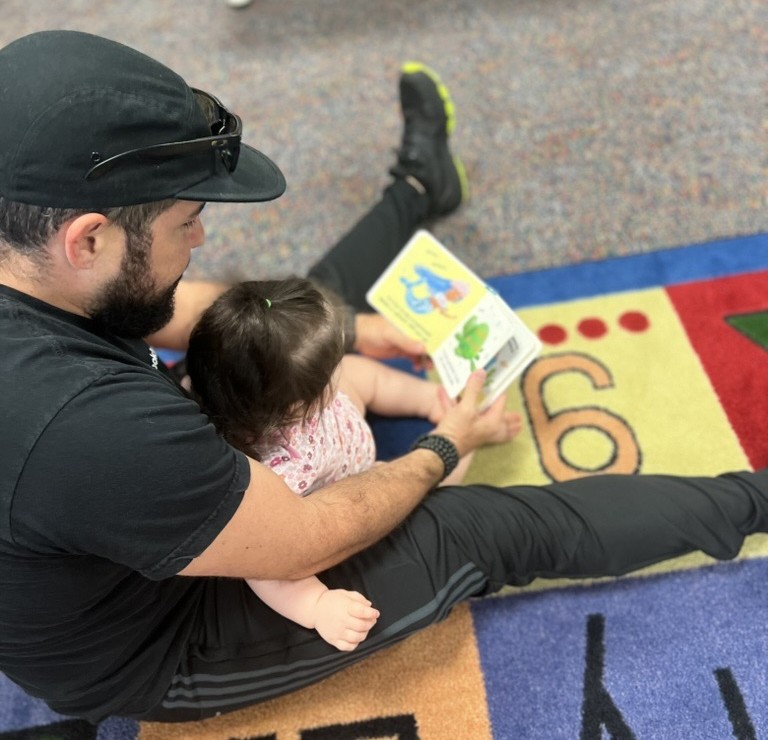
"When fathers used the warm, engaging speaking style that naturally captures babies' attention, children responded with more communication of their own," Baralt says.
The team also found that fathers who knew more about language development were more likely to engage in language-rich interactions with their children.
While Baralt's work focuses on infancy, Gregory Fabiano, professor of psychology, studies how fathers influence children's development later in childhood.
To help engage fathers, Fabiano and his colleagues developed COACHES, a parenting intervention that uses father-child sports activities to teach positive parenting skills.
The program combines parenting instruction with soccer training. Fathers learn strategies such as how to recognize positive behavior and give effective instructions, then practice those skills during games with their children.
Studies have shown that fathers in COACHES use more positive praise, fewer critical comments and are more likely to stay engaged in treatment than participants in traditional parenting programs. Fabiano and his team have seen similar results in clinical, preschool and elementary school settings.
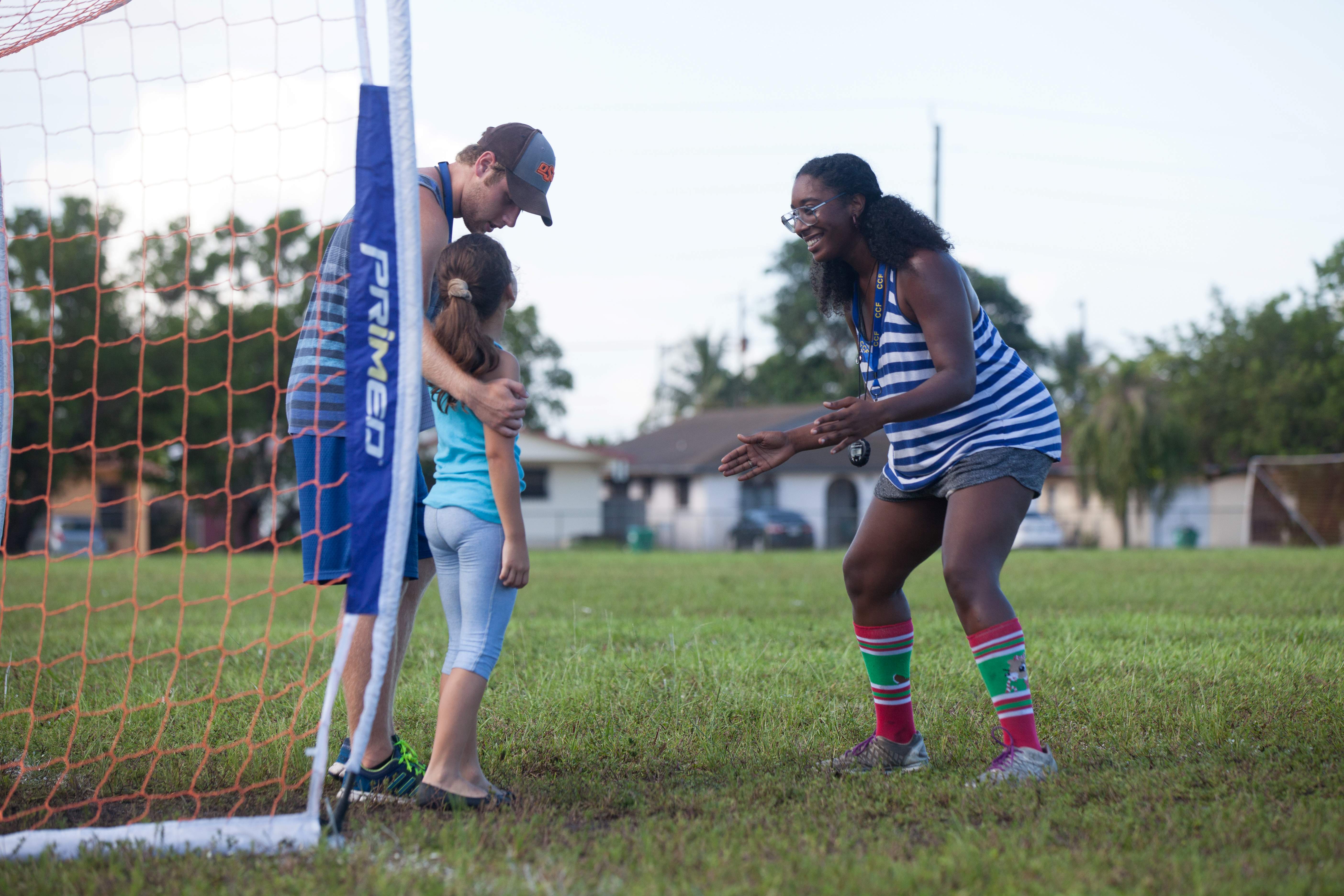
"Dads make unique contributions to child development, including in the development of speech and language, social skills and peer relationship skills, and academic achievement," Fabiano says. "Their positive role can also improve overall family functioning and reduce stress for other caregivers."
"Fathers are still under-emphasized and under-engaged in clinical work," he adds. "They are potentially a key, untapped resource."
Years after participating in the program, one father stopped Fabiano to share an update about his son.
"He said, 'Remember when you said we should focus on saying all those positive things to my son? It changed my life, it changed his life, it changed my whole family's life,'" Fabiano recalls.
Giusto's work focuses on another often-overlooked factor: fathers' own mental health.
In Kenya, her team developed LEAD, a five-session intervention delivered by peer fathers rather than clinicians. The program targets depression and alcohol use, both of which are linked to family conflict and children's mental health outcomes.
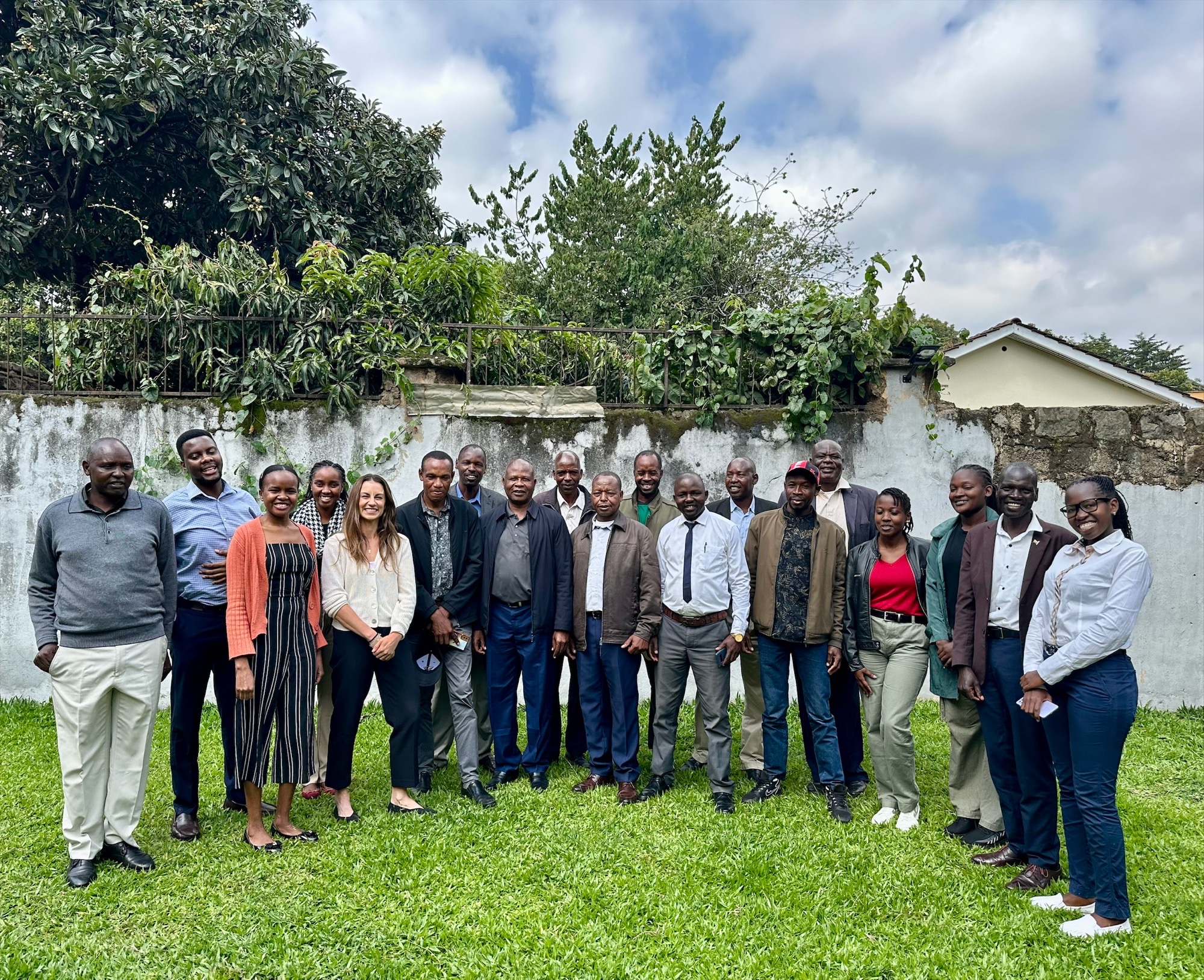
Fathers who completed the program were more than five times as likely not to drink on a given day in the month after treatment. Researchers also saw improvements in depression, family relationships and mental health outcomes for fathers, partners and children.
"What was especially encouraging was that 97% of fathers completed all five sessions," Giusto says. "In a setting where men rarely seek help at all, that kind of engagement matters."
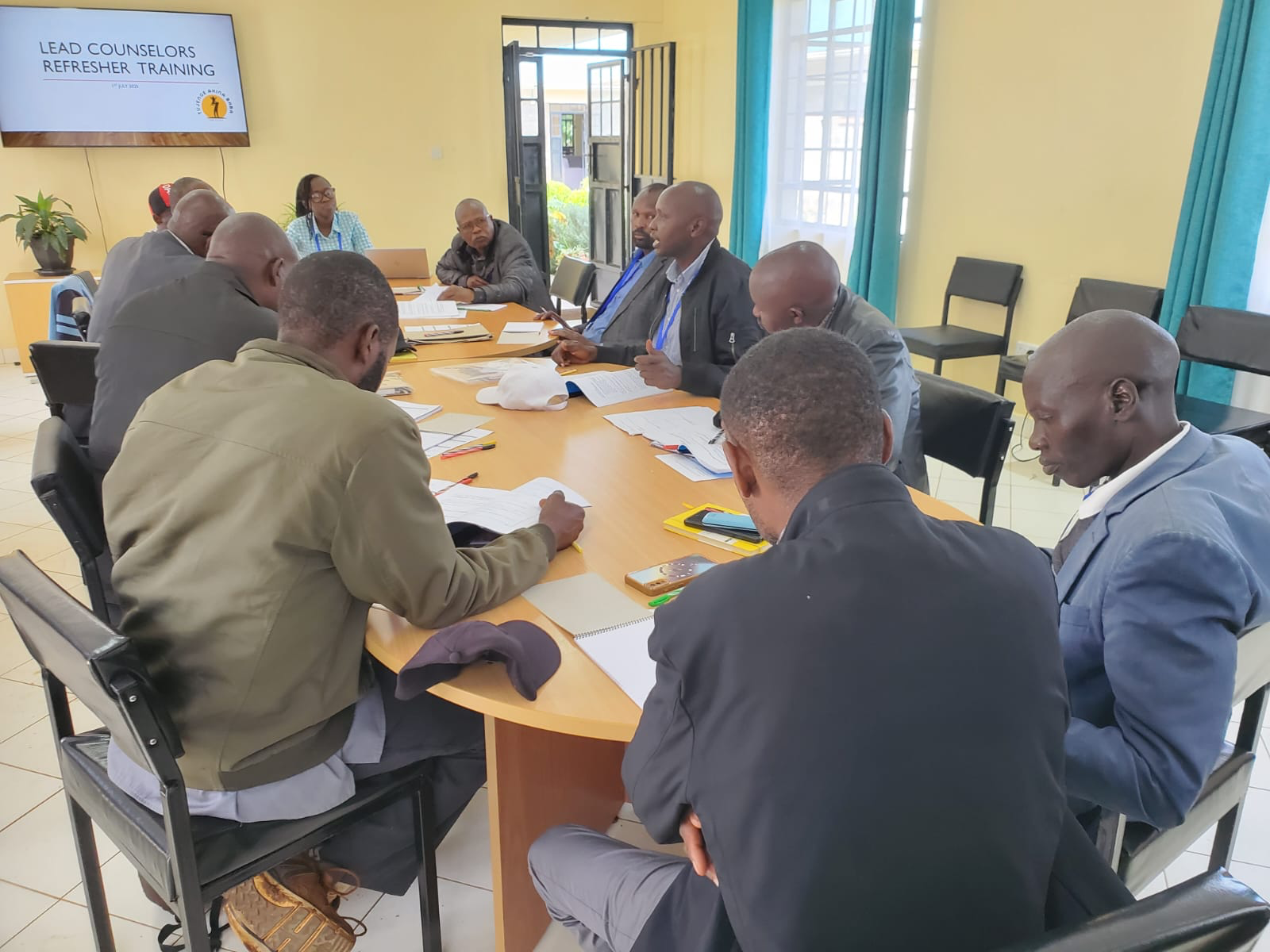
Giusto and her team recently launched the South Florida Fathers Network Project, which will begin by simply listening to fathers and identifying where they already seek support before working with community partners to design programs that meet their needs.
"The core problem we keep coming back to is that fathers are largely absent from mental health and family support systems, even though their well-being has a direct impact on their kids," Giusto says.
The researchers approach fatherhood from different angles—language development, parenting and mental health—but they arrive at a similar conclusion: fathers want to be involved, and children benefit when they are.
Baralt hopes the research helps more fathers recognize that everyday interactions matter.
"We want every father to know that something as simple as talking, singing, telling stories and having conversations with their child can have a lasting impact on that child's development," she says.
"We need more father-friendly programming that acknowledges fathers' schedules, strengths and experiences," Baralt says. "We also need more research that recognizes fathers as central contributors to children's development rather than secondary participants."
Dads: Help us advance science!
Our researchers at FIU's Center for Children and Families are currently recruiting fathers to participate in studies focused on early language development, parenting and family well-being.
For Latino fathers of infants
Researcher Melissa Baralt and her team are recruiting Latino fathers of babies under 7 months old for a paid study on early bilingual language development. Participants can complete the study from home and may earn up to $260.
Learn more and see if you qualify: https://redcap.iths.org/surveys/?s=LHCPKXTADLMLHR98
For fathers and father figures in South Florida
Researcher Ali Giusto and the South Florida Fathers Network Project are seeking fathers and father figures to share their experiences related to parenting, mental health, well-being and support systems. Participants will complete a one-hour Zoom interview and receive a $40 gift card.
Learn more: https://www.raisefamilylab.com/research