

What’s the connection between ultra-processed foods and obesity?
An obesity researcher who studies the link between ultra-processed foods and weight gain calls upon colleagues across fields to examine how science and society can promote changes for better health.
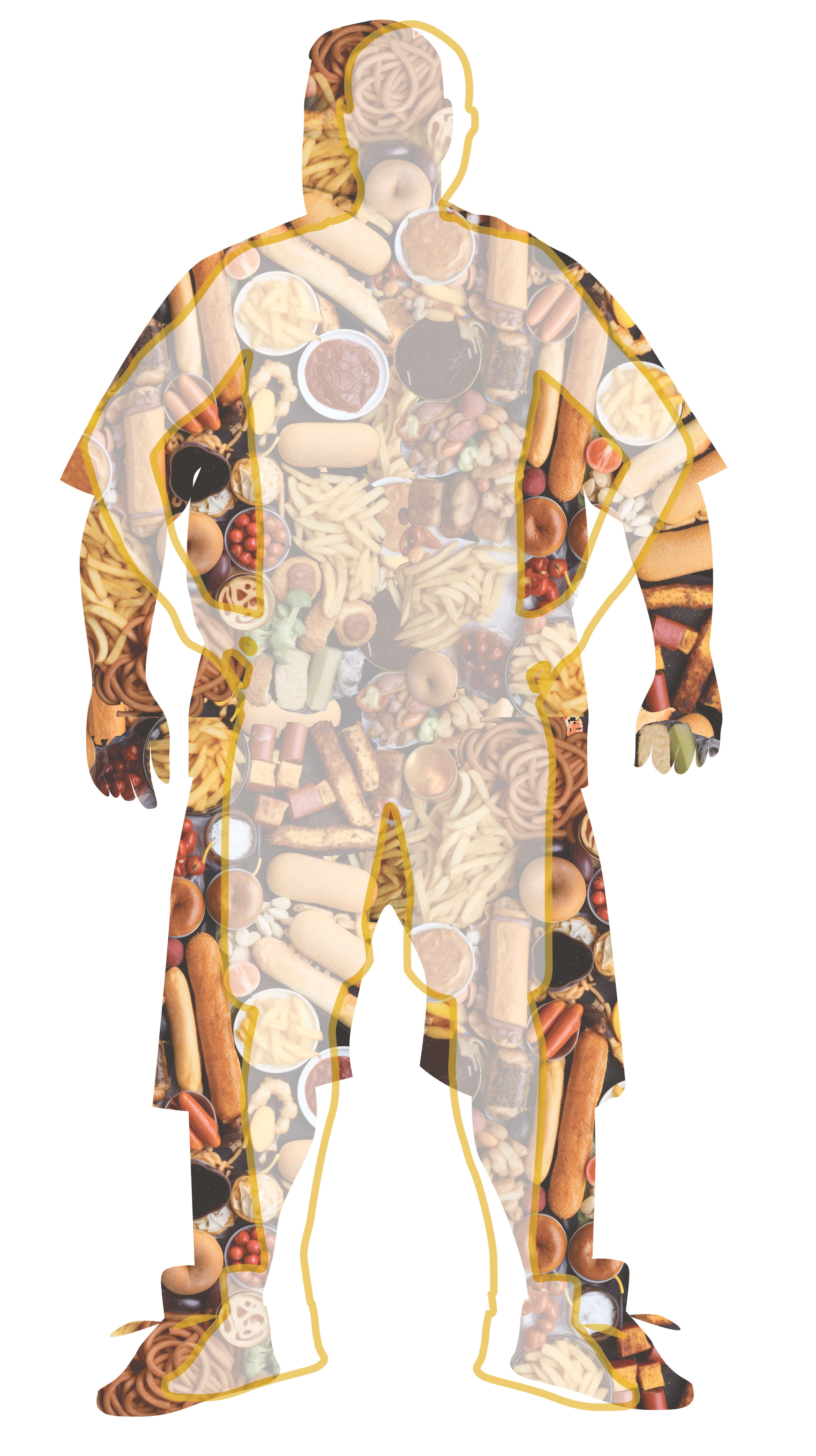
A combination of factors has contributed to the American epidemic of obesity — among them increased consumption of nutritionally poor foods, decreased physical activity and environmental influences such as urban sprawl, not to mention genetics, insufficient sleep, stress and certain medications.
Obesity negatively impacts life expectancy, quality of life and mental well-being while also being a substantial economic burden due to increased healthcare costs.
While the national trend toward prescription weight loss drugs (GLP-1s) grows, combatting the health scourge holistically requires a multi-pronged approach.
Cristina Palacios recognizes the value of bringing together researchers across disciplines to tackle what has become a driver for other chronic diseases such as heart disease and stroke, type 2 diabetes and certain cancers.
As a lead on the university’s obesity research working group, Palacios has seen investigators from areas as diverse as landscape architecture and biomedical engineering join those in public health, nursing, medicine and psychology to work toward effecting change.
“To treat and prevent obesity requires many people at the table,” says Palacios, who is a professor of dietetics and nutrition at the Robert Stempel College of Public Health & Social Work. “You need different approaches, and we definitely need more policies around this as well as the food industry to also get on board.”
An expert in obesity prevention research, she consulted with the World Health Organization and the Pan-American Health Organization. She has also developed and validated food frequency questionnaires to evaluate intake and tested interventions in support of healthy eating through mobile apps, text messages and web platforms.

“We already have plenty of evidence, cross-sectionally and longitudinally, linking ultra- processed foods with obesity and weight gain.”
- Cristina Palacios
Her current work examines the association between consumption of ultra-processed foods (UPFs) and obesity. UPFs are produced with little to no whole foods and are high in sugar, salt, fat and artificial ingredients. They include soft drinks, packaged snacks and desserts, ready-to-eat meals and fast food. Lunchmeats, frozen pizza and many breakfast cereals fall into the category.
Manufacturers years ago hit on nutritionally nebulous, tastebud-pleasing goodies that research studies confirm to be addictive.
“You cannot eat just one,” Palacios says of items such as spicy chips, crème-filled cookies and cheesy crackers.
She explains that chemical additives paired with high levels of sweeteners and sodium make industrially processed foods “hyper-palatable.” Another catch: Their convenience and availability make resisting in the face of hunger almost impossible.
Following multiple studies of diet and weight gain in college-going young people, Palacios is in the early stages of establishing a university-wide project that she hopes will have broad implications. She has started discussions with the campus vending machine operator about including healthier options – already soda vendors have chosen to stock more bottled water in response to consumer demand - and plans to devise a nutrition
The seasoned researcher forges ahead with optimism in light of the recent federal ban on Red Dye 3 and the announcement of a voluntary phase out of other widely used synthetic dyes. New policies in Texas and California that ban some processed foods or additives from school lunches also have her hopeful that more positive changes will follow.
Promoting choices and lifestyles that prevent disease, Palacios reminds us that the price of treating obesity, and its attendant ailments, is high. Beyond the costs associated with doctor visits, dietetic services, fitness training and medications, poor quality of life remains the greatest toll of all.