

Middle schoolers who stayed consistently involved in extracurricular activities maintained stronger personal reasons to avoid drinking alcohol, according to a new study.
Rather than tracking actual alcohol consumption, FIU Ph.D. student Ella Diab and the research team focused on adolescents' attitudes and perceptions toward drinking. The study, published in the Psychology of Addictive Behaviors, followed a group of middle school students for multiple years, ages 10 – 15, from various geographical areas. The research focused on structured activities, which were defined as supervised and organized activities with rules and adults in charge. This included sports, organized groups or clubs.
The study reveals teens who continuously showed up and stayed engaged in a structured activity were less inclined to want to drink. Diab notes that these activities positively shaped the teens’ reasons against drinking.
Because peer groups begin to be more important than family influence during these formative years, she notes that early adolescence is a critical developmental period for intervention.
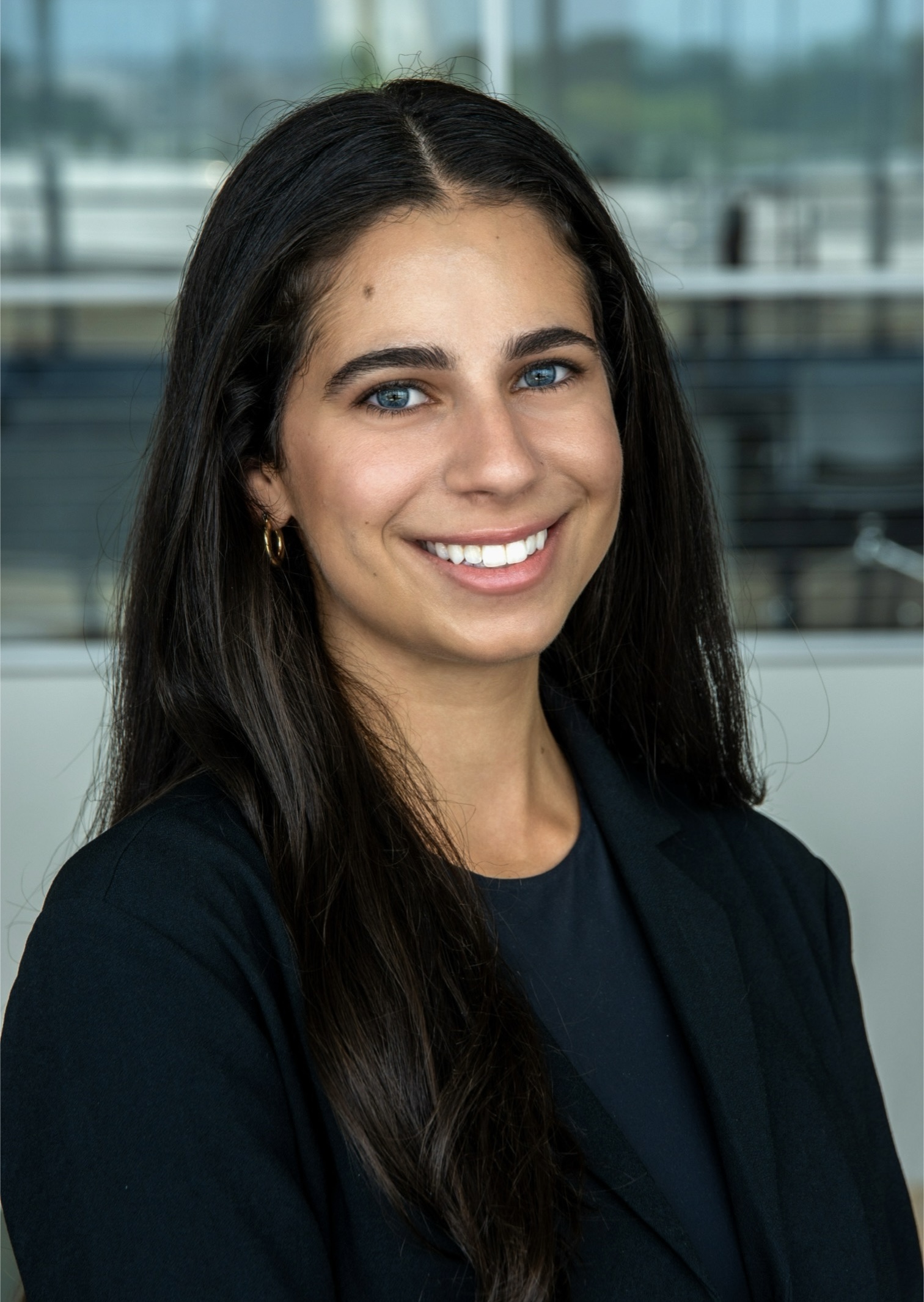
“They're going through a lot of growth biologically in their brains, but also socially,” Diab says. “Their peer groups are changing. The influence starts to become stronger from their peers than their family.”
She suggests instead of just dropping kids off at practice or a meeting, parents need to assess the quality of their child’s engagement and maintain open communication about their activities. They should talk to kids about how they’re doing in their activity, what they’re experiencing, and if they’re enjoying it.
In order to get a comprehensive look at these developmental changes over time, researchers tracked the same group of students across multiple intervals rather than taking a one-time snapshot. They measured descriptive drinking norms by asking about the frequency and quantity of alcohol use they observed among their same-age peers. They also examined specific reasons for abstaining, such as seeing negative effects of alcohol on others or worrying about its interference with schoolwork.
Diab suggests that further studies could dive deeper into peer environments within specific sports and clubs, explore the exact number of extracurriculars that are optimal for development, and evaluate the benefits of deep engagement in a single activity versus balancing a broad spectrum of interests.
Diab conducted the study while working at Brown University, under the guidance of Samuel Meisel, before beginning her Ph.D. at FIU. She is currently part of the clinical science program at FIU, working in the Research on Adolescent and Child Health (ReACH) Lab where she is focusing on adolescent substance use. Her research primarily centers around how social media use influences substance use in teens.