

If you’re planning for retirement (or are already enjoying it), you might be asking yourself the million-dollar question: How does someone slow down and smell the roses without losing the energy and motivation that often come with youth and top physical health?
Clinical psychologist Jennifer Martin has more than two decades of experience as a researcher and expert in both aging and sleep disorders. She is director of the Benjamín León Jr. Family Center for Geriatric Research and Education and professor at the FIU Herbert Wertheim College of Medicine.
Martin shares five things everyone can do to age well.
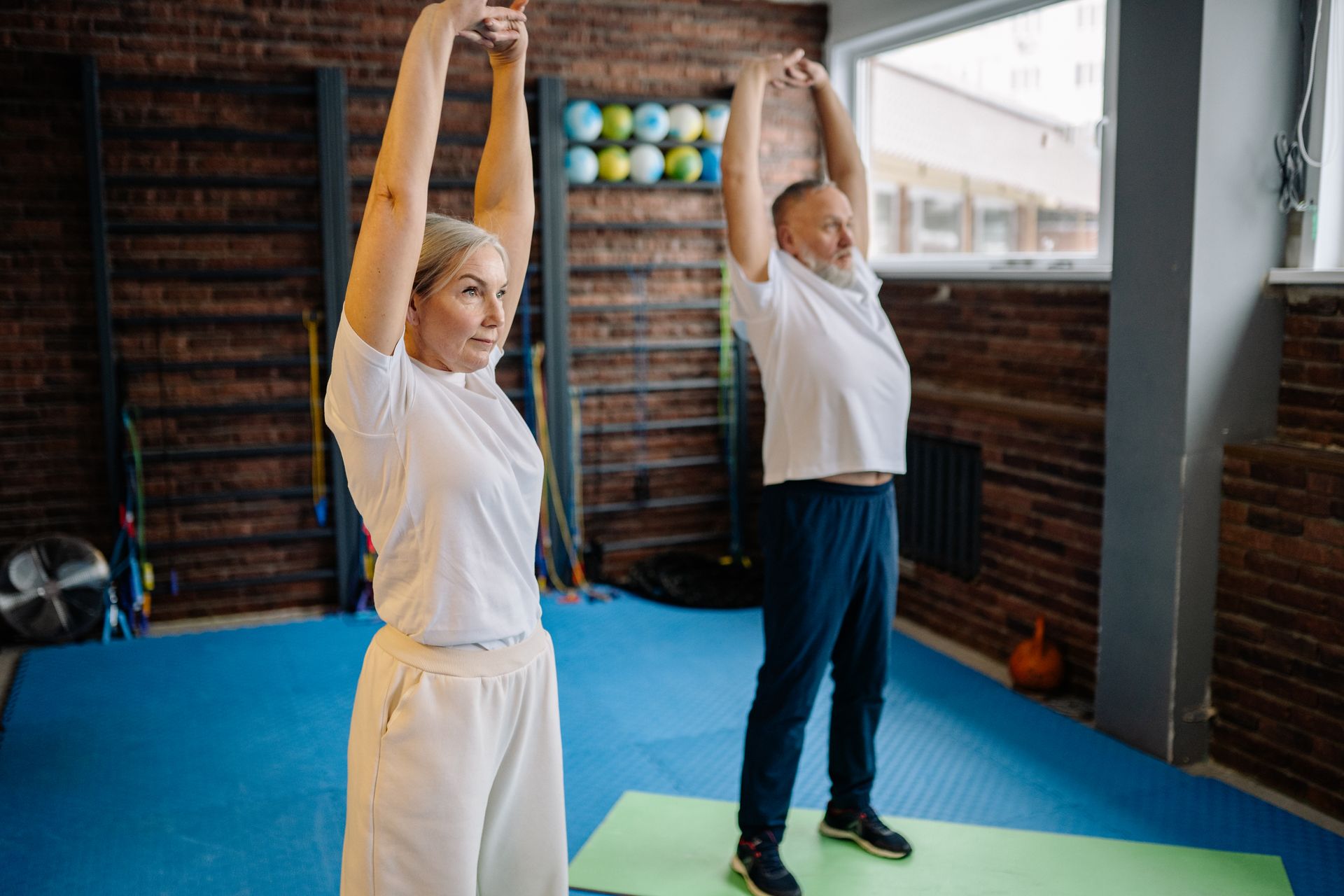
1. Stay active.
“It’s not surprising that one of the most important things we can do as we age is to move our bodies,” Martin says. “In past decades, when people had a lot of activity in their daily lives, this came naturally. As time has gone on, as a society, we have become more sedentary. So, planning movement into your daily life has become really important.”
Much of the physical activity you may have done in your younger years may vanish either because of new physical ailments or because of the change in schedule that comes with age. You need to be intentional about finding new ways to move.
One way that you can stay active? “Incorporate walking into your daily routine,” Martin says. “Instead of driving to do an errand, walk there instead if possible. Or if you’re visiting friends, instead of sitting at a coffee shop, go for a walk together.”
2. Do things that are meaningful to you, even if you have to change up the activity and adjust to your current physical abilities.
“One of the nice things about older people getting to cut back on work is that they get to do more things they enjoy,” Martin says.
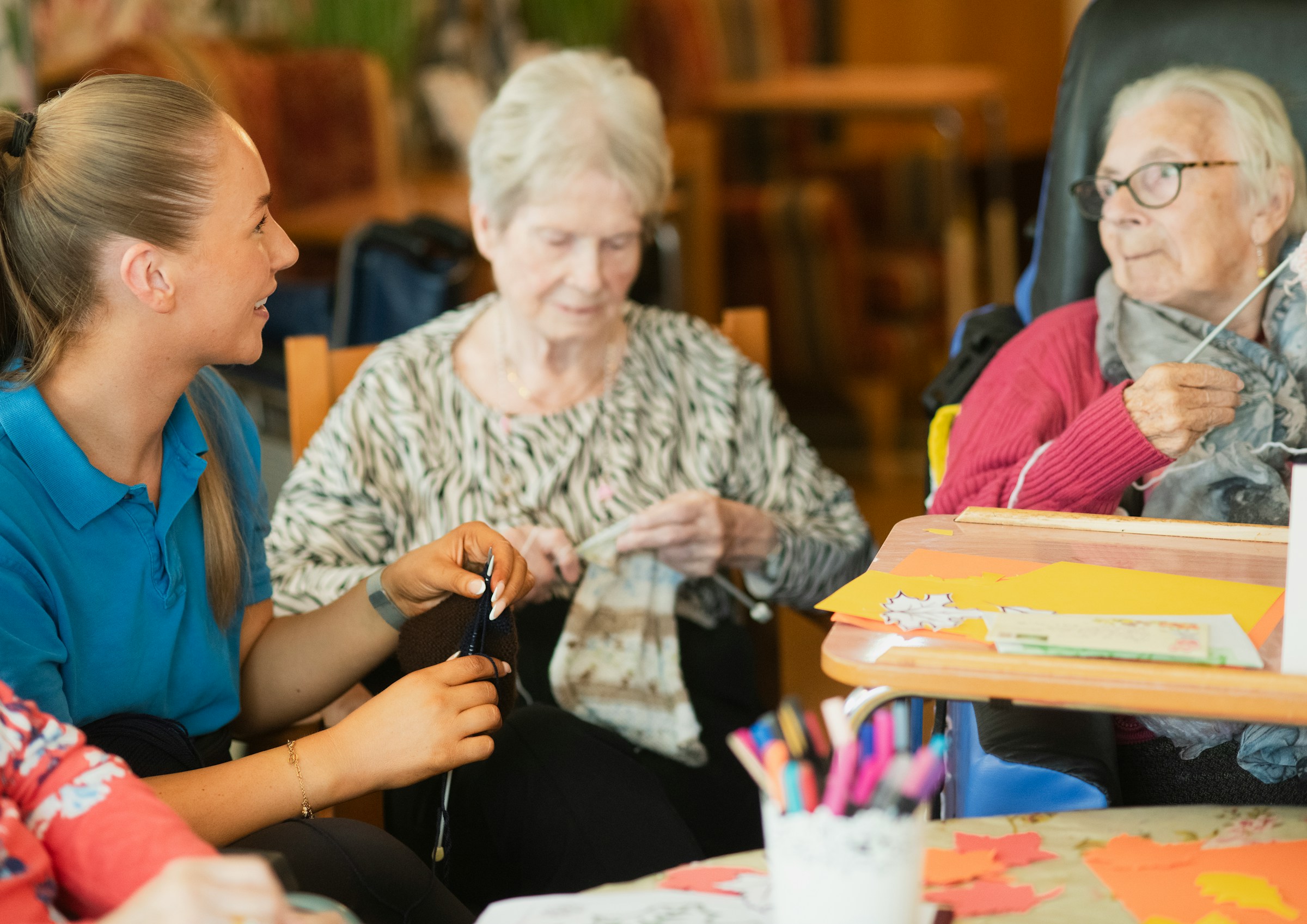
Whether that means crocheting your next afghan, tending your garden, re-painting the deck, planning dinner parties or becoming your grandkids’ favorite Abuela or Gramps, lean into the activities and hobbies you love.
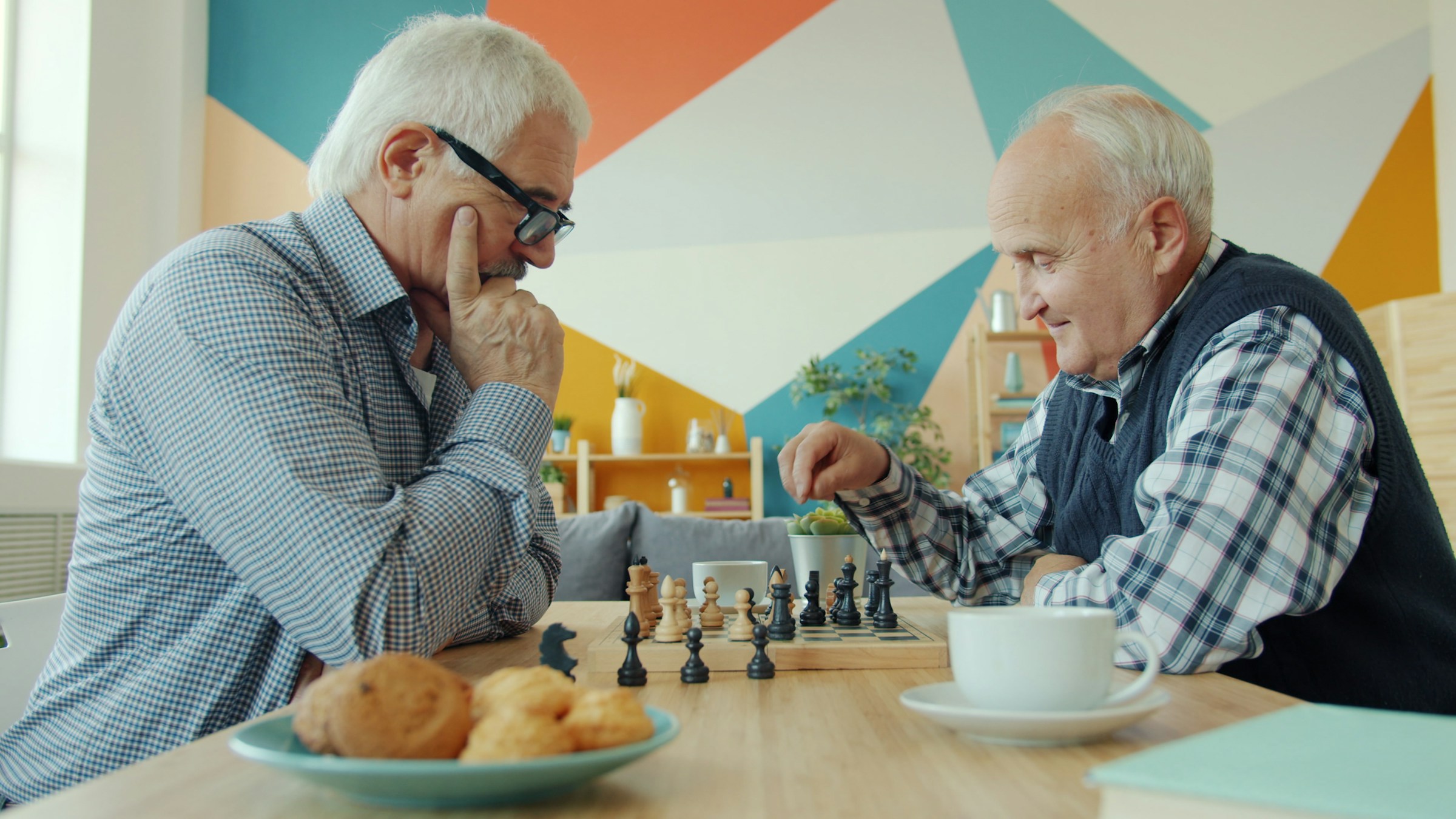
It’s also a great time to take up new hobbies. Always wanted to learn how to make pottery? Take a class. Do you have a knack for winning at domino or bingo game nights? Join a tournament group.
What if your hobbies are becoming difficult for you because of your physical conditions?
“As people grow older and develop health problems, they are tempted to stop doing the things they love,” Martin says.
It might be harder to stay on your feet for a long time. Or it might take more energy than you have to engage in a hobby you adored in your youth. Or maybe arthritis or chronic pain make certain things more difficult to do.
Make a list of the things that you love to do and how you might be able to modify the activity to your current physical needs.
“For example, my grandmother loves cooking,” Martin says. “She’s in her late 90s. We got her great grandkids together so she could teach them how to make strawberry jam. She couldn’t do the cooking herself anymore, but she could still teach her grandkids what she loves to do. And she was spending time with them. It was really meaningful to her and to the younger generation.”
3. Spend time with the people you love.
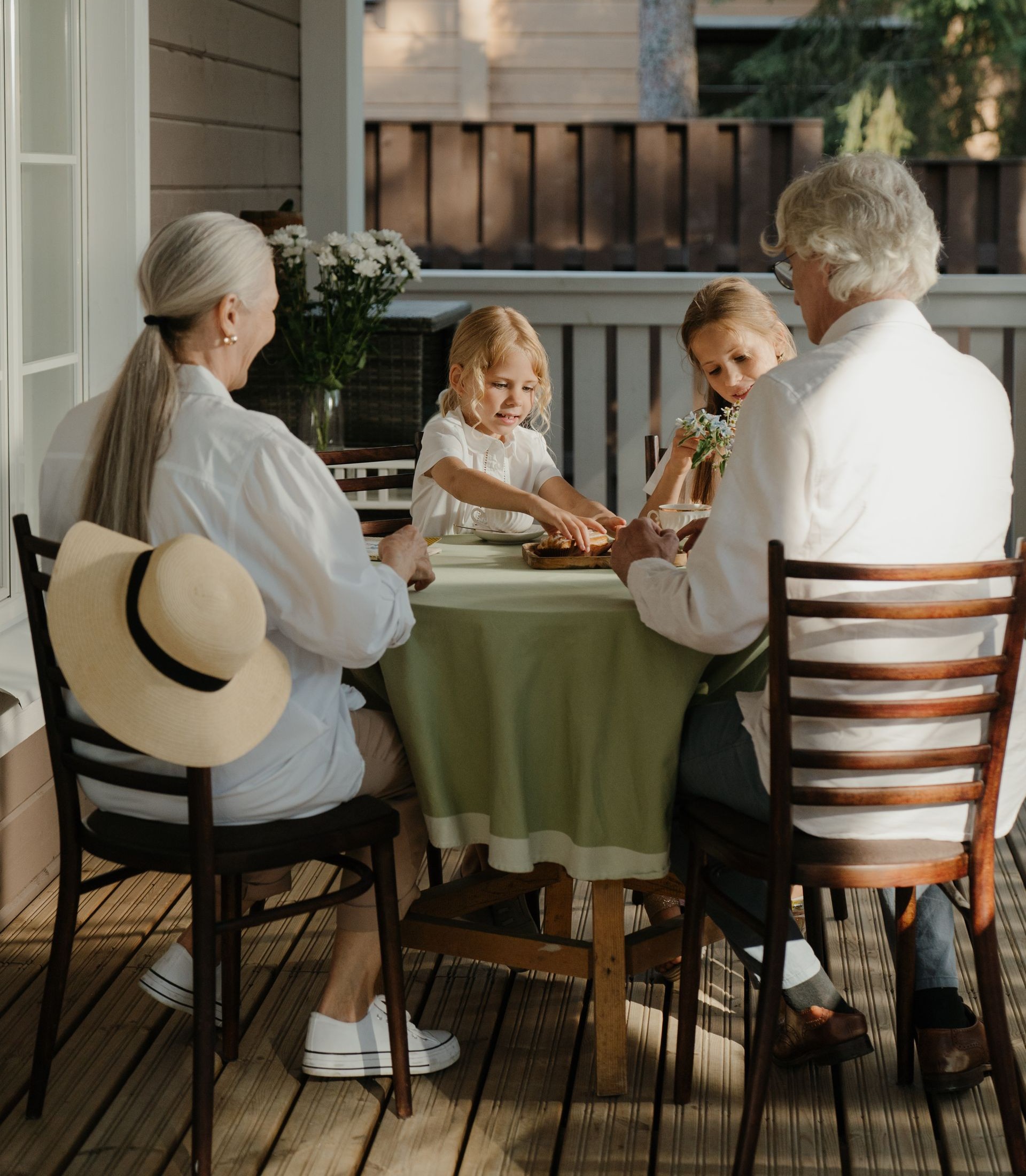
“Spending time with those we care about benefits our brains,” Martin says. “Positive hormones are released in our brains, and it elevates our mood.”
It’s simple: When we are surrounded by family and friends, we feel the love. We love them back. That’s what humans need. Feeling loved impacts our emotional health and our physiological health, releasing endorphins and hormones that can help keep us healthy.
Some elderly folks struggle with feelings of loneliness. In an era when even younger people are experiencing high levels of loneliness, being together is the perfect antidote. By organizing events or activities that bring loved ones together, people can go a long way in keeping up their levels of happiness, activity – and health.
A 2023 advisory from the U.S. Surgeon General that shed light on the epidemic of loneliness mentioned that when people lack connection to others, their risks of developing heart disease, having a stroke and experiencing premature death increase. Likewise, for older adults, chronic loneliness and social isolation can increase the risk of developing dementia by around 50%.
If you are a family member, caregiver or friend of an older adult, feel free to take the lead on this. You don’t have to wait until your older relative reaches out to invite you for dinner. Family members organizing events like Martin’s jam-making sessions can go a long way to helping older relatives spend fun, quality time with the ones they love.
4. Take care of yourself. Sleep, rest and relax.
“Sleep is very important in terms of healthy aging,” Martin says. “Even though older people need about the same amount of sleep as they did when they were younger, sleep quality changes. It is normal to get less deep sleep and wake up more easily during the night. It makes the sleep quality feel worse. Starting in your young adult years, you gradually spend less and less time in deep sleep. This means you are more likely to be awakened by things in your environment.”
Your circadian rhythms, or your body’s inner clock, also change. This clock, which is a small cluster of nerve cells in your brain, regulates when you feel sleepy or ready to wake up as well as other things like eating and digestion schedules.
“As we age, our internal circadian rhythm often won’t let us keep the same sleep schedule we had when we were younger," Martin says. "You’ll probably go to bed earlier and get up earlier. This is a normal part of aging.”
If you find yourself getting up earlier in the morning, Martin recommends embracing it. If the disruption in sleep schedule is a real problem (for example, you get up at three in the morning every day and can’t get back to sleep), she recommends you talk to your doctor. Otherwise, if your circadian rhythm is pulling you to become more of a morning person and you get a little extra early-morning sunshine in your life, Martin says, it’s okay. It’s a normal biological change. Listen to your body and find ways to enjoy the quiet time before the rest of the world wakes up.
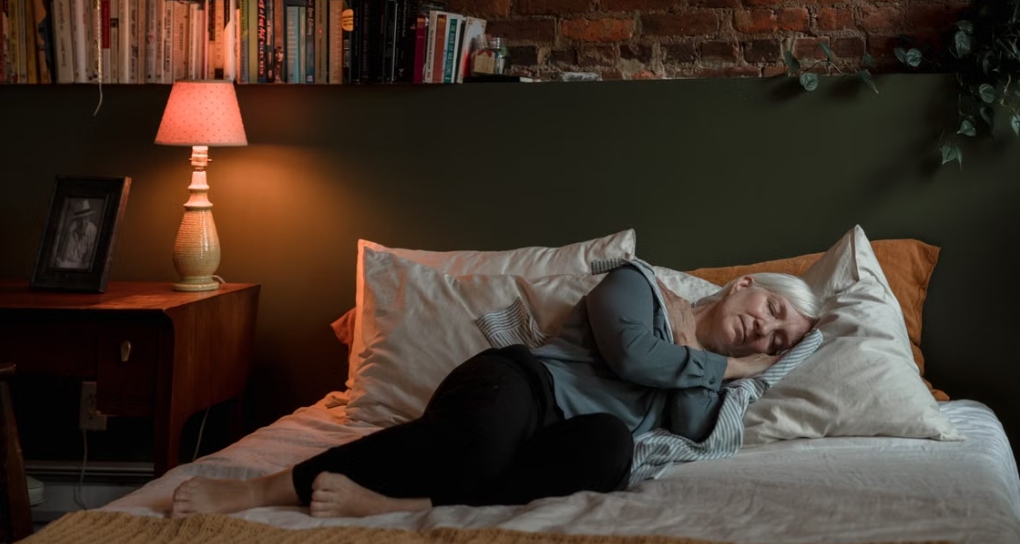
To help you get a good night’s sleep, she also recommends focusing on factors you can control, like creating a good sleep environment and eliminating caffeine 10 hours before your bedtime (for most people, that means cutting out the caffeine in the afternoon and evening hours).
“The place where you sleep should be comfortable, quiet, dark and cool,” Martin says. “You should sleep on a surface that’s physically comfortable. Sometimes for older people, it’s as simple as adding a couple of extra pillows to make your body feel more comfortable.” Learn more about Martin's insight on how sleep keeps both the young and old healthy.
5. Establish a routine.
“Our brains and bodies like to know what’s coming next,” Martin says. “We do well with routines.”
As people cut back or retire from work and experience health challenges, they sometimes find they want to forgo schedules and do whatever they can, whenever it works. And while you want to allow for flexibility, you also want to create some kind of a routine that works for you.
“Try to have a structure to your day that you stick to regularly,” Martin says. “It’ll help you if you try to have a consistent routine. Our brains appreciate it, and it helps us get solid sleep at night.”
Frequently Asked Questions
What's one of the best ways to stay active?
Walk. It's simple to add some steps to your day. Walk to visit a neighbor instead of taking the car or take a walk with a friend instead of sitting to drink coffee.
If my physical abilities don't allow me to engage in my favorite hobbies anymore, what can I do?
Make a list of the things you love to do and how you might be able to modify the activity to your current physical needs. Can you read by listening to audio books, if your eyes get too tired? Can you teach your kids or grandkids how to cook, even if you can no longer cook yourself? Give it a try. You'll be surprised at how much joy you can find by engaging in a meaningful activity even if it is modified.
How important is it to spend time with family and friends?
Feeling a sense of community and connection releases endorphins and hormones that can help keep us healthy. Invite your family and friends to dinner parties, book clubs, domino or bingo tournaments and more. Surround yourself with the people you love - it can go a long way in keeping up your levels of happiness, activity and health.
Will my sleep habits change as I age?
Yes. Our internal circadian rhythm often won’t let us keep the same sleep schedule we had when we were younger. You’ll probably go to bed earlier and get up earlier. This is a normal part of aging.
Why can having a routine be helpful?
Our brains and bodies like to know what's coming next. It helps us prepare for tomorrow.