
FIU experts in oceans, marine technology and sustainable policy
April 21, 2026 at 3:29pm
FIU’s team of marine conservation scientists and ocean experts is dedicated to protecting some of the world’s most endangered and threatened species.
FIU experts are available to discuss a wide range of ocean-related topics, including the study, policy and preservation of marine ecosystems, innovative technologies for monitoring and protecting wildlife, and sustainable approaches to infrastructure and resource management.
Members of FIU's communications teams are available to assist members of the media in contacting experts:
College of Arts, Sciences & Education
- JoAnn Adkins, 305-348-0398, jadkins@fiu.edu
- Christine Fernandez, 305-348-9987, chcalvo@fiu.edu
- Michelle Arean, 305-348-4492, marean@fiu.edu
College of Engineering
- Elizabeth Calzadilla, 786-338-3346, ecalzadi@fiu.edu
College of Communication, Architecture + the Arts
- Emily Martinez, 305-348-7500, emilmart@fiu.edu
Robert Stempel College of Public Health and Social Work
- Jonathan Ruadez, 305-348-4670, jruadezn@fiu.edu
Conservation & Ecology
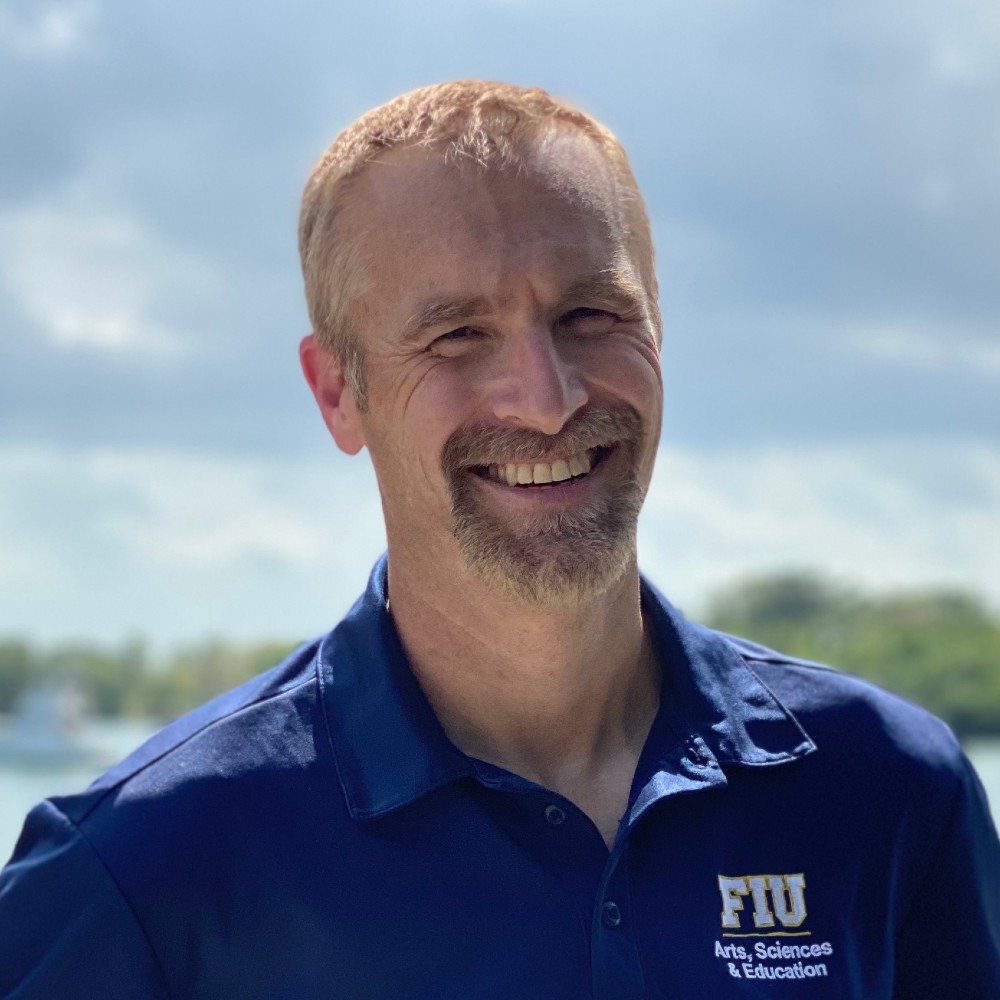
Mike Heithaus
Vice Provost of Environmental Resilience
Executive Dean and Professor
College of Arts, Sciences & Education
Well-known internationally through his research on the ecological role of large sharks both in Australian and Florida waters, Mike Heithaus also serves as the executive dean of the College of Arts, Sciences & Education at FIU. He currently conducts research using cutting-edge technology, including cameras worn by animals, to unravel the lives of hard-to-study marine creatures from whales and dolphins to sharks, seals and turtles. His lab’s work in Shark Bay, Australia is the most detailed study of the ecological role of sharks in the world and has been used as the underpinning for affecting positive policy changes in shark conservation initiated by several prominent Non-Governmental Organizations. He also serves as a member of the science advisory committee for Pew Environment’s International Shark Campaign and was one of the lead researchers for Global FinPrint.
Research highlight:
Big sharks equal big impact, but there's a big problem
Twitter:@MikeHeithaus
Instagram:@mike_heithaus
Watch Mike Heithaus on NBC's TODAY Show
For help, contact:
JoAnn Adkins
305-348-0398
jadkins@fiu.edu
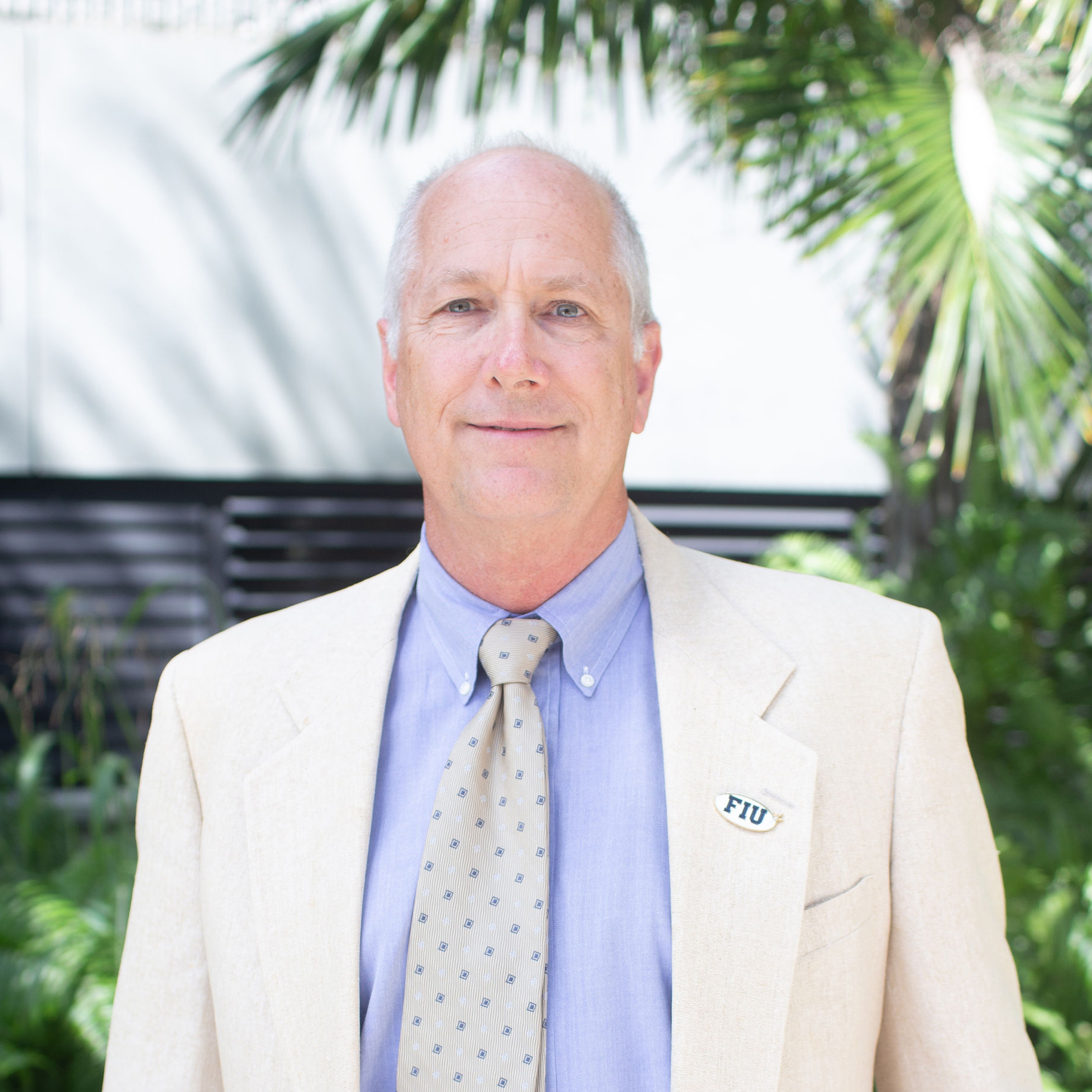
James Fourqurean
Director and Distinguished Professor
Coastlines and Oceans Division
College of Arts, Sciences & Education
Fourqurean is a renowned seagrass expert, as well as a marine and estuarine ecologist with FIU for over 25 years. Fourqurean’s research has focused extensively on seagrass ecosystems as models for addressing general ecological questions. Over the last 10 years, Fourqurean has been helping translate the science of carbon dynamics in coastal ecosystems into actionable policy and climate change mitigation strategies. He is one of the lead scientists in the International Blue Carbon Working Group and serves as a scientific representative to the International Blue Carbon Policy Working Group.
For help, contact:
JoAnn Adkins
305-348-0398
jadkins@fiu.edu
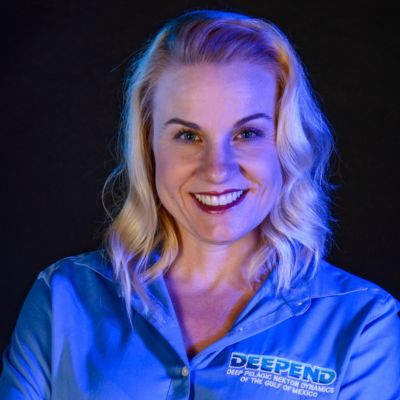
Heather Bracken-Grissom
Assistant Director and Professor
Coastlines and Oceans
College of Arts, Sciences & Education
Heather Bracken-Grissom is a marine evolutionary biologist who studies invertebrate biodiversity from shallow tropical waters to extreme environments including the deep sea, hydrothermal vents and aquatic caves. Her current research seeks to understand how organisms have adapted to life in darkness and how they use bioluminescence, the generation of light by an organism, to survive. Bracken-Grissom has led or participated in over 30 research cruises across the Gulf of Mexico and the Pacific, searching for novel life and new sources of bioluminescence. In June 2019, she was part of the research team that captured the first live video footage of a giant squid in US waters. Due to her taxonomic expertise, she has two species named after her, a mesophotic reef hermit crab (Cancelllus heatherae) and deep-sea bioluminescent shrimp (Acanthephyra heatheri).
For help, contact:
JoAnn Adkins
305-348-0398
jadkins@fiu.edu
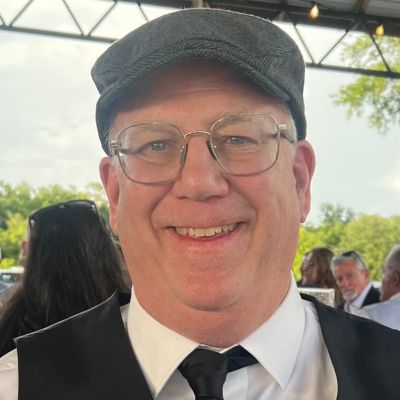
Richard Connor
Courtesy Professor
Institute of Environment and Department of Biological Sciences
Iinternationally known for his work on the behavior of dolphins and whales, and the evolution of cooperation and mutualism. He co-founded dolphin research in Shark Bay, Western Australia in 1982, which emerged as a kind of Rosetta Stone for understanding dolphin intelligence in the wild, with discoveries of the most complex system of alliances outside of humans and, also like humans, the use of synchrony in social relationships. Connor and his students have studied foraging specializations in Shark Bay and other locations that include tool use and cooperative feeding with a division of labor. He has published on a range of general topics including the evolution of baleen whale migration, high frequency sounds in odontocetes, extreme brain size evolution in mammals, the evolution of cetacean societies and models for alliance formation, as well as the evolution of cooperation and mutualism. His work has been featured in numerous print and television documentaries, including the New York Times, Nova, National Geographic and the BBC.
For help, contact:
Christine Fernandez
305-348-9987
chcalvo@fiu.edu
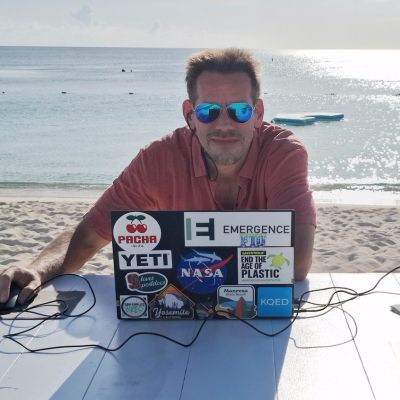
Simon Dedman
Postdoctoral Scientist
College of Arts, Sciences & Education
Dedman is a leader in the use of machine learning tools for studying the movements of sharks, rays and tunas, authoring multiple papers on associated drivers. He has developed software packages that help scientists improve the speed and ease of analyzing the movement data and developing management advice. His work improves understanding of population change by revealing where animals go, as well as when and why they go home. Dedman earned a Ph.D. in spatial management of Irish Sea skates and rays, with hands-on fisheries expertise in the U.K., Ireland, the Bahamas and the U.S. His ongoing work uses causal models to reveal whether sharks are more crucial to coral reefs, or vice versa, and he has recently published work examining the ecological roles of sharks and demonstrating how protecting them can benefit entire ecosystems, particularly those associated with coral reefs. He is spearheading the deployment of AI for shark literature review and knowledge extraction, revealing trends in methodologies; geographic, gender and national disparities in publishing volume and impact; and differences in social vs. academic sharing of scientific knowledge. This project will facilitate literature reviews for shark scientists, accelerating knowledge gain and progression to discovery stages, and identifying knowledge gaps to guide future research priorities.
For help, contact:
Christine Fernandez
305-348-9987
chcalvo@fiu.edu
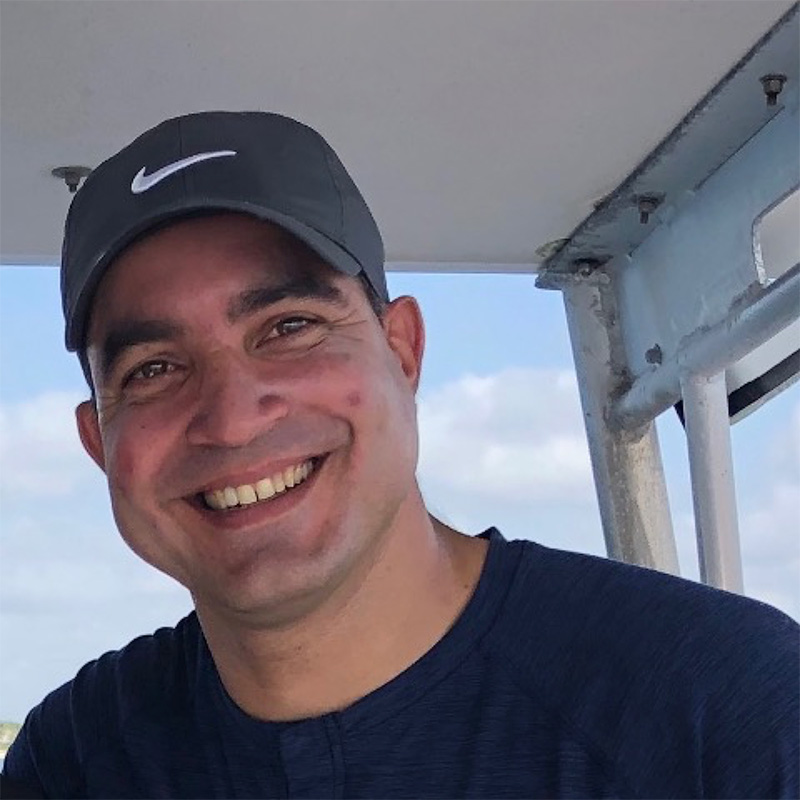
Alain Duran
Assistant Teaching Professor, Biology
College of Arts, Sciences & Education
Duran is a renowned coral reef ecologist with over 20 years of experience working in Florida and the Greater Caribbean. He specializes in herbivory and the benthic dynamics of cryptic species, such as crustose coralline algae and turf-forming macroalgae. Duran’s RESERVE lab pioneers research on long sediment-laden algal turfs (LSATs), an abundant reef spaceholder that influences multiple ecological processes (e.g., coral recruitment and herbivory) and ultimately affects Florida’s coral reef resilience. Duran is the director of the Florida International University Coastal Conservation and Restoration Lab (CCRL), where he spearheads several cutting-edge research projects focused on coral reef restoration. These projects are in collaboration with multiple state (Florida Department of Environmental Protection) and federal organizations (National Oceanographic and Atmospheric Administration).
For help, contact:
JoAnn Adkins
305-348-0398
jadkins@fiu.edu
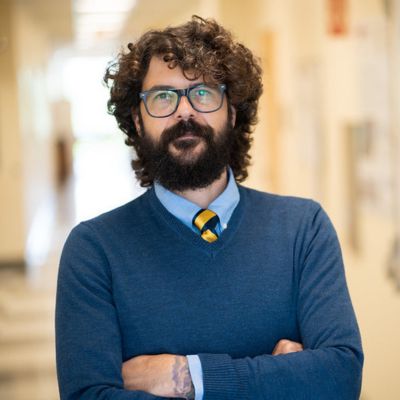
Jose Eirin-Lopez
Professor, Biology
College of Arts, Sciences & Education
Eirin-Lopez has pioneered the field of environmental epigenetics, linking the effects of global change to the health of marine ecosystems, particularly in coastal areas heavily impacted by urban development. Over the past decade, his work on nearshore marine ecosystems has included studies of corals, sea urchins, oysters, sharks, and dolphins across the Caribbean (Bonaire, Puerto Rico, and the Florida Keys) and the Pacific (French Polynesia). This research has advanced understanding of the molecular mechanisms that enable these organisms to respond to marine heat waves and pollution, and has outlined strategies to guide conservation and ecosystem restoration efforts. He has published more than 100 scientific papers and currently serves as editor‑in‑chief of the journal, Gene Reports.
For help, contact:
JoAnn Adkins
305-348-0398
jadkins@fiu.edu
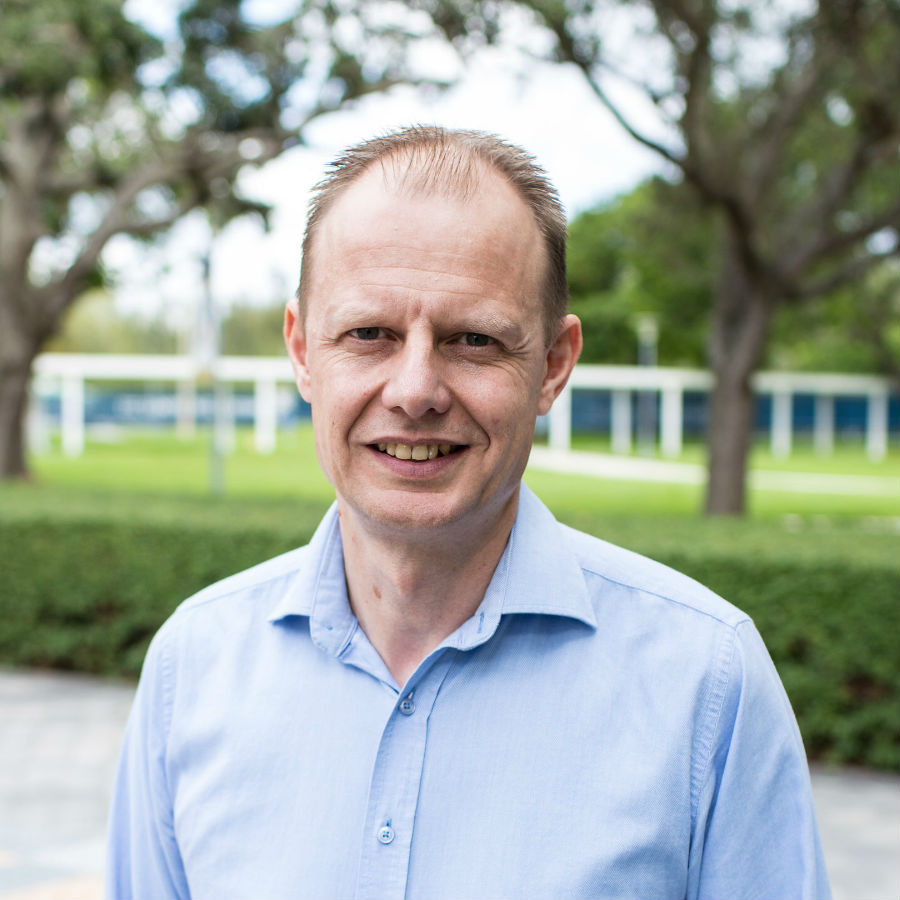
Alastair Harborne
Associate Professor
College of Arts, Sciences & Education
Alastair is a coral reef fish ecologist who studies the ecology and behavior of reef fishes and how they are impacted by anthropogenic changes. His lab uses a combination of underwater surveys, experimental work, acoustic tracking and modeling to generate novel insights into reef fishes and how they can be better managed. He is the principal investigator of the NOAA-funded FISHSCAPE project that examines how fishes use seagrass beds for foraging, and has worked on reefs in Florida, the Caribbean, Australia, and the Indo-Pacific. Alastair is an editor of the journal, Coral Reefs, and a fellow of the International Coral Reef Society. He is also vice chair of the academic group within the Southeast Florida Coral Reef Initiative. Alastair completed his PhD at the University of Exeter (UK) and was a post-doctoral fellow at Exeter and the University of Queensland (Australia).
For help, contact:
JoAnn Adkins
305-348-0398
jadkins@fiu.edu
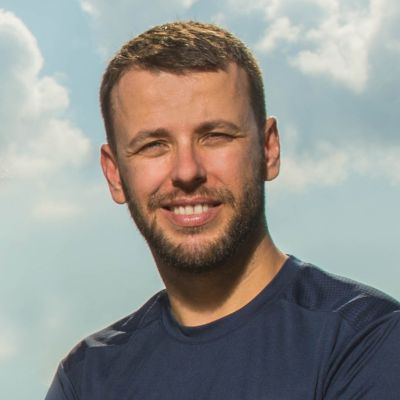
Jeremy Kiszka
Associate Professor
College of Arts, Sciences & Education
Kiszka is one of the world’s leading marine mammal scientists and has published over 180 research articles and book chapters. Over the past 25 years, he has investigated the ecology, behavior, and conservation of whales, dolphins, manatees, and otters across the globe, including the Indian Ocean, European waters, the Arctic, and North America. He works on some of the most iconic marine mammal species, from manatees in Florida to killer whales (or orcas) in the Arctic. His research focuses on the effects of changing ocean conditions on marine mammals, or on the roles and importance of these animals in marine ecosystems. Kiszka has studied over 60 species of marine mammals across 30 countries and currently serves on international scientific committees, including those of the International Whaling Commission and the International Union for Conservation of Nature. Originally from France, he earned his PhD in Oceanography from the University of La Rochelle. He spent six years living in East Africa conducting research on dolphins and whales before joining Florida International University nearly 14 years ago. Kiszka is also the President of the Society for Marine Mammalogy, the largest professional society dedicated to marine mammal science.
For help, contact:
Michelle Arean
305-348-4492
marean@fiu.edu
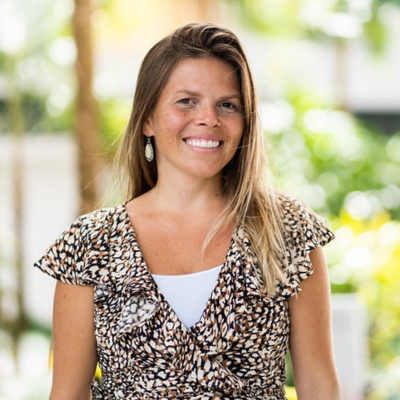
Leila Lemos
Research Specialist and Adjunct Professor
College of Arts, Sciences & Education
Leila Lemos is a Brazilian marine scientist specializing in marine mammal ecology, ecotoxicology, and marine mammal physiology. Her research focuses on how cetaceans, sirenians, and other marine organisms respond to anthropogenic and environmental stressors, integrating field and laboratory approaches, including drone-based photogrammetry, hormone assessments, mass spectrometry, and passive acoustics, to evaluate animal health, stress, and contaminant exposure. She has authored over 35 peer-reviewed publications, and her work has been featured in major media outlets. She holds a master’s degree in Public Health and Environment from the Oswaldo Cruz Foundation (FIOCRUZ) in Brazil and a Ph.D. in Wildlife Science from Oregon State University. She is actively engaged in mentoring students and fostering international collaborations, with a strong focus on advancing science that supports marine conservation.
For help, contact:
Michelle Arean
305-348-4492
marean@fiu.edu
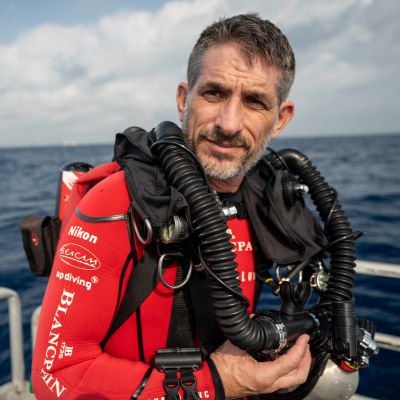
Yannis Papastamatiou
Associate Professor
College of Arts, Sciences & Education
With over 130 research publications, Papastamatiou is one of the world’s leading shark behavioral ecologists. Papastamatiou’s use of new tag technologies on species ranging from pelagic oceanic whitetips to home-ranging reef sharks has advanced the field of predator ecology and led to evidence-based marine protected area zoning. His work has appeared on National Geographic and BBC. Papastamatiou has over 1,800 dives and is certified in most forms of scientific and technical diving. He is interested in the ecology of mesophotic reefs and in the use of technical diving for underwater exploration. A native of London, Papastamatiou has conducted research in California, Florida, Hawaii, South Africa, French Polynesia, Japan, Mexico and throughout the Mediterranean and Northern Pacific Ocean. He earned a Ph.D. in Zoology from the University of Hawaii at Manoa. Papastamatiou is fluent in Greek.
Research highlight:
These sharks don't sweat temperature changes
For help, contact:
JoAnn Adkins
305-348-0398
jadkins@fiu.edu
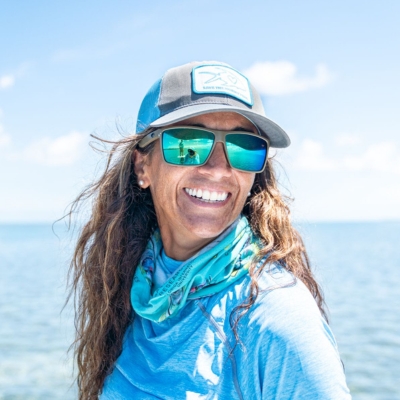
Jennifer Rehage
Professor
College of Arts, Sciences & Education
Jennifer Rehage is a coastal ecologist whose research focuses on fish, fisheries and disturbance ecology and incorporates human dimensions. Her work integrates fish behavior, movement, trophic ecology, ecotoxicology, and local ecological knowledge to examine how hydroclimatic stressors and human activities influence coastal fisheries, with a particular emphasis on Florida’s recreational fisheries. Using interdisciplinary and solutions‑oriented approaches, Rehage collaborates closely with fishers to coproduce knowledge that informs management, conservation, and restoration. Recent work focuses on the presence of pharmaceuticals in recreational fisheries and the implications for wastewater management, the health of Floridians and Florida’s valuable estuaries. Rehage has published over 100 peer‑reviewed articles, her research has been widely featured in national and international media and has contributed directly to policy and management actions related to water quality and fisheries conservation.
For help, contact:
JoAnn Adkins
305-348-0398
jadkins@fiu.edu
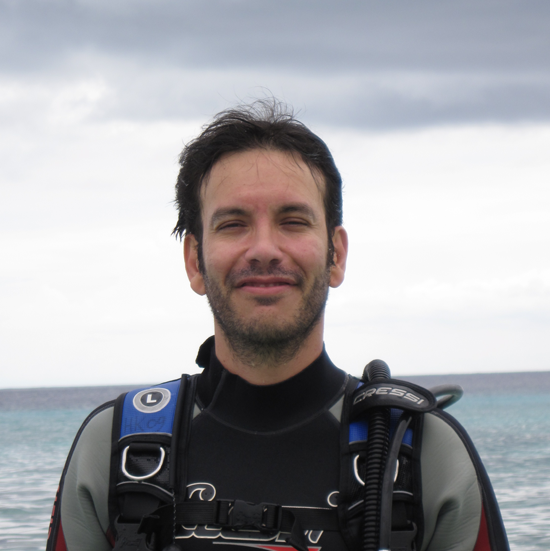
Mauricio Rodriguez-Lanetty
Director and Professor
QBIC NSF S-STEM Program
College of Arts, Sciences & Education
Mauricio Rodriguez-Lanetty is a coral molecular physiologist and immunologist specializing in the mechanisms that determine coral resilience and vulnerability to environmental stress. His research focuses on coral innate immunity, microbial symbiosis, and how stressors such as nutrient pollution and climate change alter coral health and disease dynamics. He directs the Integrative Marine Genomics and Symbiosis (IMaGeS) Lab at Florida International University and conducts field and experimental research across the Florida Keys reef tract.
A native of Venezuela, Rodriguez-Lanetty earned his Ph.D. in Marine Sciences from the University of Queensland and has conducted research throughout the West Pacific, including the Great Barrier Reef, as well as in Hawaii and the Caribbean. He has also collaborated with NASA and the Aquarius Reef Base through the NEEMO astronaut training program, contributing to unique underwater research initiatives. His work bridges molecular biology and ecosystem science to develop predictive frameworks that inform coral reef conservation and restoration in a rapidly changing ocean.
For help, contact:
Christine Fernandez
305-348-9987
chcalvo@fiu.edu
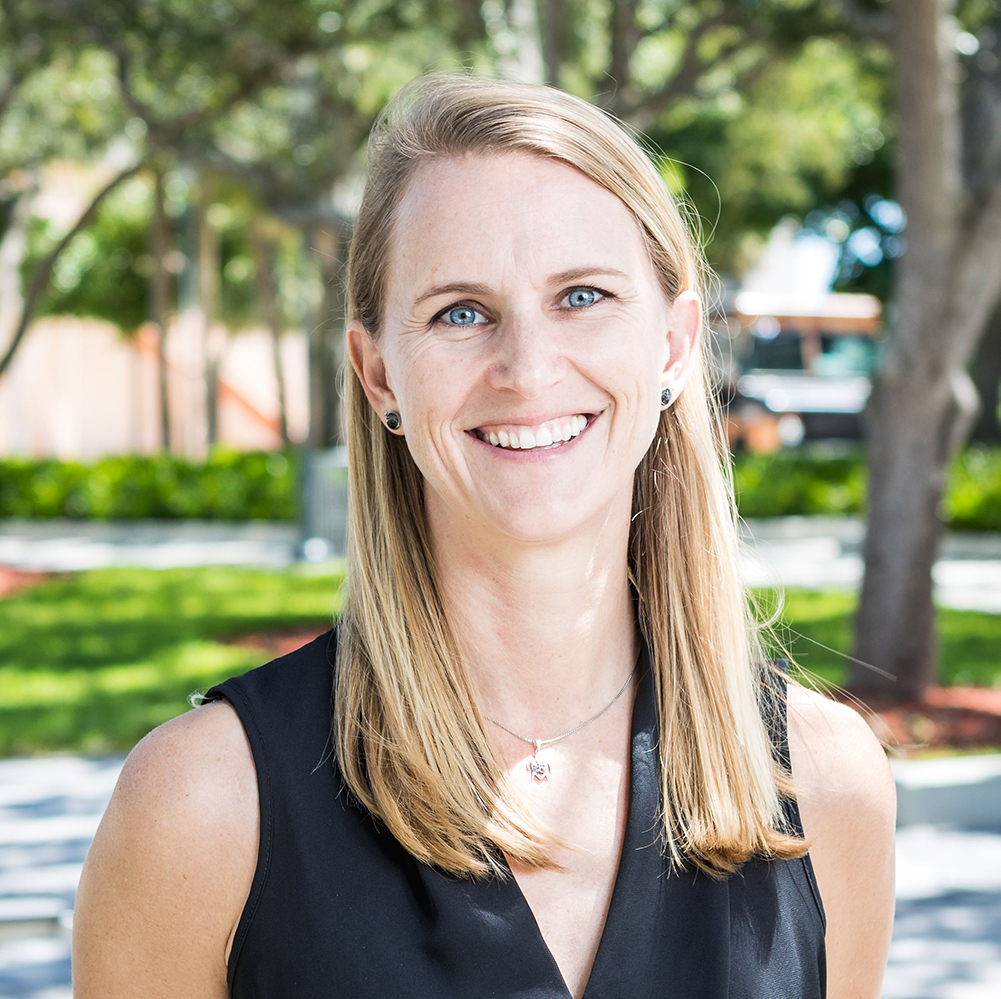
Elizabeth Whitman
Associate Teaching Professor
College of Arts, Sciences & Education
Whitman is a marine behavioral ecologist whose research focuses on the foraging ecology and habitat use of sea turtles in coastal Caribbean ecosystems. Her work examines the drivers of green turtle (Chelonia mydas) distributions, including food availability and quality, predation risk from sharks, and responses to the invasion of the non-native seagrass Halophila stipulacea. She also investigates how extreme disturbances, such as hurricanes, and stressors including propeller scarring and overgrazing, shape seagrass ecosystems. Whitman conducts collaborative research across The Bahamas, Dominican Republic, Mexico, and Florida, and serves as coordinator of FIU’s National Save The Sea Turtle Foundation internship program, mentoring students in hands-on research and conservation.
For help, contact:
Christine Fernandez
305-348-9987
chcalvo@fiu.edu
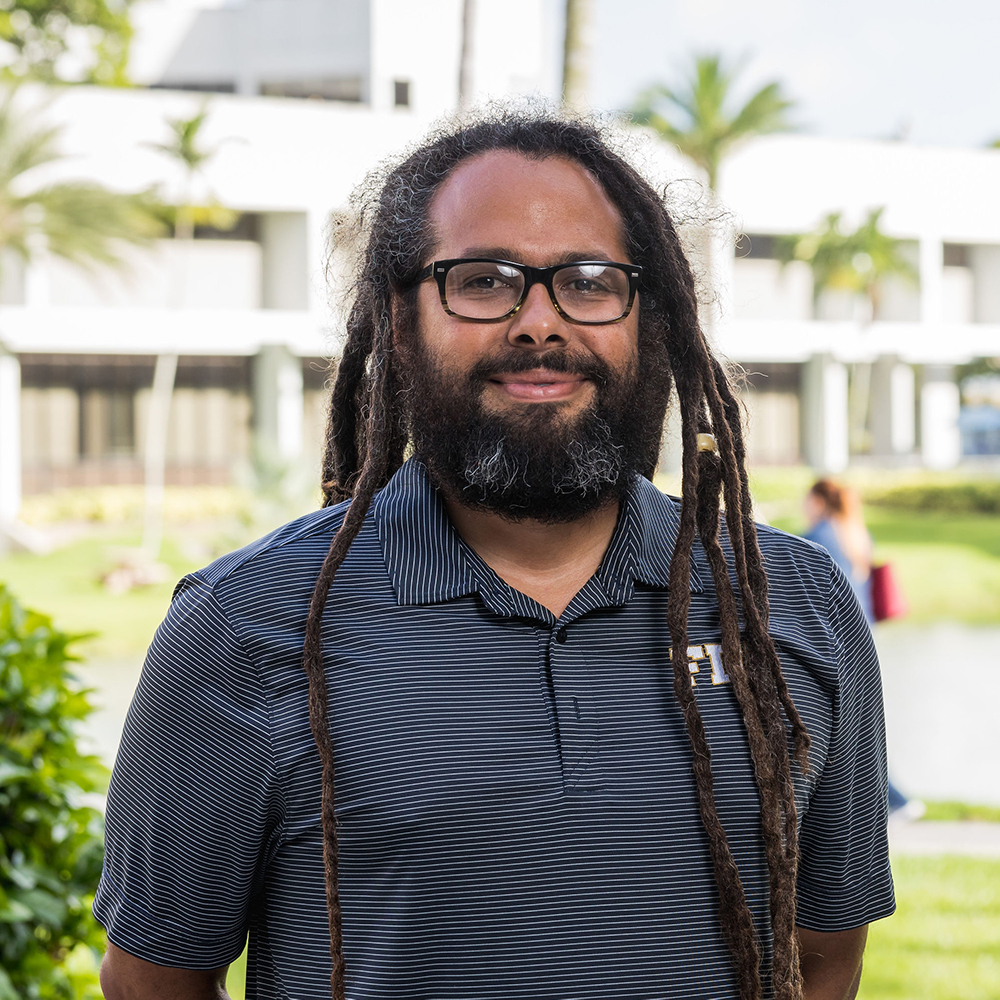
Rolando Santos Corujo
Assistant Professor, Biology
College of Arts, Sciences & Education
Rolando O. Santos, who earned his Ph.D. in marine biology and fisheries at the University of Miami, is a marine ecologist whose research focuses on how habitat change and seascape structure influence the movement, distribution, and resilience of coastal species. He leads the Santos Seascape Ecology Lab at Florida International University, where his work integrates seascape/landscape ecology, animal movement, and trophic ecology to inform conservation, management, and restoration across the ridge-to-reef continuum. His research spans mangroves, seagrass meadows, coral reefs, and tropical aquatic systems in South Florida and the Caribbean, with a particular emphasis on applied, solutions-oriented science that supports fisheries sustainability, habitat restoration, and climate resilience. He is from Puerto Rico and is fluent in Spanish.
For help, contact:
Christine Fernandez
305-348-9987
chcalvo@fiu.edu
Engineering, Robotics & Infrastructure
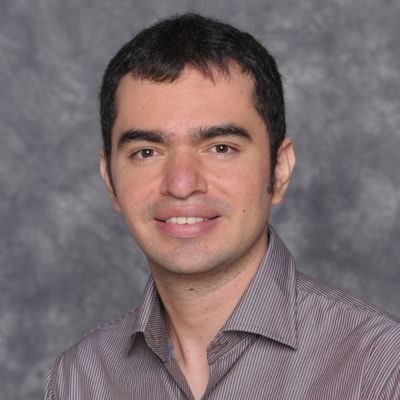
Leonardo Bobadilla
Associate Professor
Knight Foundation School of Computing and Information Sciences
College of Engineering and Computing
Bobadilla can discuss robotics, autonomous navigation, and motion planning, with a focus on how mobile systems can operate effectively with minimal sensing and computation. His research has been sponsored by the Army Research Office, the Department of Homeland Security, and NSF.
For help, contact:
Elizabeth Calzadilla
786-338-3346
ecalzadi@fiu.edu
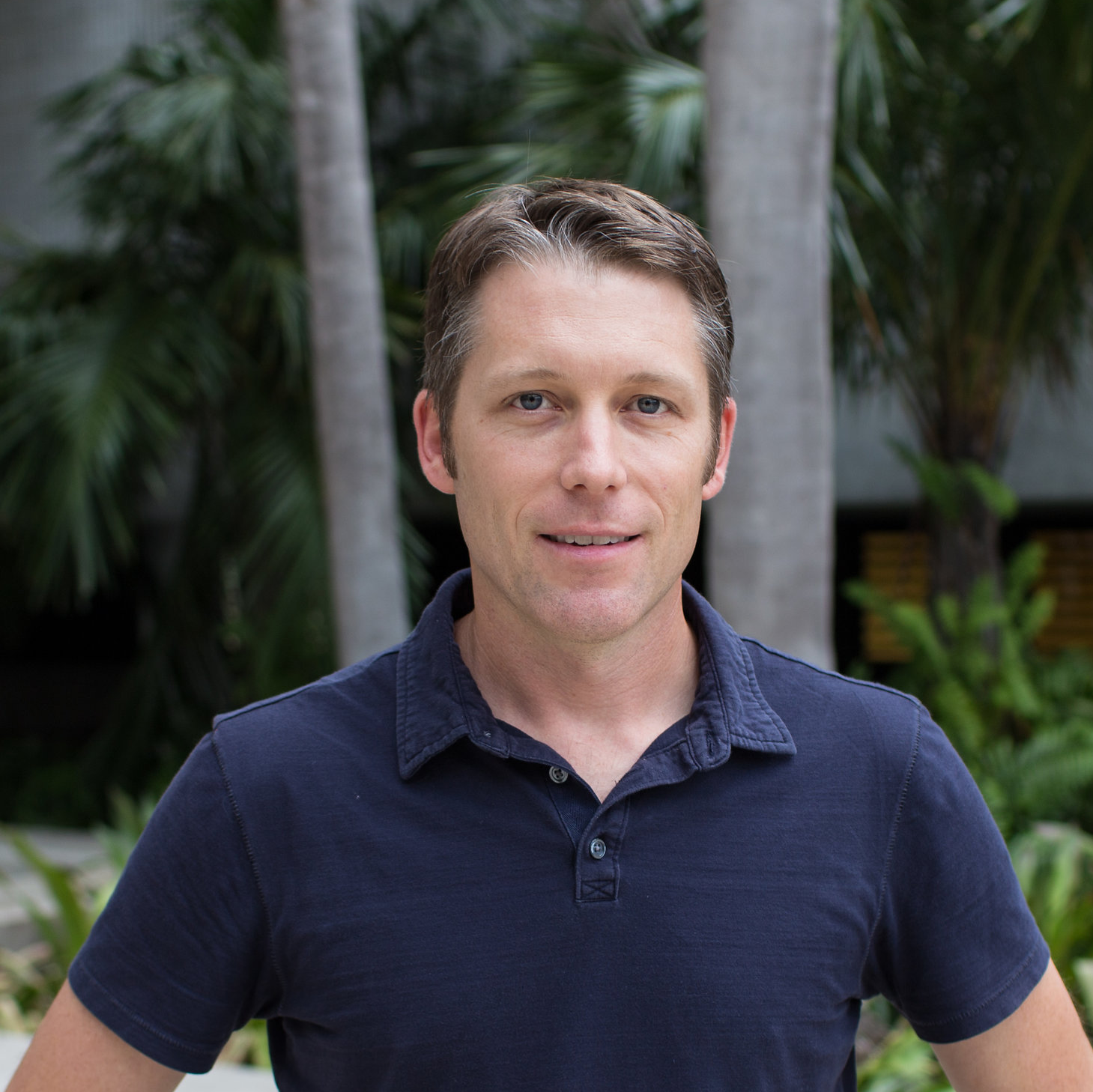
Kevin Boswell
Director and Associate Professor
Marine Biology Program
College of Arts, Sciences & Education
Boswell is a marine ecologist whose research focuses on the interacting factors that mediate the distribution patterns, behavior, habitat use, energetics and natural ecology of coastal and ocean animals, including the implications of ecosystem variability, particularly in rapidly changing environments. His lab integrates advanced sampling techniques, such as active and passive underwater acoustics, with observations from autonomous aerial and aquatic platforms to collect high-resolution data that describe spatial and temporal patterns of interest, ranging from individual-level interactions to broad ecosystem dynamics.
For help, contact:
JoAnn Adkins
305-348-0398
jadkins@fiu.edu
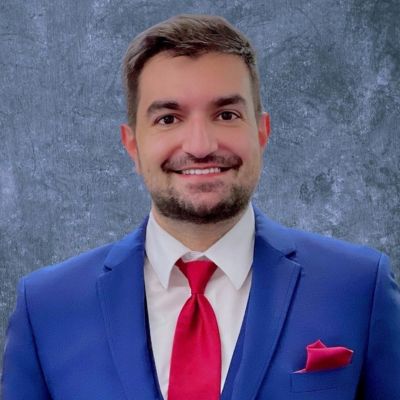
Gregory Murad Reis
Associate Teaching Professor
Knight Foundation School of Computing and Information Sciences
College of Engineering and Computing
Reis can discuss marine robotics, environmental monitoring, and artificial intelligence, with particular expertise in the navigation of aquatic robots in GPS-denied environments and the use of robotics technology for ocean and environmental data collection. He has served as PI and Co-PI on over $6 million in research grants from the DoD, NSF, and FDEP.
For help, contact:
Elizabeth Calzadilla
786-338-3346
ecalzadi@fiu.edu
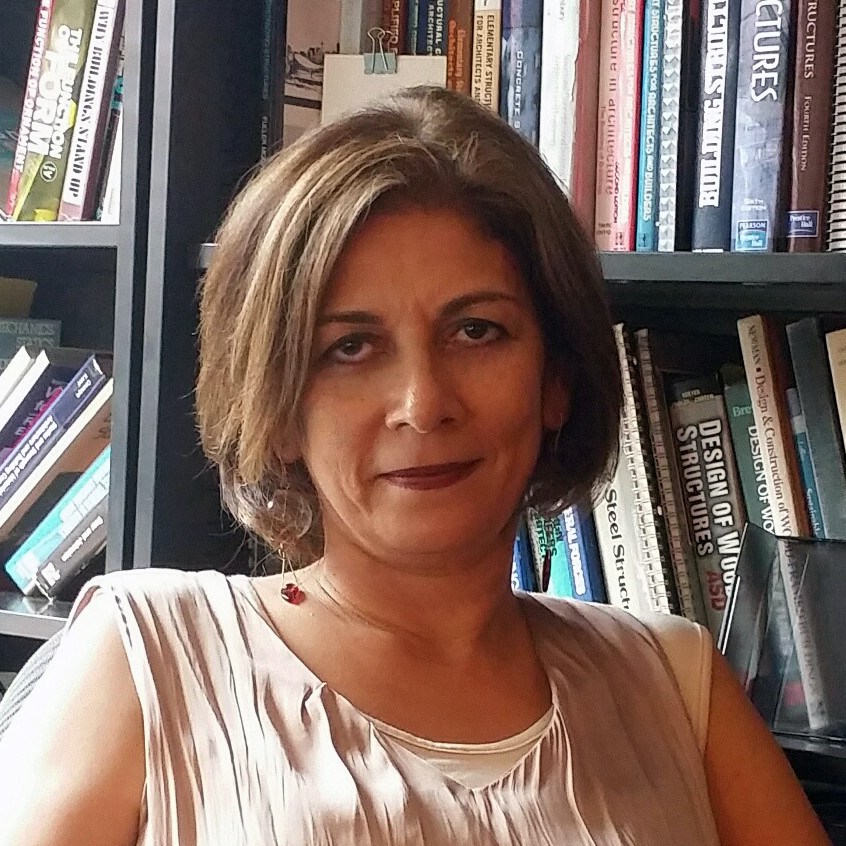
Shahin Vassigh
Director and Professor
Robotics and Digital Fabrication Lab
College of Communication, Architecture + The Arts
Vassigh has considerable professional experience through her work at various consulting engineering firms ranging from bridge design/analysis to large-scale building construction and design. She teaches structures and building technology courses in the architecture curriculum. She has built a nationally recognized body of research work focused on improving structures and technology education by developing alternative teaching pedagogies that utilizes digital media. Her work has been characterized as setting new standards for new media educational materials and is published and distributed internationally. Prof. Vassigh is a recipient of two major federal grants to develop Interactive learning environments using state of the art computing technology.
For help, contact:
Emily Martinez
305-348-7500
emilmart@fiu.edu
Policy
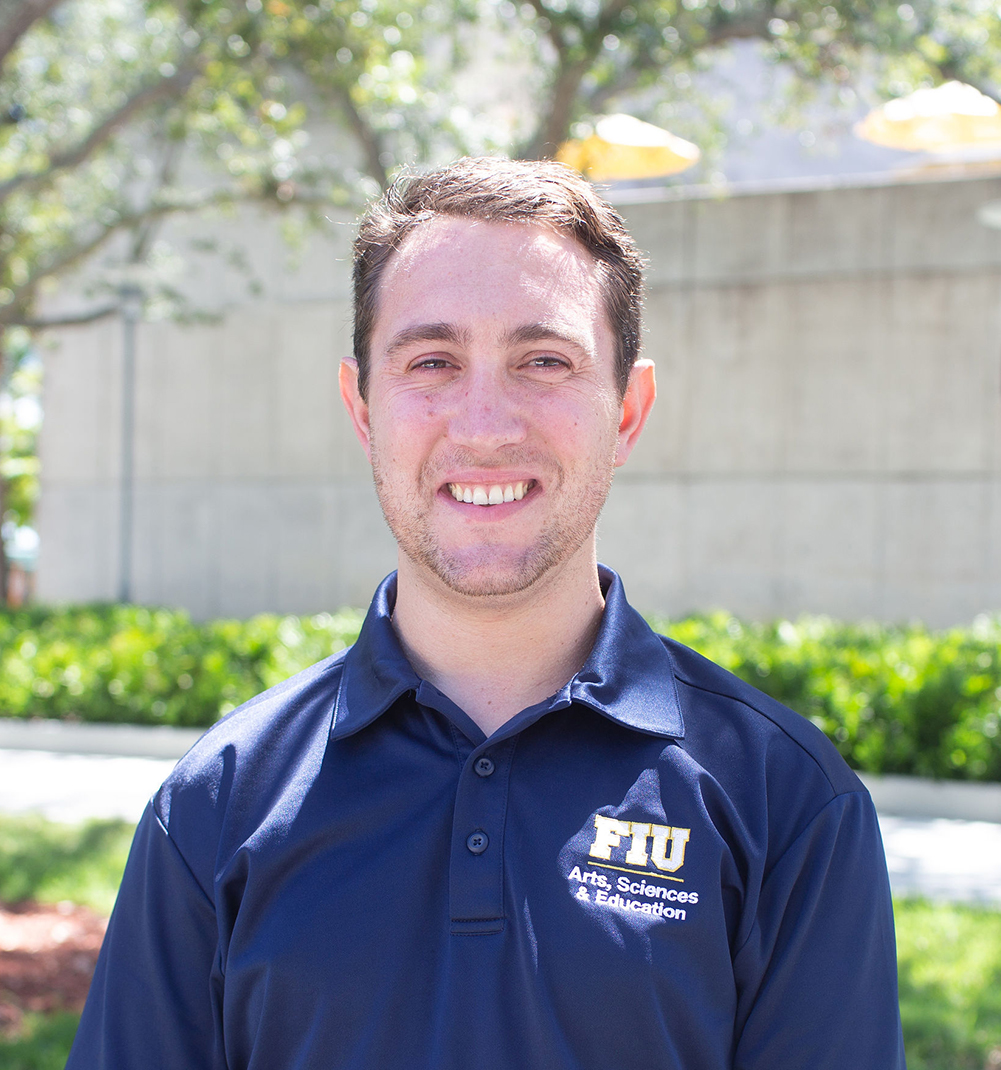
Mark Bond
Research Assistant Professor
College of Arts, Sciences & Education
Bond’s research focuses on improving the understanding of the ecology of endangered marine wildlife, and the design and implementation of tools and management strategies to conserve and recover species. His work is a mix of applied field research and international policy work. He also serves as the lead for sharks and rays under the CAMAC project. Current field projects aim to improve the conservation of oceanic whitetip sharks, smalltooth sawfish and great hammerheads sharks.
Watch a video featuring Mark Bond's research on oceanic whitetip sharks.
For help, contact:
JoAnn Adkins
305-348-0398
jadkins@fiu.edu
Diego Cardeñosa
Assistant Professor
College of Arts, Sciences & Education
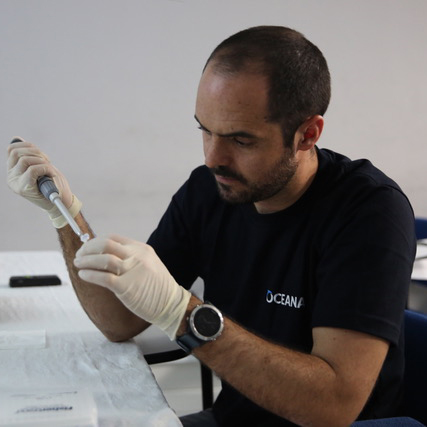
Cardeñosa uses DNA detective work to uncover the mysteries of the global shark fin trade, leading groundbreaking research to trace fins back to their source. With funding from the Paul G. Allen Family Foundation, he developed a portable, easy-to-use DNA testing toolkit that empowers customs officials and inspection personnel to identify illegal species on-site and support prosecutions. His research also focuses on the conservation of critically endangered sharks in the wild. He leads community-based projects in Colombia, working with eight critically endangered species, including the smallest hammerhead sharks in the world, and partnering with local fishers to establish bottom-up Marine Protected Areas that support long-term conservation. Cardeñosa is available for interviews in English and Spanish. Cardeñosa is available for interviews in Spanish.
Research highlights:
- Two-thirds of species in global shark fin trade at risk of extinction
- Eastern Pacific is a major supply chain for illegal shark fin trade
- Silky sharks find hope in the Atlantic
- DNA test kit saves thousands of Earth's most bizarre turtles
Twitter:@DiegoCardenosa
Instagram:@diegocardenosa
Watch a video about Cardeñosa's research.
For help, contact:
Christine Fernandez
305-348-9987
chcalvo@fiu.edu
Public Health
Rajiv Chowdhury
Chair and Professor
Global Health
Robert Stempel College of Public Health and Social Work
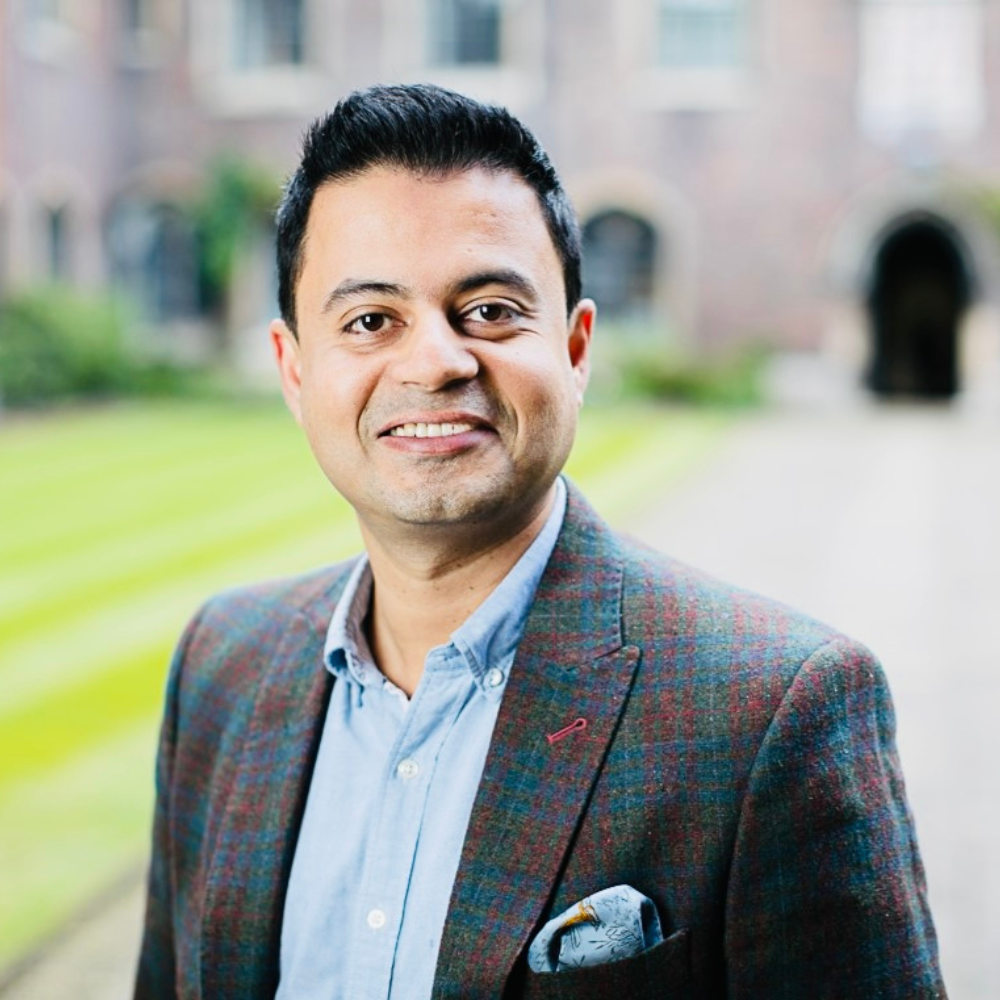
Chowdhury is a global health researcher whose work examines how environmental factors affect chronic disease, including the impact of drinking water salinity on cardiovascular health in coastal populations. His recent study found that people exposed to saltier drinking water tend to have higher blood pressure and a greater risk of hypertension, underscoring the public health implications of saltwater intrusion as sea levels rise. He has published widely on chronic disease drivers and on translating research into policies and interventions that improve population health.
For help, contact:
Jonathan Ruadez
305-348-4670
jruadezn@fiu.edu
Sargassum
Stephen Leatherman
Professor
Earth and Environment
Institute of Environment
College of Arts, Sciences & Education
Stephen Leatherman is a professor in FIU's Department of Earth and Environment, widely known as "Dr. Beach" for his annual Top 10 U.S. beach rankings, which he has issued since 1991. In recent years, sargassum has become a major factor in his beach evaluations, with Bill Baggs Cape Florida State Park excluded from his 2026 Top 10 list because of excessive seaweed buildup. Leatherman has written about how sargassum blooms, once rare before 2011, now regularly inundate the Caribbean, Gulf of Mexico, and Florida coastlines each summer, driving away tourists, harming fishing industries, and requiring costly cleanups. Leatherman can speak to the ecological role sargassum plays at sea; its damaging effects on beaches, sea turtles, manatees, and coral reefs; and the economic toll it takes on Florida's coastal communities.
For help, contact:
Christine Fernandez
305-348-9987
chcalvo@fiu.edu
Imran Ahmad
Research Assistant Professor
Chaplin School of Hospitality & Tourism Management
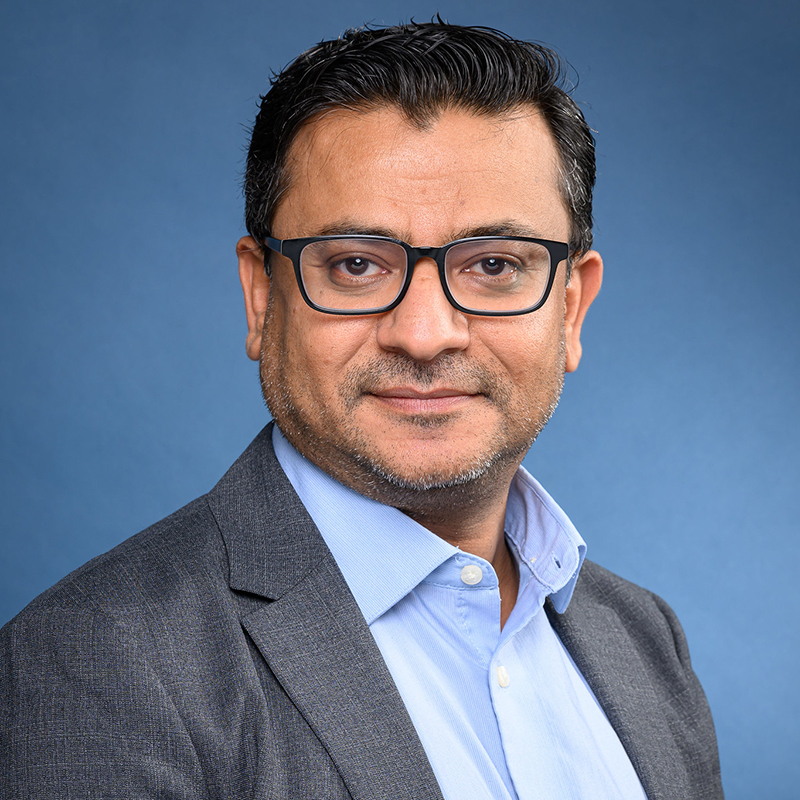
Imran Ahmad is a research associate professor and food scientist at FIU's top-ranked Chaplin School of Hospitality & Tourism Management. He has 16 years of experience in food industry research and academia, with expertise in quality management, agri-food supply chains, and predictive modeling. Ahmad is part of a multi-institutional research team exploring how sargassum could be turned from an environmental nuisance into a valuable food ingredient used to stabilize and thicken foods like ice cream, soups, and sports nutrition products. Ahmad can speak to the environmental and economic impact of sargassum blooms in South Florida, as well as the science behind transforming this seasonal nuisance into a sustainable food resource.
For help, contact:
Ivonne Yee-Amor
305-919-4500
iamor@fiu.edu
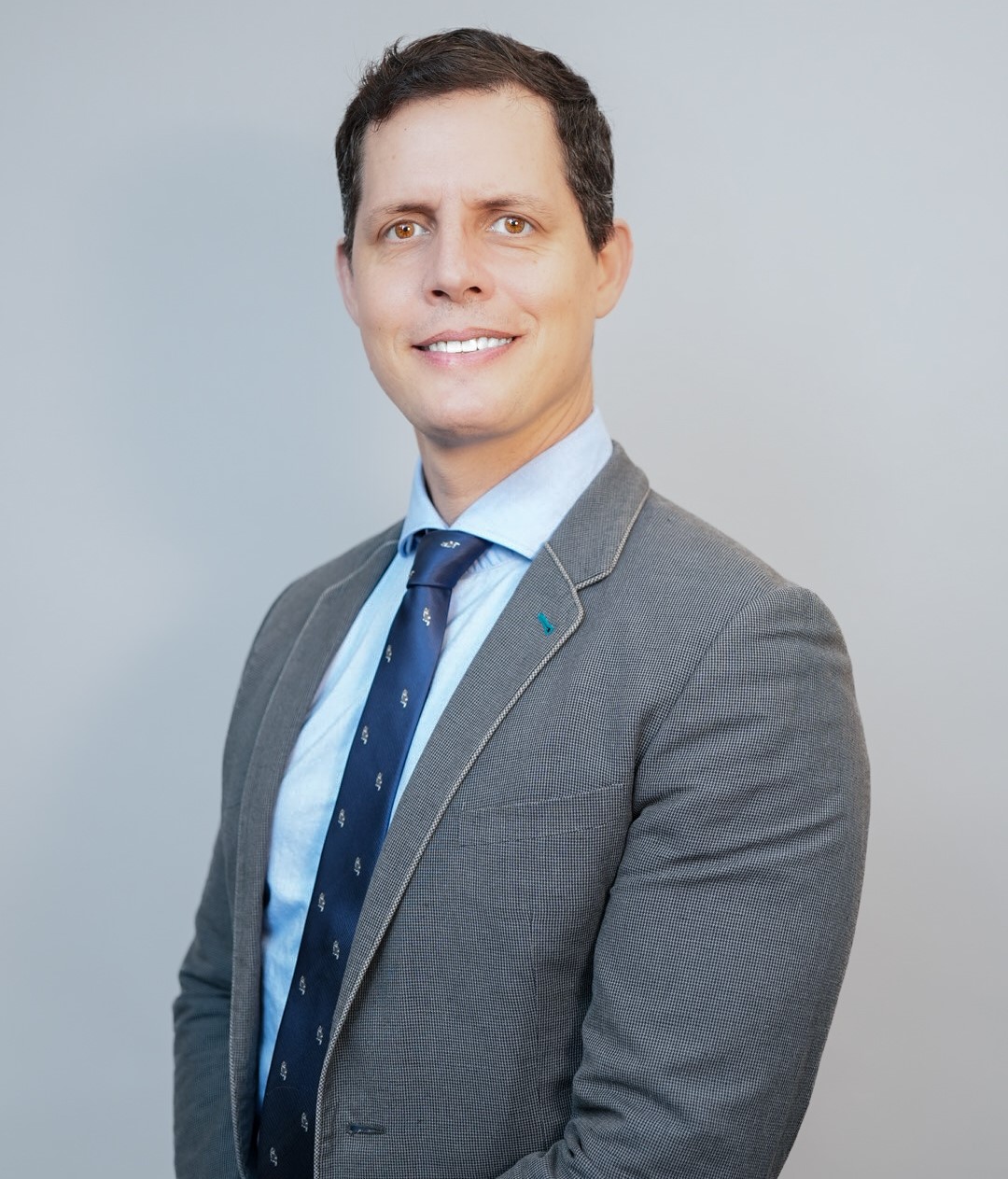
Robert Tomasetti
Postdoctoral Associate
FIU Institute of Environment
Robert Tomasetti is a postdoctoral associate at FIU's Institute of Environment. His research examines why certain seaweeds in Biscayne Bay and South Florida form blooms while others do not, even under similar nutrient and temperature conditions. By tracking carbon, nitrogen, and phosphorus ratios in local seaweeds over time, he studies the environmental factors that drive bloom formation. Tomasetti can discuss the record-breaking Sargassum season, the science behind seasonal blooms, and Florida’s capacity to manage and remove the seaweed from its beaches.
For help, contact:
Christine Fernandez
305-348-9987
chcalvo@fiu.edu
Alain Duran
Assistant Teaching Professor
Institute of Environment
College of Arts, Sciences & Education
Alain Duran is director of FIU’s Coastal Conservation and Restoration Laboratory. His research focuses on coral reef ecology, macroalgae and the ecological processes that shape reef health and resilience. As sargassum blooms continue to increase across South Florida and the Caribbean, Duran can provide insight into how excessive algae affect coral reefs and other coastal ecosystems. Duran can speak to the ecological impacts of sargassum, its interactions with coral reefs and marine life, and what these blooms mean for the long-term health of Florida’s coastal ecosystems.
For help, contact:
Christine Fernandez
305-348-9987
chcalvo@fiu.edu